By day four of this trip my car smelled like sunscreen, bug spray, and salt water, and honestly I wouldn’t have it any other way. I’d set out to hit as many of “Florida’s national parks and seashores” as I could in about ten days, thinking I’d knocked together a pretty solid plan.
If you’re poking around for things to do in Florida’s national parks, I want to walk you through what I actually did, what it actually cost, and what genuinely surprised me — because some of these places blew me away and a couple were just… fine. Both things matter when you’re planning.
10. Big Cypress felt like the Everglades’ quieter cousin
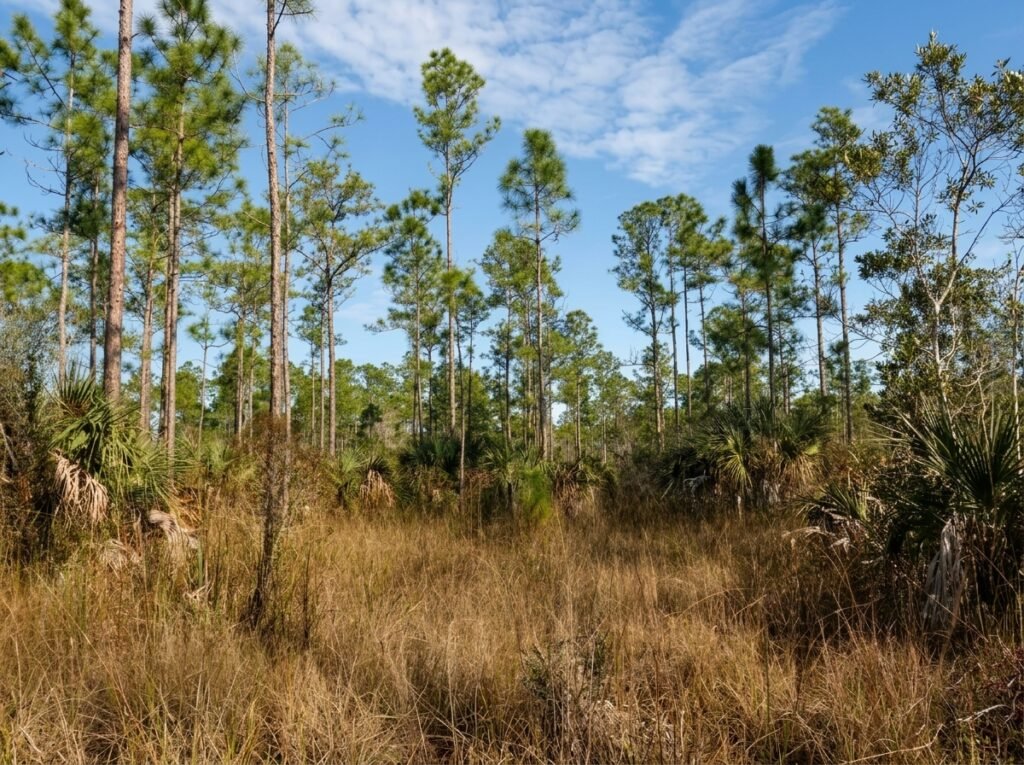
First real stop was “Big Cypress National Preserve“, up near the top of my loop. No entrance fee here, which was a nice surprise right out of the gate.
This place is basically a mini version of the Everglades — wet prairies, mangrove stands, and these incredible groves of bald cypress trees that look almost prehistoric. If you’re into birds, bring binoculars. I’m not even a huge birder and I still found myself stopping every few minutes.
There are two scenic drives here. The 27-mile Loop Road takes you through a forest of dwarf cypress, and the 17-mile loop cuts through grasslands and waterways thick with wading birds. I only had time for one and picked the shorter loop, and honestly I think I made the right call given how slow you end up driving anyway.
A few things to know:
- Alligators show up best between December and May, but I spotted a few even outside that window
- The roads are mostly unpaved gravel, so go slow, your car will thank you
- Camping is available year round if you want to base yourself here for a couple nights
I almost skipped this preserve thinking it would just be “more Everglades.” Glad I didn’t. It’s got its own personality, slower and a little wilder feeling.
9. Canaveral was the seashore I wasn’t expecting much from
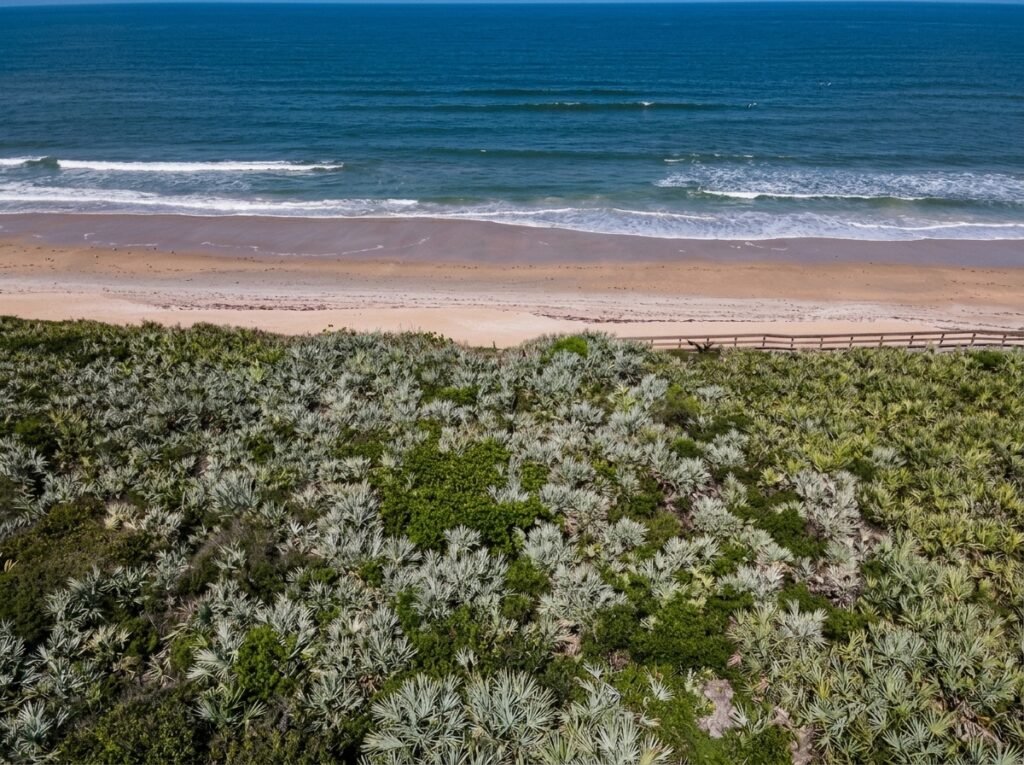
Next up, way over on the east coast, Canaveral National Seashore. And okay — I’ll admit my expectations were low going in. Just another beach, right?
Wrong. This stretch has 24 miles of undeveloped barrier island beach, which is a lot more than it sounds like when you’re standing there looking down the coast and not seeing a single building.
Entrance runs about $10 per vehicle, which felt completely reasonable for a full day of beach and trail access. There’s also a walk-in rate if you’re not driving in, closer to $5 per person, in case that’s more your situation.
“The Black Point Wildlife Drive” is the move here if you want wildlife without a ton of walking. I saw wood storks, roseate spoonbills — which honestly looked almost fake, like someone painted them pink — and a handful of other birds I couldn’t identify even with the little guide pamphlet.
This whole area also overlaps with the Florida scrub-jay’s habitat, and bald eagles show up too, so keep your eyes up as much as out.
8. DeSoto National Memorial was quick, but stuck with me
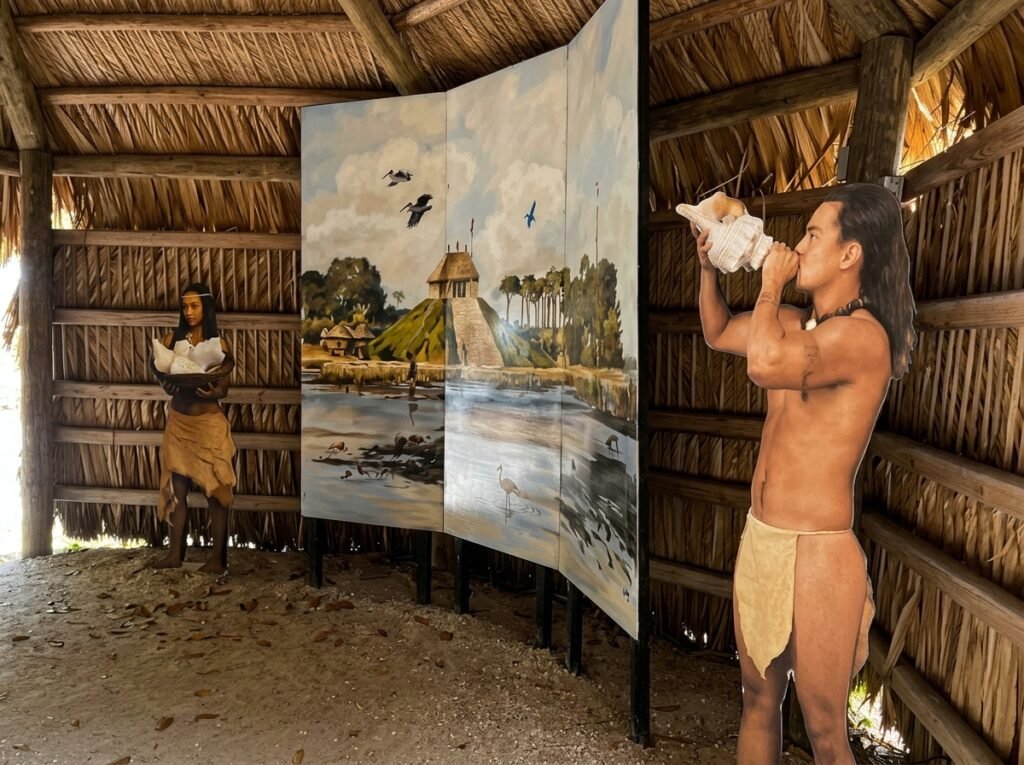
This one’s small. Like, you could do it in under an hour. But there’s something about standing where Hernando de Soto’s expedition landed back in May of 1539 that got me thinking more than I expected.
No entrance fee here either. The whole thing is free, which for a Tampa-area stop felt like a steal.
There’s a living history setup with demonstrations, and walking the short trails along the water gave me a minute to just sit with the history of it. De Soto spent three years wandering the southeast looking for gold, fighting, basically chasing something that never panned out, and he died in May of 1542 without finding it. His group eventually made it to Mexico City without him.
Not a flashy stop. But if you’re already in the Tampa area, it’s worth the short detour, especially since it costs you nothing but time.
7. Castillo de San Marcos made me feel like I’d time traveled
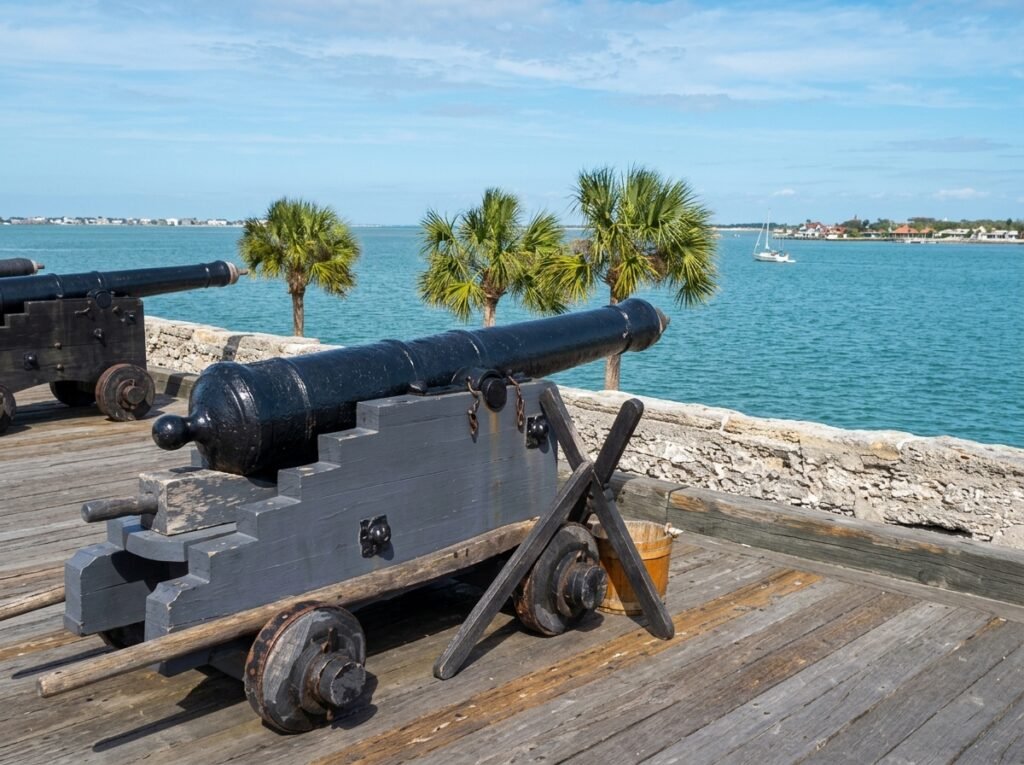
Okay, THIS one. St. Augustine’s Castillo de San Marcos is the oldest masonry fort still standing in the continental US, built back in the 17th century, and it is genuinely impressive in person.
Entrance is $15 per adult right now, and kids 15 and under get in free as long as they’re with an adult. That fee covers you for a full week if you want to come back, which I did not expect but appreciated.
The fort is built from coquina — this weird natural mix of broken shells and sand that, somehow, was incredibly good at absorbing cannonball impacts instead of shattering like regular stone would. I stood there reading about it thinking, wait — that’s how that works? But it’s true. The shells let cannonballs sink in rather than crack the walls apart.
If your timing lines up, there are historic weapon demonstrations and cannon firings. I caught one of these and the sound alone made a few people nearby jump. Worth planning your visit around if you can.
This fort played a real role in defending St. Augustine through multiple wars, and walking the ramparts with the ocean on one side just hits different than reading about it in a book.
6. Fort Matanzas, and the boat situation that almost derailed everything
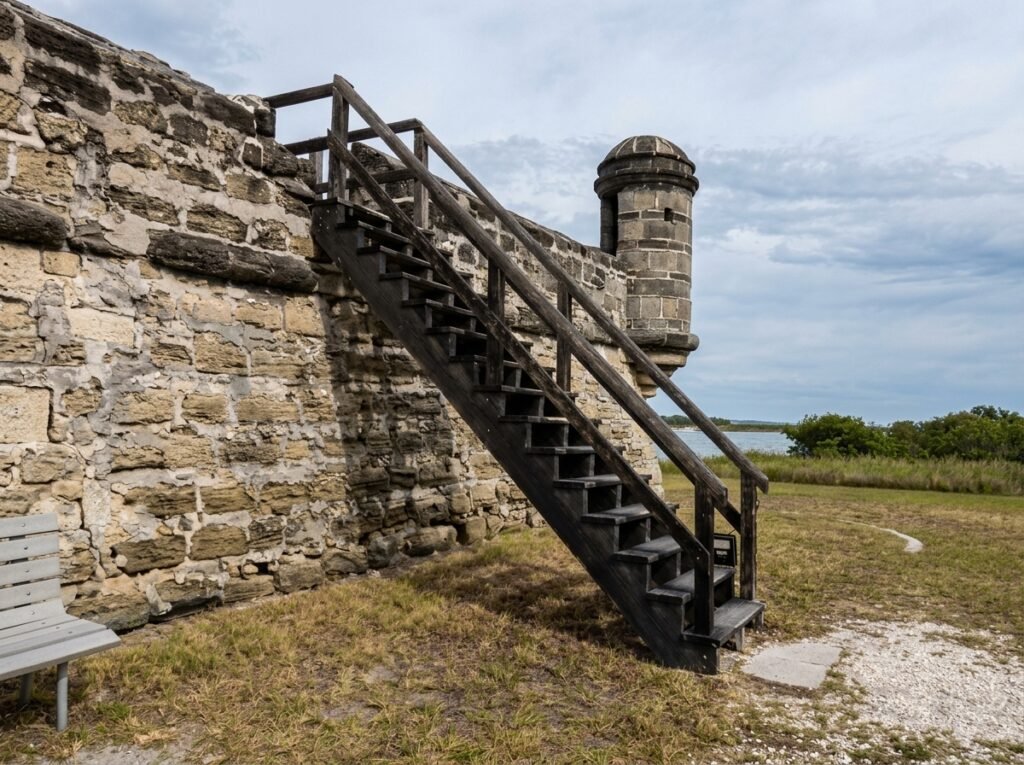
About 14 miles south of St. Augustine sits Fort Matanzas, sister fort to the Castillo and built from that same coquina material back in 1672. This one’s free to enter, which is nice, but here’s the thing — getting there is its own adventure.
The fort sits on an island, and normally a boat ferries visitors across. When I went, recent storm damage had the boat ramp under repair, so tours weren’t running consistently. I’d call ahead or check current alerts before driving out here expecting to actually set foot on the fort itself.
Even without getting across, the visitor center side has hiking, beachcombing, and decent bird watching. Fort Matanzas only saw combat once, back in 1742, but it still stands as this quiet example of just how good the Spanish were at this kind of fortification.
Was I a little bummed I couldn’t tour the fort interior? Yeah, honestly. But the walk along the water made up for some of that.
5. Gulf Islands National Seashore turned into a full day without me planning it
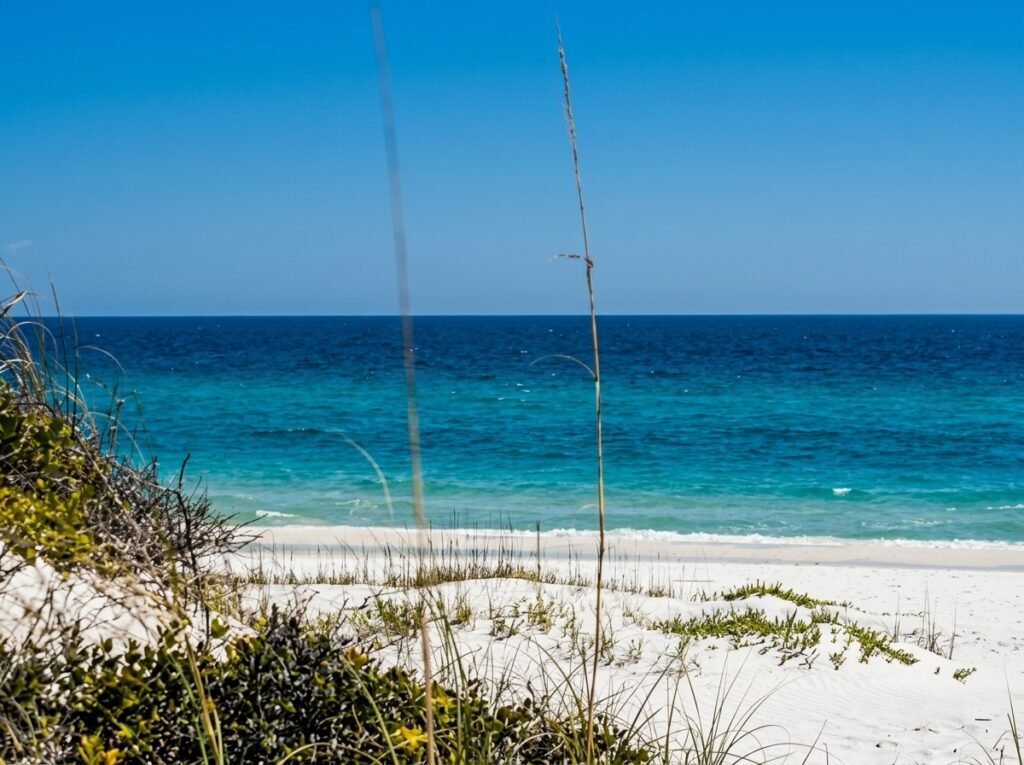
I figured Gulf Islands would be a quick stop. It turned into basically my whole day, and I’m not even mad about it.
This seashore covers 12 different units along the Gulf coast, and the entrance fee — at least for the Fort Pickens and Perdido Key sections — runs about $25 per vehicle for seven days. Some of the smaller units don’t charge anything at all, so it really depends where exactly you go.
The sand here is almost white, powder soft, and the water is that crystal clear turquoise you usually associate with way more tropical places. Swimming, fishing, beachcombing, bird watching — there’s a version of “beach day” here for basically every mood.
Sunset is the real headline though. I sat on the sand watching the sky go through about five different colors and just… didn’t move for a while. There are also several historic forts scattered through the different units plus four visitor centers if you want the history angle alongside the beach angle.
A few things to know:
- Pick your unit ahead of time, the park spans across two states and a lot of distance
- Bring cash or a card for parking fees at some of the smaller lots
- Go for sunset if you only have time for one thing here
4. Dry Tortugas was the most expensive thing I did, and also the most “wow” thing I did
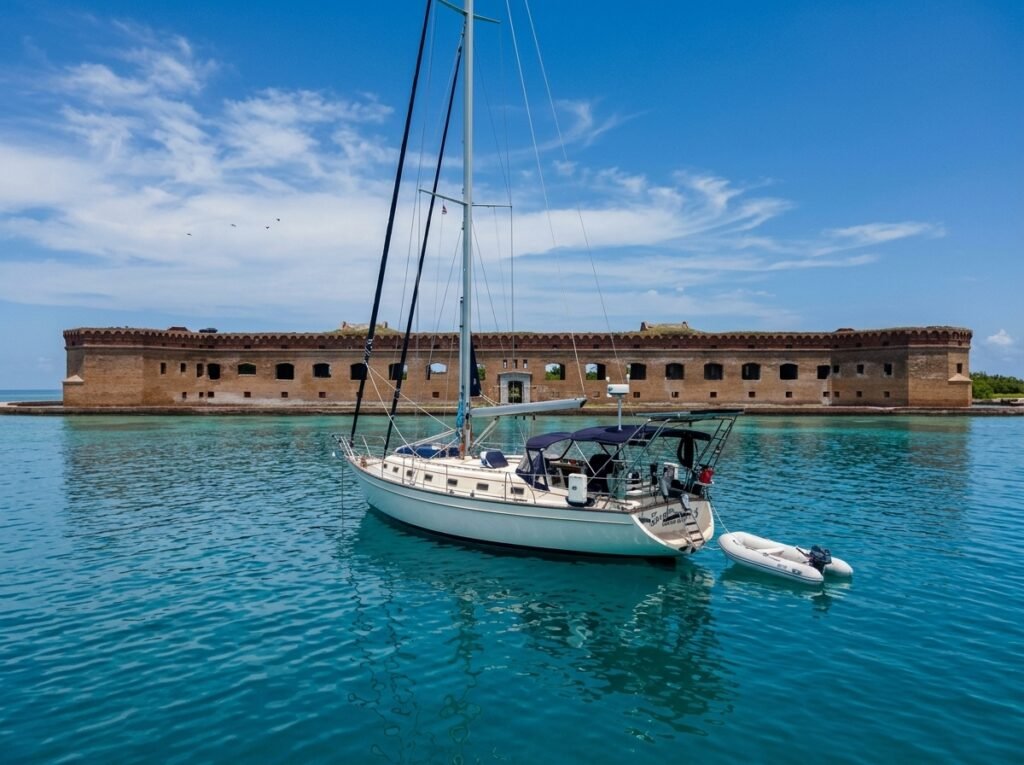
Alright, let’s talk about “Dry Tortugas National Park“, because this is where the budget took a real hit.
This park sits about 70 miles west of Key West, almost entirely underwater — seriously, over 99% of it is water, with just seven small islands of sand and coral poking up. Garden Key is the main one, home to the massive 19th-century Fort Jefferson.
Getting here is the catch. The ferry option — Yankee Freedom — runs around $235 per adult, plus a separate $15 park entrance fee on top of that. So really you’re looking at roughly $250 per person for the day trip, and that’s the cheap way to do it. The seaplane option is a different league entirely, starting around $500 and climbing toward $900 depending on the trip length.
I did the ferry. It’s a 2.5 hour ride each way, so your day basically becomes 5 hours of boat and about 4 hours on the island. Worth it? I keep going back and forth. The water out there really is that impossible blue-green color, the coral and marine life are legit, and Fort Jefferson itself is massive and kind of surreal in the middle of nowhere like that.
One heads up — the moat that usually circles the fort has been closed since some recent storm damage, so you can’t do that full walk-around right now. Didn’t ruin the trip, but it’s one less thing to do once you’re there.
Bookings fill up fast, like months in advance fast, so if this is on your list, don’t wait until the week before.
3. Biscayne National Park is basically Miami’s water playground
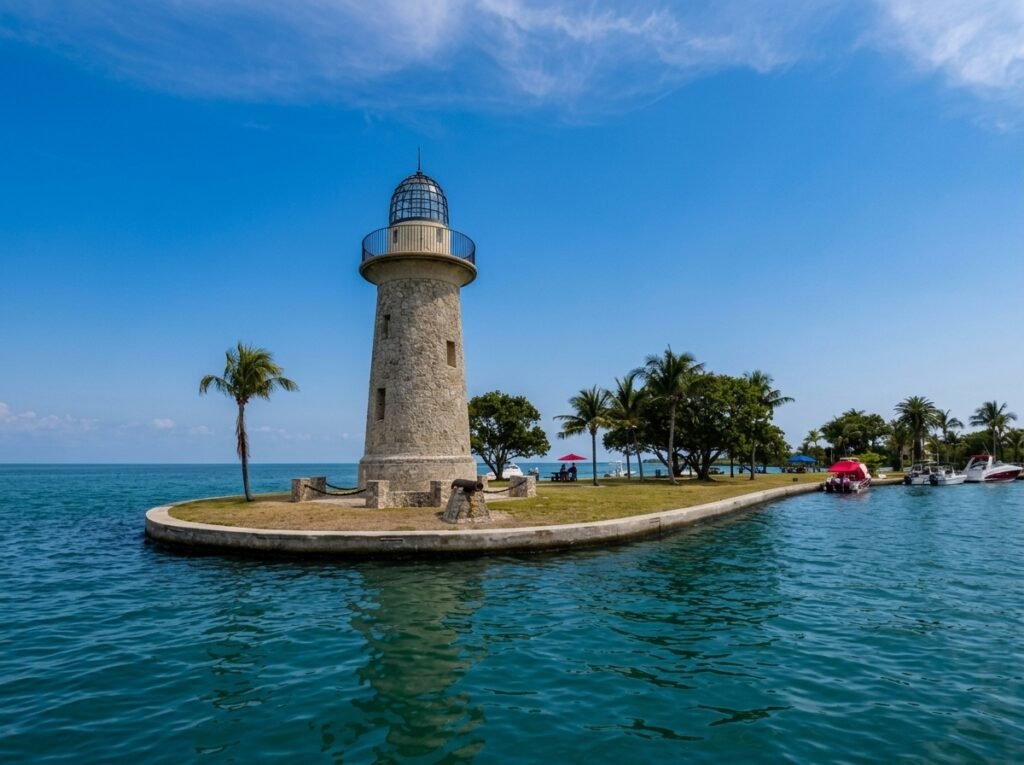
Just 20 miles south of Miami, Biscayne National Park is open year round and there’s no entrance fee to get into the park itself — though boat tours, kayak rentals, and guided programs all come with their own separate costs depending on the operator.
This park is almost entirely water-based. Scuba diving, snorkeling, kayaking, swimming, boat tours — if it happens in or on water, you can probably do it here.
But land lovers aren’t left out either. There’s a short boardwalk along the shore that gives you a peek at the marine life without getting wet, plus grounds for fishing or a picnic with a water view. The ranger-led programs are genuinely good — I picked up a few facts about the bay’s ecosystem I had no idea about going in.
On weekends, rangers sometimes run guided hikes out on Elliott Key or paddling trips along the shore. I missed this by one day and was honestly disappointed, so check the schedule before you go if that interests you.
2. Timucuan Preserve gave me more history than I expected from a “preserve”
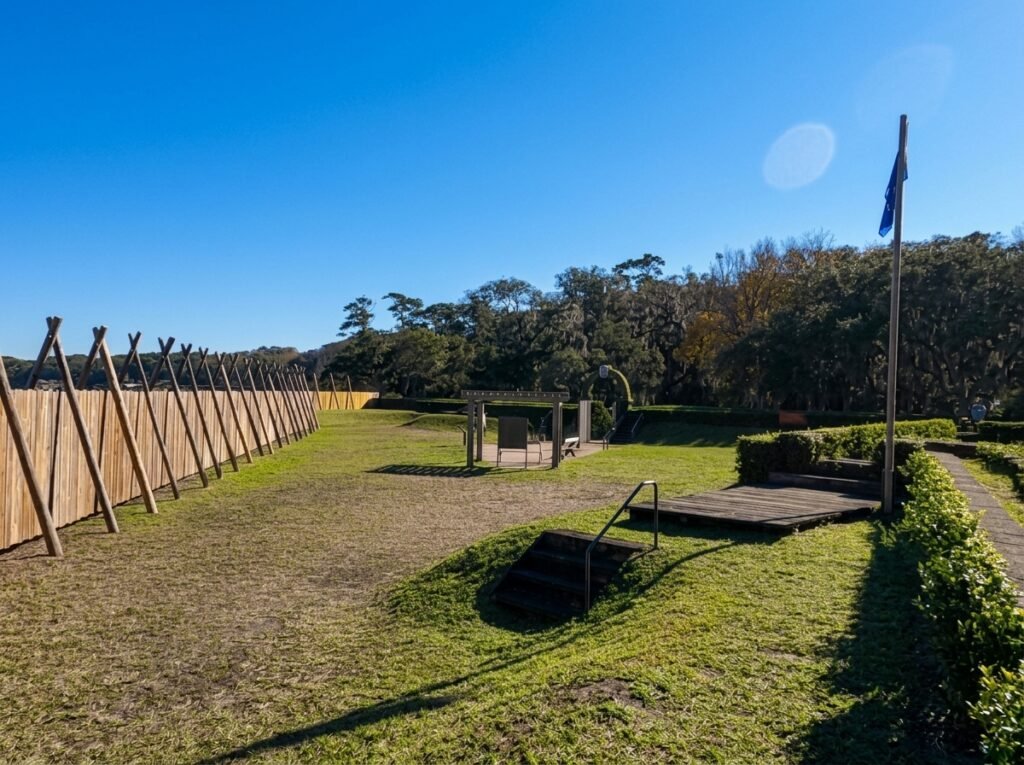
Timucuan Ecological and Historic Preserve does a lot with a little. Hiking, kayaking, bird watching — sure, all the usual stuff. But the visitor center is really where this place earns its name, walking you through the area’s history from the Timucua people all the way to today.
No entrance fee here either, which made it an easy add to the day.
I hiked through pine flatwoods, hardwood hammocks, and marshy wetlands in the Theodore Roosevelt area, and the terrain changes enough that it never feels repetitive.
The real highlight though is Kingsley Plantation. This is the oldest surviving plantation house in Florida, dating back to 1798, and walking through the grounds — the slave cabins, the barn, the kitchen, the gardens — is heavy in a way I didn’t fully prepare for.
The history of Sea Island cotton and the enslaved workers who harvested it is laid out honestly here, not glossed over, and I think that matters.
This stop wasn’t “fun” in the typical sense. But it was one of the most important parts of the whole trip for me.
1. Everglades National Park, the big one, saved for last
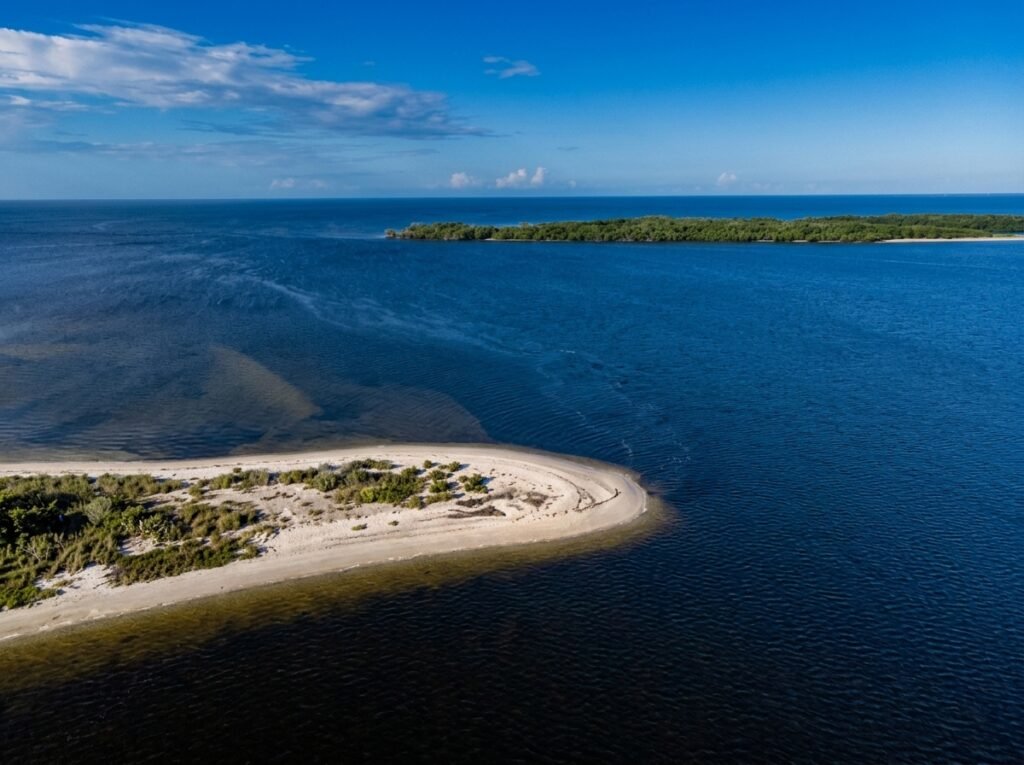
And then there’s “Everglades National Park“. Over 1.5 million acres, one of the largest parks in the entire country, and it absolutely lives up to that scale.
Current entrance fee is $35 per vehicle for a seven-day pass — that’s gone up a bit from a few years back, but it covers entry through any of the park’s entrances for the whole week, so if you’re spreading your visit across multiple days it evens out.
Wildlife viewing, hiking, boat tours, tram tours, bird watching — the list goes on. Florida Bay and the Ten Thousand Islands area make up roughly a third of the park’s total acreage, and if you’re into kayaking or canoeing, there’s mile after mile of water out there to explore.
I’d been warned the Florida panther is basically a “if you see one, you’re incredibly lucky” situation, and yep — didn’t see one. Did see plenty of alligators, though, way more casually close to the boardwalks than I expected. One was just… right there. Like ten feet from the trail. Nobody else seemed bothered, so I tried to act normal too.
This park has been named a World Heritage Site, an International Biosphere Reserve, and a Wetland of International Importance, and standing out on one of the boardwalks at golden hour, watching the grass go on forever in every direction, it’s pretty easy to see why all three of those titles apply at once.
By the time I got back to the car after that last walk, the sun was almost gone and the bugs were starting to find me.


One Response