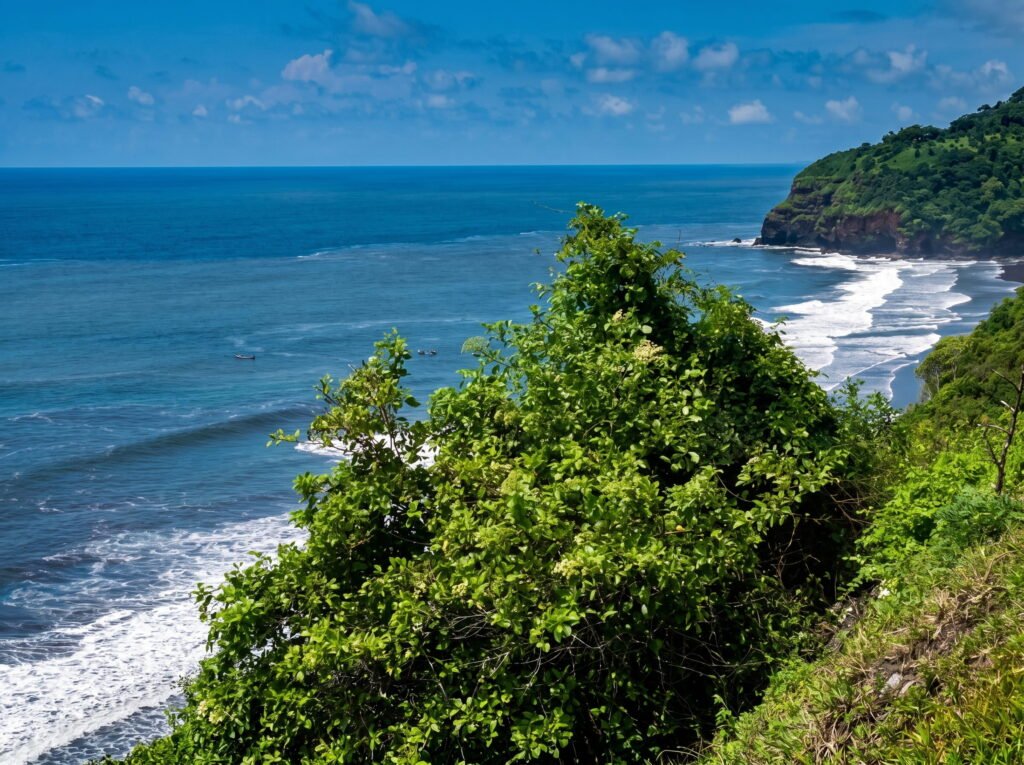
I had absolutely no idea El Salvador would impress me so much. I came here thinking it would just be another surf spot in Central America, with cheap drinks, good waves, and then I’d move on. But when I arrived, I discovered a coastline that was incredibly diverse, beautiful, and fascinating.
Some beaches here are quite famous and crowded, while others are so peaceful that you can enjoy the entire shoreline almost entirely to yourself. Some beaches are especially great for surfers, while others are perfect for families, offering calm waters and shaded spots.
This guide includes all the beaches in El Salvador that are worth visiting. So let’s explore El Salvador’s 14 beaches one by one.
Best Beaches in El Salvador at a Glance
🐚 El Tunco
🐚 El Sunzal (Playa El Sunzal)
🐚 El Zonte
🐚 Punta Roca
🐚 Playa Las Flores
🐚 Playa El Palmarcito
El Tunco
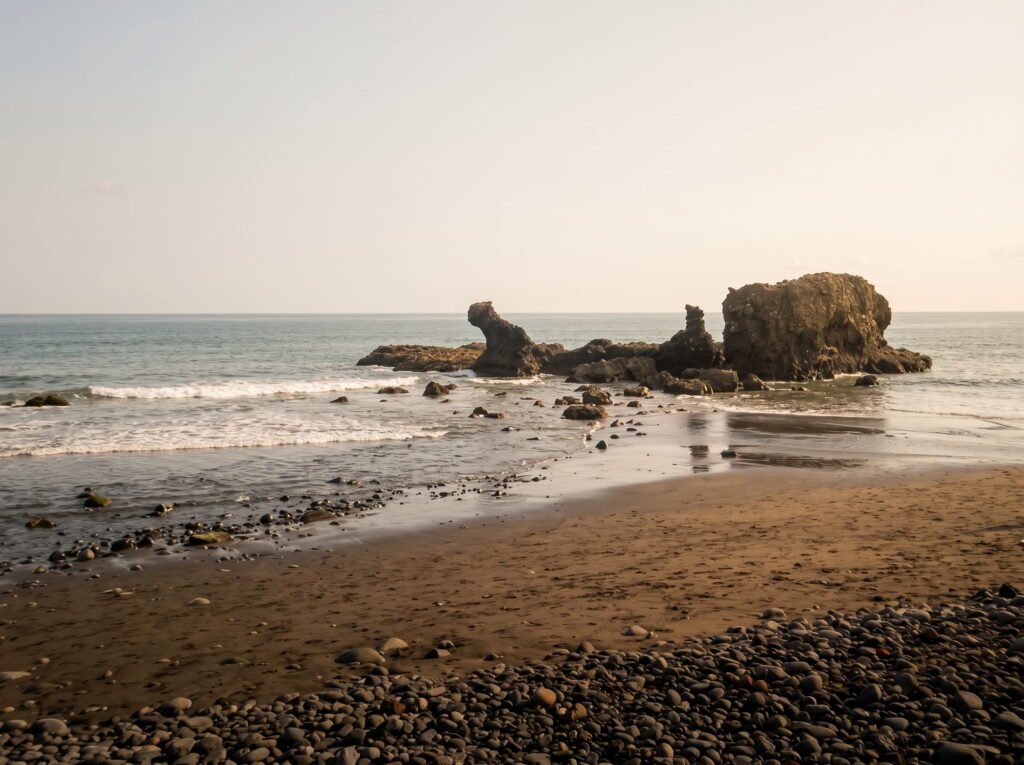
This beach consists of dark-colored sand, where black volcanic sand and smooth stones create a beautiful scene. At one end of the shore, a large, unique rock rises from the sea, and the city is named after that rock. When the sea recedes, you can walk on the rocks to the caves that open along the cliffs. Some of these caves are so large that you can easily walk inside them. When sunlight streams into these caves, the view is truly beautiful.
This place is also very famous for surfing. The surf break on the right side of the bay generates powerful, consistent waves, which attracts surfers from Central America and other regions. However, it is not very suitable for beginners because the rocks make surfing more difficult when the waves are high. But if you’re good at surfing, you’ll definitely enjoy the waves here.
Outside the water, El Tunco is considered the nightlife hub of this coastal area. Here you can enjoy bars, restaurants, hammocks, live music, and bonfire nights on the beach. If you like entertainment and nighttime activities, you’ll definitely love this place.
El Sunzal (Playa El Sunzal)
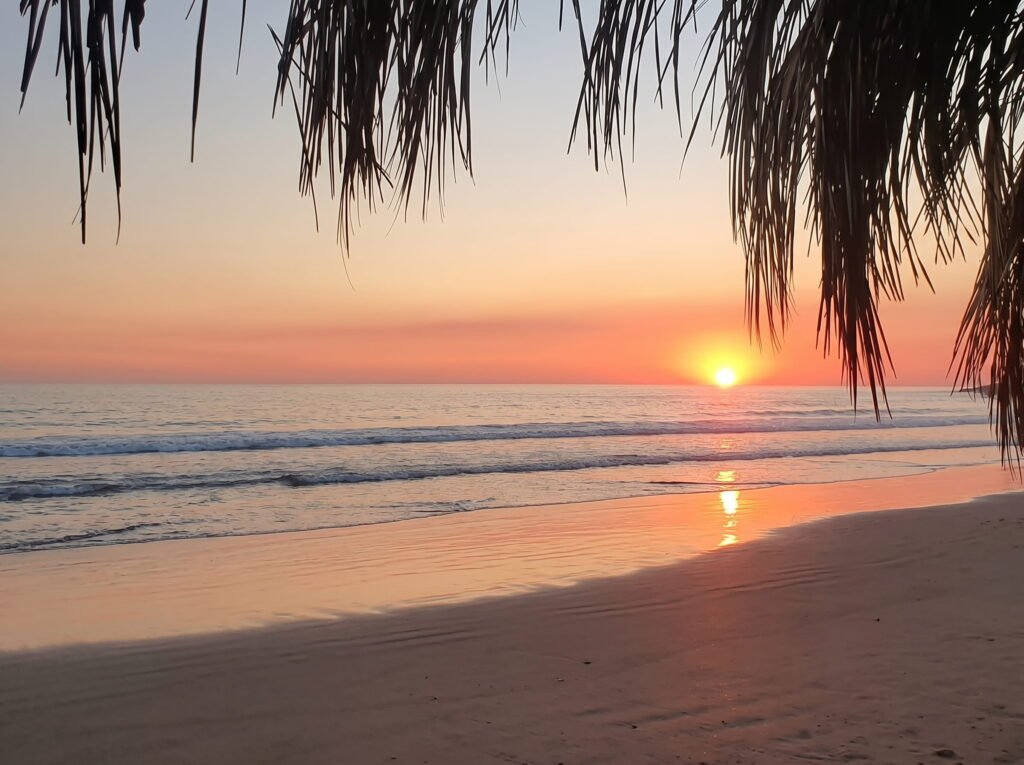
El Sunzal is located just a few kilometers from El Tunco, and both are part of the same coastal area, but the atmosphere here feels quite different. The sand on this beach is softer, there are fewer rocks, and the shore appears cleaner and more spacious.
El Sunzal is famous for its excellent surfing. Long, clean waves form continuously here, offering experienced surfers long and enjoyable rides. El Sunzal is part of El Salvador’s Surf City project, and international competitions like the ISA World Surfing Games are also held here. If you’re interested in surfing, this name will certainly be familiar to you.
The water at this beach is much cleaner and clearer than at other beaches in the area. On good days, snorkelers can see fish and some coral right from the surface. There are also paddleboarding and kayaking facilities, especially in areas where the water is relatively calm.
The town has a lovely beachside café culture that feels more relaxed compared to El Tunco’s bustling nightlife. You can sit at a restaurant along the shore, take in the ocean view, and spend hours watching surfers ride the waves. It’s a perfect spot for a leisurely afternoon.
El Zonte
El Zonte is one of my favorite spots on El Salvador’s coast, and it’s not hard to see why.
It’s located a few kilometers north of El Tunco, so you can easily make a day trip between the two places. But the atmosphere here is completely different. Although surfing is popular here too, it doesn’t dominate the entire area. The town is small, retains its local identity, and the pace of life feels quite relaxed.
El Zonte is divided into two parts by a small river that flows into the sea. On one side is the surfing area where some of the most powerful waves on this stretch of coast form. It’s mostly a reef break with a rocky shore, making it suitable for experienced surfers. Even if you don’t surf, watching those big waves from the beach is an exciting experience in itself.
On the other side of the river, the water becomes quite calm and there is a small sandy beach that is considered more suitable for swimming and relaxing.
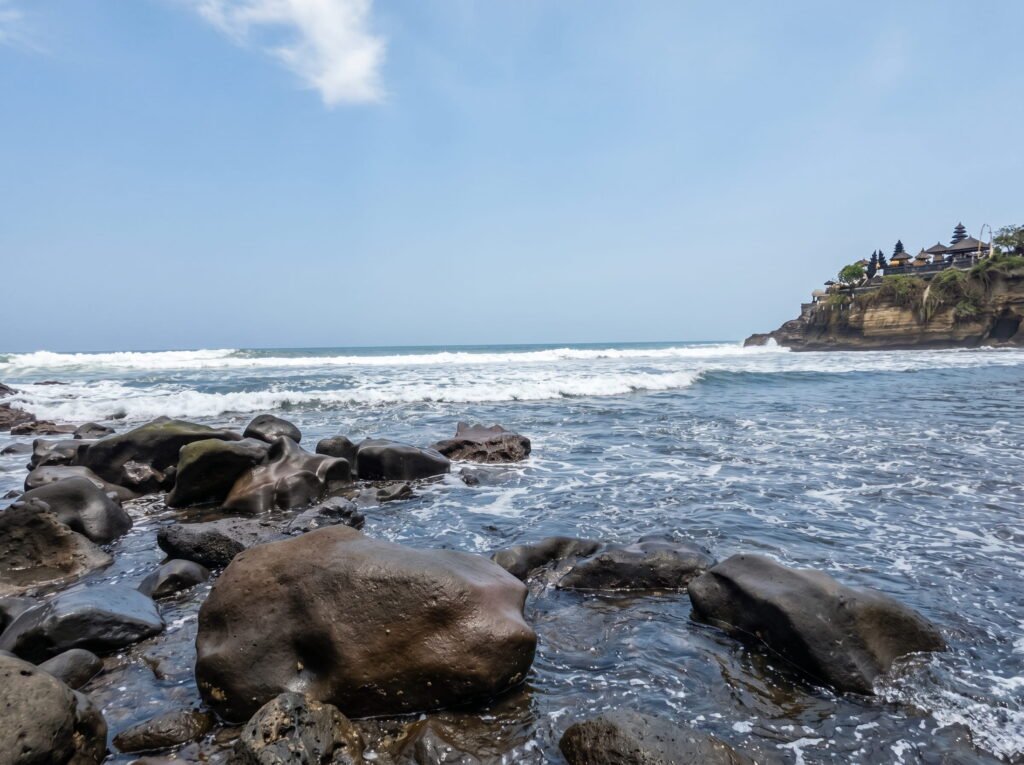
The atmosphere here is very peaceful and relaxing. Hammocks strung between palm trees, open-air restaurants and bars by the sea, and people who might have come for just a few days but ended up staying for weeks—all of this makes the place special.
El Zonte, El Salvador is also quite famous for its use of Bitcoin. It was one of the first places where local businesses adopted Bitcoin as a form of payment. Here, if you wish, you can pay for dinner, a surf lesson, or a bar tab in Bitcoin.
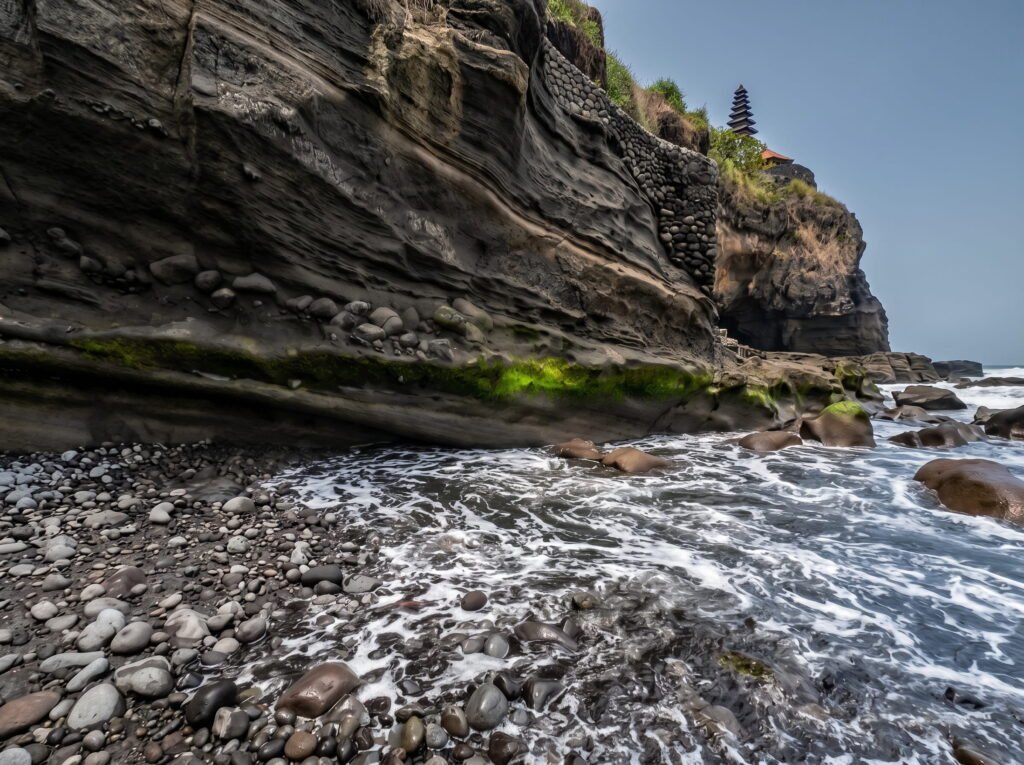
The sunsets here are also incredibly beautiful. In the evening, find a nice spot, sit on the beach, and watch the changing colors of the sky. It’s a sight that makes you lose track of time.
Punta Roca
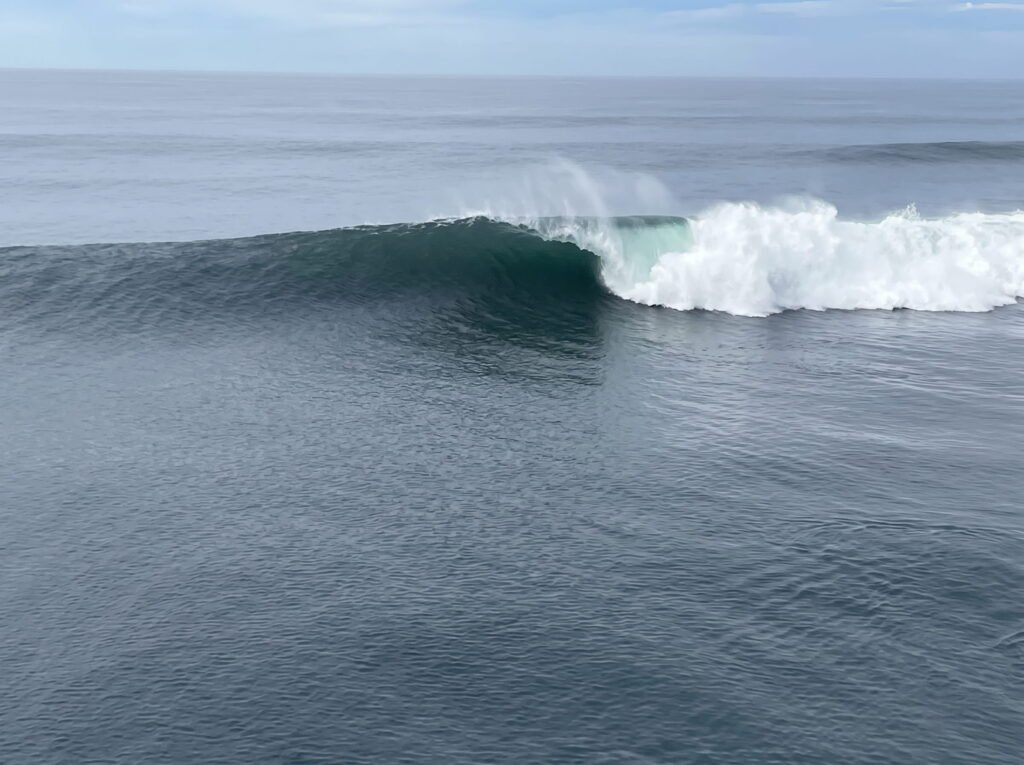
Punta Roca is one of El Salvador’s most famous surfing spots and is considered one of the best right-hand point breaks in all of Central America.
It is located in La Libertad, the main port city of this coastal region. If you’re looking for a beach just to relax or swim, this spot isn’t really suitable for that. Punta Roca is primarily famous for surfing.
The waves here are powerful, long, and break over a rocky shore, making it ideal for experienced surfers. However, for those who don’t properly gauge their strength, these waves can prove quite challenging.
Every year, international surfing competitions are held here. The Central American and Caribbean Games have also been hosted here, and the ISA World Surfing Games have taken place at this famous break. This is why Punta Roca is regarded as a major destination for serious, professional surfing.
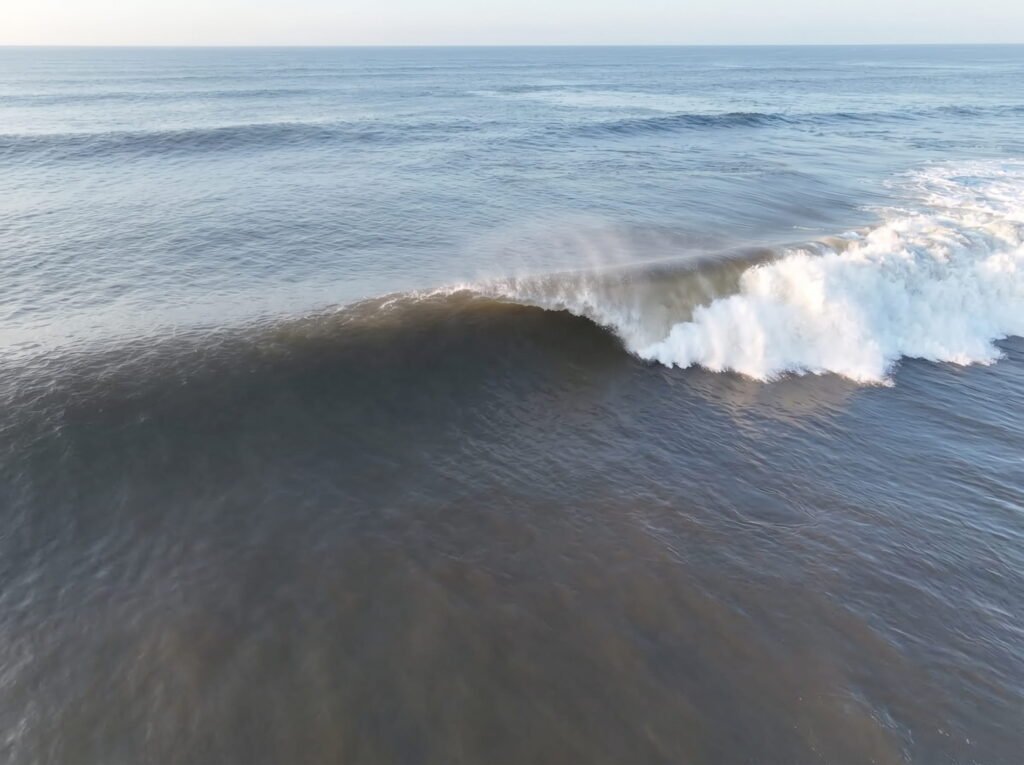
Even if you don’t surf, Punta Roca is still a place worth visiting. The skill of the surfers you see in the water here every day is truly impressive. You can sit on the rocks in a nice spot or choose a restaurant with a clear view of the waves and spend some time watching surfers showcase their skills.
La Libertad itself is a busy port city famous for its fresh seafood. Its fish market is very popular with locals and much cheaper than the beachfront tourist restaurants. If you want to enjoy delicious, fresh seafood on a budget, this market is definitely worth visiting.
The atmosphere here fully reflects the local way of life, making this place ideal not only for surfing but also for experiencing the local culture and cuisine.
Playa El Cuco
El Cuco is located on El Salvador’s eastern coast. Although it requires a relatively long journey from the capital to get here, if you have the time, it’s a trip you should definitely take. The peaceful atmosphere, fewer crowds, beautiful beaches, and fresh seafood make this place special. That’s why El Cuco is an excellent choice for travelers seeking a more relaxed and authentic beach experience away from the popular tourist spots.
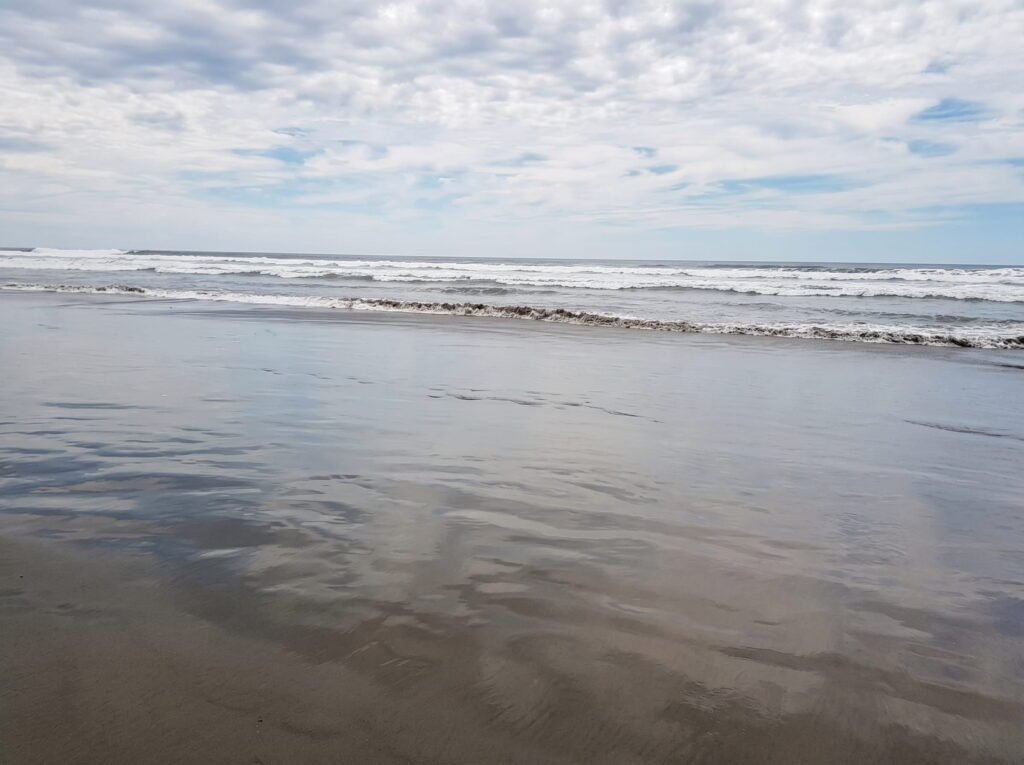
This beach is wide, sandy, and peaceful. In fact, its most distinctive feature is this tranquility. Unlike the powerful Pacific waves of the western coast, El Cuco faces the Gulf of Fonseca, which keeps the water here quite calm and gentle. You can swim here comfortably without having to battle the waves. The sand is soft and the beach stretches for a long way in both directions, so even on busy days you can easily find a spot of your choice.
Behind the beach is a row of local restaurants serving fresh seafood. Grilled fish, shrimp plates, and ceviche are the popular dishes here. Sitting by the sea and enjoying fresh seafood in the cool breeze is truly a memorable experience.
El Cuco is more peaceful and less developed compared to the famous beaches of the western coast. Facilities here may be limited, but in return there are fewer crowds and the local atmosphere feels more authentic. This place attracts mostly Salvadoran families rather than international backpackers, giving it a genuine, local beach life feel.
Playa Las Flores
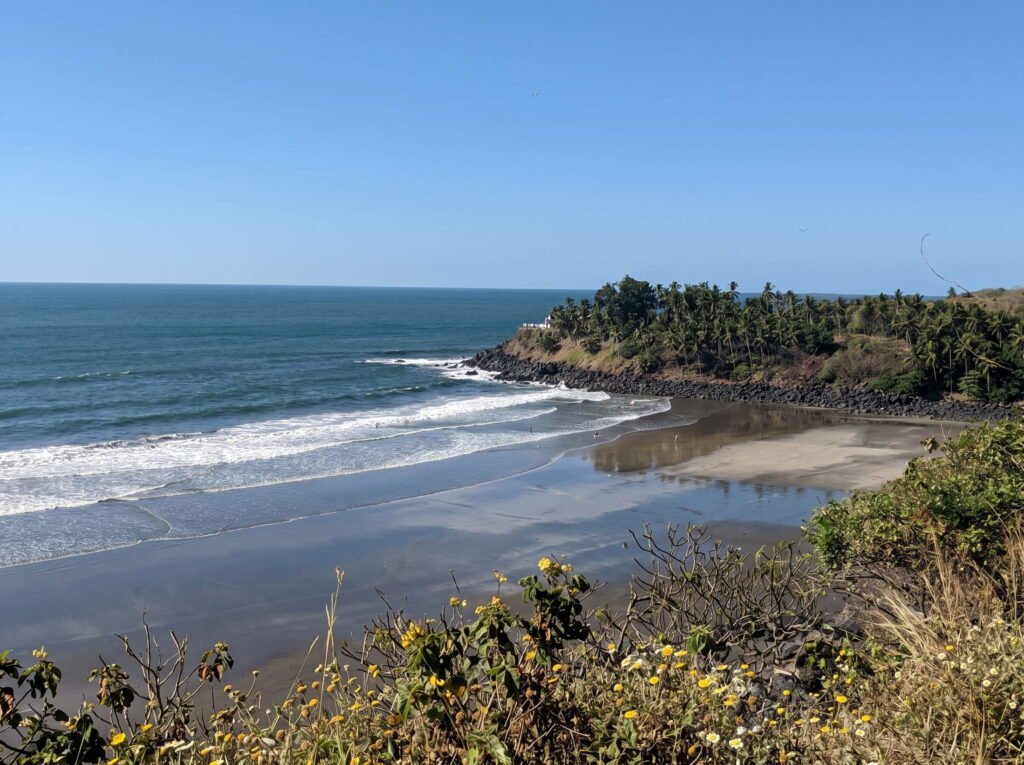
Las Flores, located right next to El Cuco on the eastern coast, has its own distinct identity because its surfing is unlike any of the spots mentioned so far.
Las Flores’s point break is extremely famous. Here, the waves break in almost the same spot every time. It’s a long, powerful right-hand wave that comes straight at the shore from the open Pacific Ocean with full force. Many surfers come to Las Flores specifically for this wave. Because it takes more time and effort to reach the east coast, it’s less crowded here than on the west coast, and there are fewer surfers in the water.
The beach consists of black sand and is surrounded by tall cliffs that provide shade in the afternoon and create a beautiful seaside scene. Behind the beach lies dense, lush tropical vegetation. This area feels different from the western coast—more remote, less developed, and more natural.
If you’ve been to El Tunco and El Sunzal and are looking for a more peaceful spot with waves of the same quality, Las Flores is the best choice.
Read: Things to know before visit Russia
Costa del Sol
Costa del Sol is El Salvador’s most famous and most family-friendly beach. This 15-kilometer-long shoreline is located on a narrow peninsula and can be easily reached from the capital in about an hour’s drive, which is why it’s often very crowded. Especially during Semana Santa (Holy Week), this beach fills up completely and takes on a festival-like atmosphere that, although crowded, is truly an exciting experience to be part of.
The water here is calmer than at other open surf beaches. The waves are gentler, making swimming easier and safer for children. Along the beach you’ll find amenities like resorts, restaurants, water sports rentals, kayaks, and paddleboards.
Costa del Sol isn’t for a quiet, peaceful vacation. It’s the place where you can easily get the full beach experience — sun, sand, amenities, and spending the entire day without any effort. This place does it very well.
Playa Los Cobanos
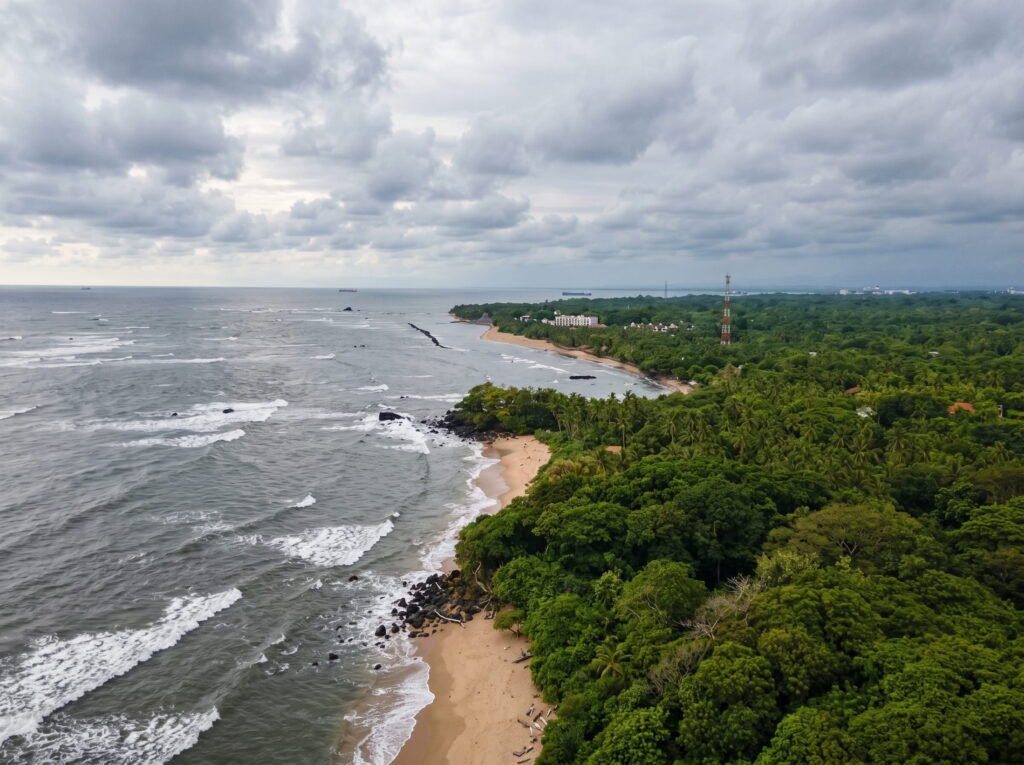
Los Cobanos is completely different from all other places in this coastal area, and the main reason is the underwater world.
This beach is located in the Sonsonate region of the country and serves as the main access point to El Salvador’s coral reef, which is the longest reef on the entire Pacific coast of Central America, stretching approximately 150 kilometers. You don’t come here to surf, but to see the natural underwater scenery.
Through guided snorkeling tours, you can reach the reef where you can see various types of coral, colorful fish, and, if you’re lucky, sea turtles. In certain seasons, dolphins can even be spotted from the water’s surface. For scuba diving, there are also regular diving operations here that take you into deeper waters. In the early months of the year, there’s also the chance to watch whales.
The beach itself consists of black volcanic sand, and the water is quite calm, making it ideal for a leisurely swim. The small village behind it is a simple, authentic fishing community that has embraced eco-tourism without losing its original identity. Community-run eco-projects are also in place, and the seafood served in local restaurants is extremely fresh.
Barra de Santiago
This is a protected wetland located on a long, narrow peninsula in the Ahuachapán region, in the country’s far western corner. The coastline facing the sea is long, natural, and mostly deserted—one of El Salvador’s most remote beaches.
But the real reason to come here is the view on the other side of the peninsula: a vast mangrove swamp where the river, estuary, and sea meet to create a unique natural landscape.
Boat tours through the mangroves take you into a network of water and roots teeming with birds. Alligators also inhabit these channels. Dozens of bird species build nests in the trees. The water is completely calm, and at dusk the light turns everything golden—a feeling that’s hard to put into words—it can only be felt.
The calm water toward the estuary is perfect for kayaking and paddleboarding, where you don’t have to deal with waves. The entire area has a natural silence that truly feels remote, even though it’s accessible by road.
Playa Mizata
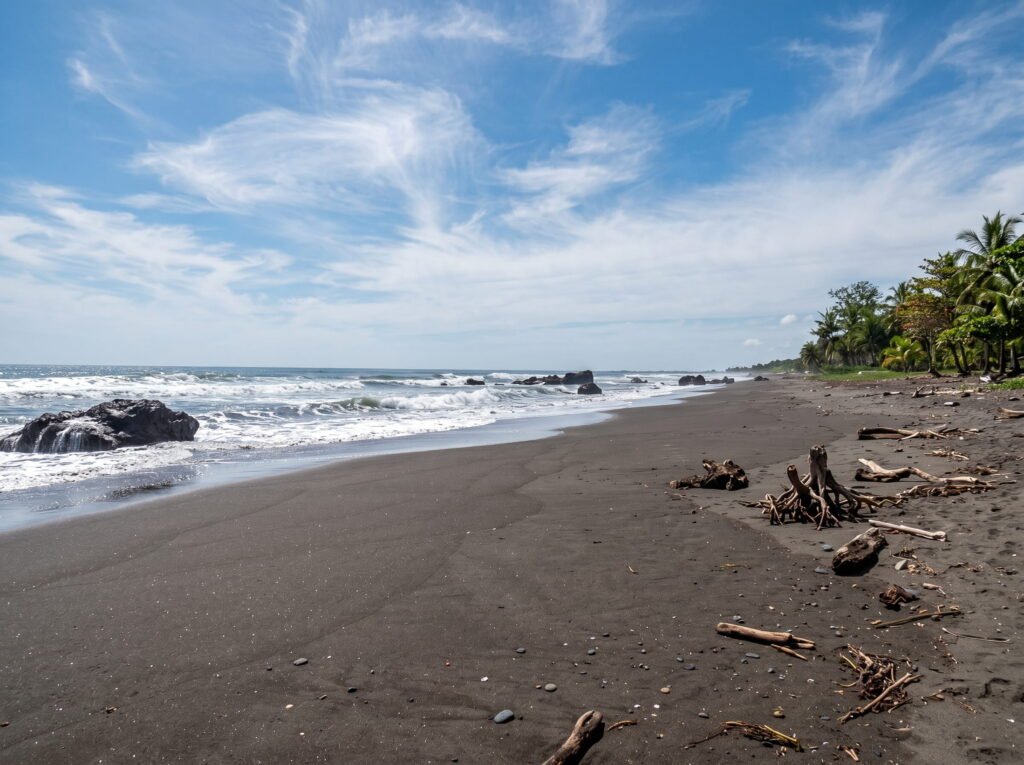
Mizata is the beach I’d send anyone to who’s looking for El Salvador’s most uncrowded, authentic surf experience. It’s located on the coastal highway between Los Cobanos and El Zonte—at kilometer 86 of Carretera Litoral—and a river mouth here divides the beach into two completely different experiences. On the surf side there’s a rocky point break where consistent, powerful waves break year-round—enough for experienced surfers but not drawing crowds the way spots like El Tunco and El Sunzal do.
The waves here are often bigger than at other spots, especially when the swell is low elsewhere. On the other side of the river mouth is a wide, calm, sandy beach that’s fully swimmable and remains in its natural state with no development.
At low tide, the beach expands even further, stretching out to a rocky cliff in the distance. As you walk along the sand, on one side are tide pools teeming with starfish and small marine life, and on the other, the open ocean—a simple experience that lingers in your memory. Mizata isn’t for those who feel they have to be doing something all the time. It’s for those who understand that sometimes the beach is enough.
There are only a few restaurants here, some small surf houses and boutique hotels, and not much else. And that’s its true beauty.
El Espino
El Espino is located on the eastern coast and is one of El Salvador’s longest continuous beaches—here you’ll find over 10 kilometers of uninterrupted shoreline.
The waves here are gentle and the water is warm, making it perfect for leisurely swimming and sunbathing without having to face rough surfing waves. The beach is wide and the sand is golden, which feels quite different from the black volcanic sand of the western coast.
Since El Espino is farther east and less developed, it remains relatively uncrowded even on weekdays. The sunsets here are very long and spectacular—you’re looking west toward the open ocean, and the sky truly puts on a beautiful show.
The local restaurants along the shore serve fresh seafood and cold drinks. The pace of life here is very slow and relaxed. There’s no rush. El Espino is the place where you stop being a tourist and simply decide to spend a few days in a beautiful spot.
Playa San Diego
San Diego is a long, sandy beach located near La Libertad and overshadowed by more famous surf spots — and that’s actually to its advantage.
The waves here are gentler than those at Punta Roca or El Sunzal, making it ideal for beginner surfers who want to learn without harsh reef conditions. There are surf schools here, and the conditions are so forgiving that you can actually learn something, not just survive.
For those who don’t surf, San Diego is also a peaceful and comfortable alternative. It offers wide sandy beaches, relatively calm water for swimming, local food options, and none of the party atmosphere of El Tunco. This place is perfect for those who want to stay close to activities but not in the middle of the crowd.
Playa El Majahual
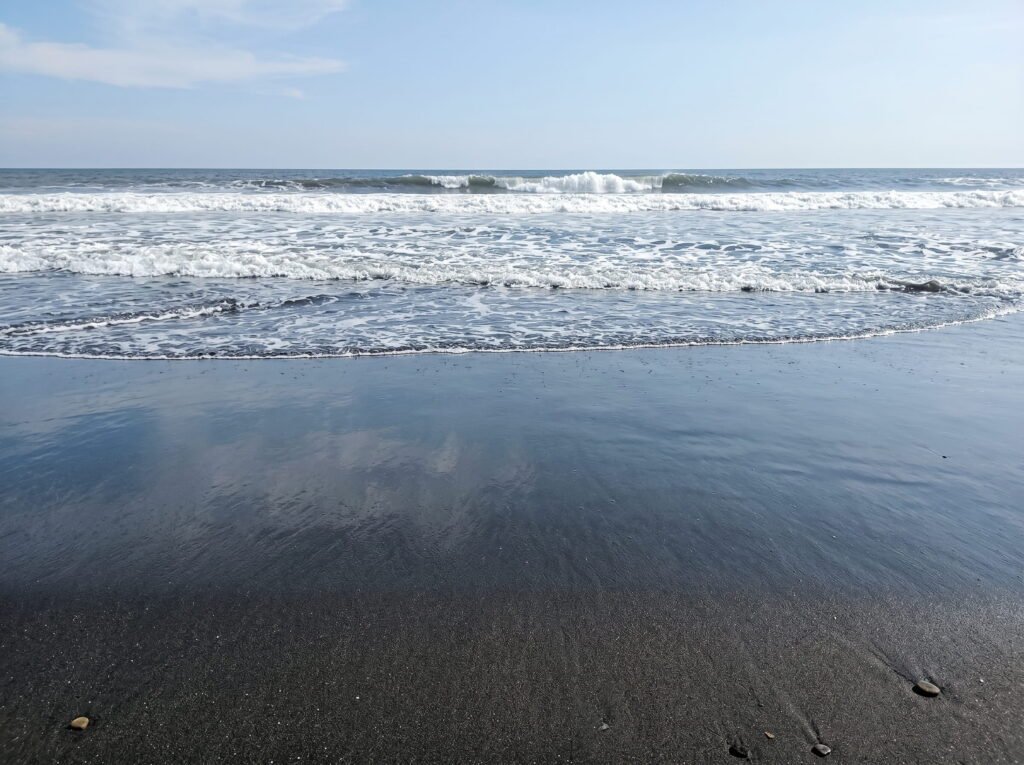
El Majahual is located very close to La Libertad, and because of its proximity to the capital and surrounding cities, it is one of the country’s most active and frequently visited beaches.
It’s a lively, bustling beach where you can truly catch a glimpse of local life — on weekdays, large numbers of Salvadorans come here, which means the food stalls are excellent, the atmosphere feels festive, and the beach has an energy you won’t find in more remote spots.
Behind the beach there are pupuserías, seafood stalls, and drink vendors. Surfing here is relatively good and suitable for beginners, with easier conditions than at Punta Roca. The water is warm and also suitable for swimming. Although it’s not the cleanest or most pristine part of the coastline because it sees more foot traffic, El Majahual’s true beauty lies in its local, authentic atmosphere, which you won’t find in more tourist-driven spots.
Playa El Palmarcito
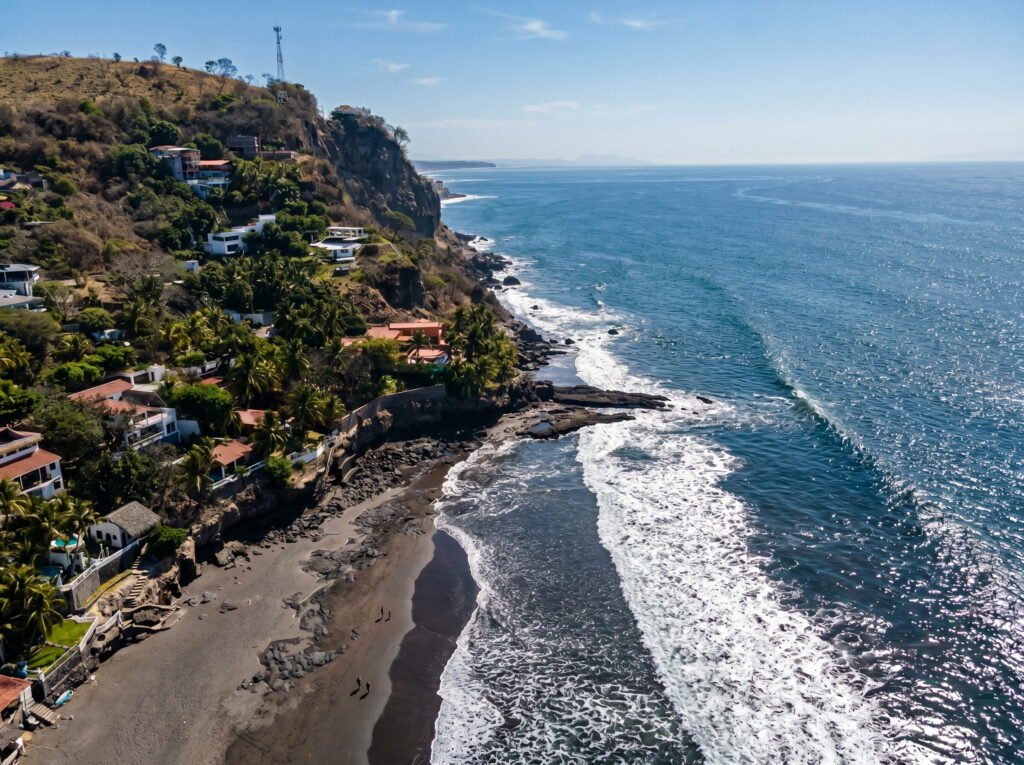
El Palmarcito is a small, peaceful beach located between La Libertad and El Tunco, and most visitors pass it by without noticing.
There’s a gentle, consistent beach break here that’s perfect for beginner and intermediate surfers. Surf schools operate here, and the water is much easier and more manageable compared to the heavy waves of El Tunco and El Sunzal. The beach is small—not very wide, but it feels intimate and private—and there are only a few restaurants and lodging options, which keeps it from becoming too commercial.
What makes El Palmarcito special is that it still feels somewhat undiscovered. Most of the visitors here are local surfers, surf students, and travelers who already know about the place. It hasn’t yet been fully commercialized, and that’s clearly evident in its atmosphere.
Relatd

6 Responses