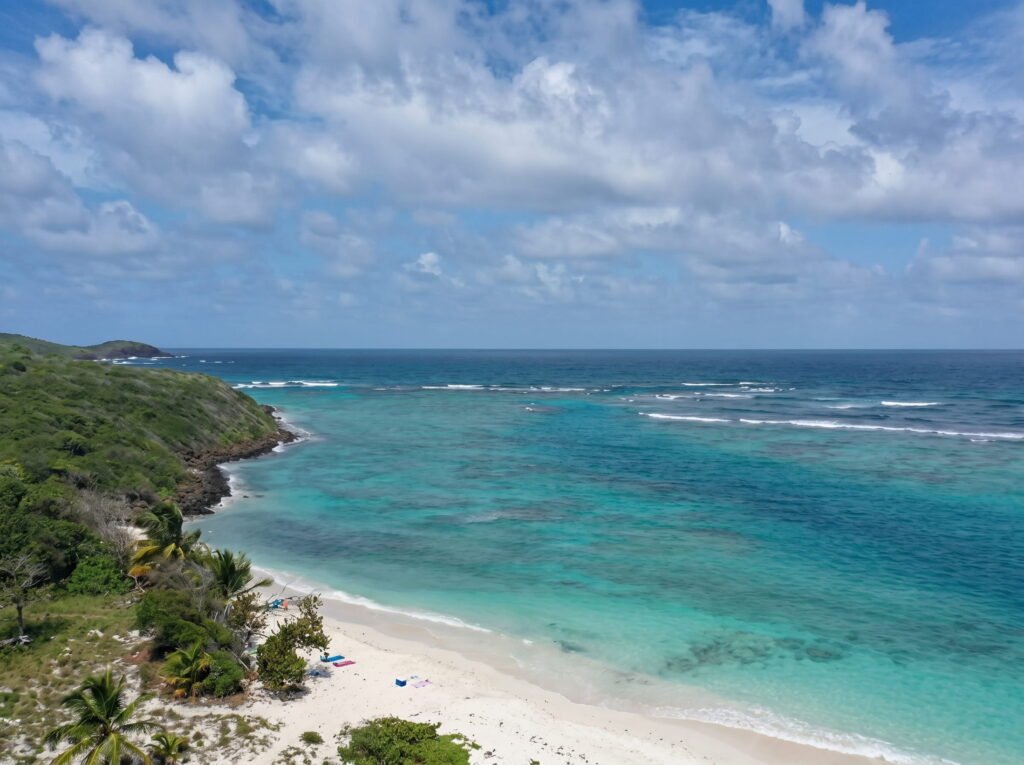
I still remember very clearly when, back in 2023, I was trying to solve a calculus question on a calculator-based website. On that same page, I noticed a beautiful view that immediately caught my attention. When I clicked on it, I discovered that the place was Puerto Rico — a destination whose beauty truly speaks for itself.
At that very moment, I told both my heart and mind, “Danish, you absolutely have to visit this place one day and experience its beauty with your own eyes.”
Then finally, in 2026, the year came when I decided to turn that dream into reality. I made my plan and visited the city for as long as I could. I spent 7 unforgettable days there, and honestly, those were some of the most beautiful days of my life.
Remembering those special moments, I’m now ready to write a complete and detailed post about “Things to Do in Puerto Rico.” Covering everything in a single article would be a little difficult, so I’ve separately covered beaches, hotels, trips, food, mistakes to avoid, and a few festivals as well. You can explore those detailed guides too.
So, let’s now move toward our main topic: Things to Do in Puerto Rico.
This nightclub is too costly.
Old San Juan Is My Favorite Destination
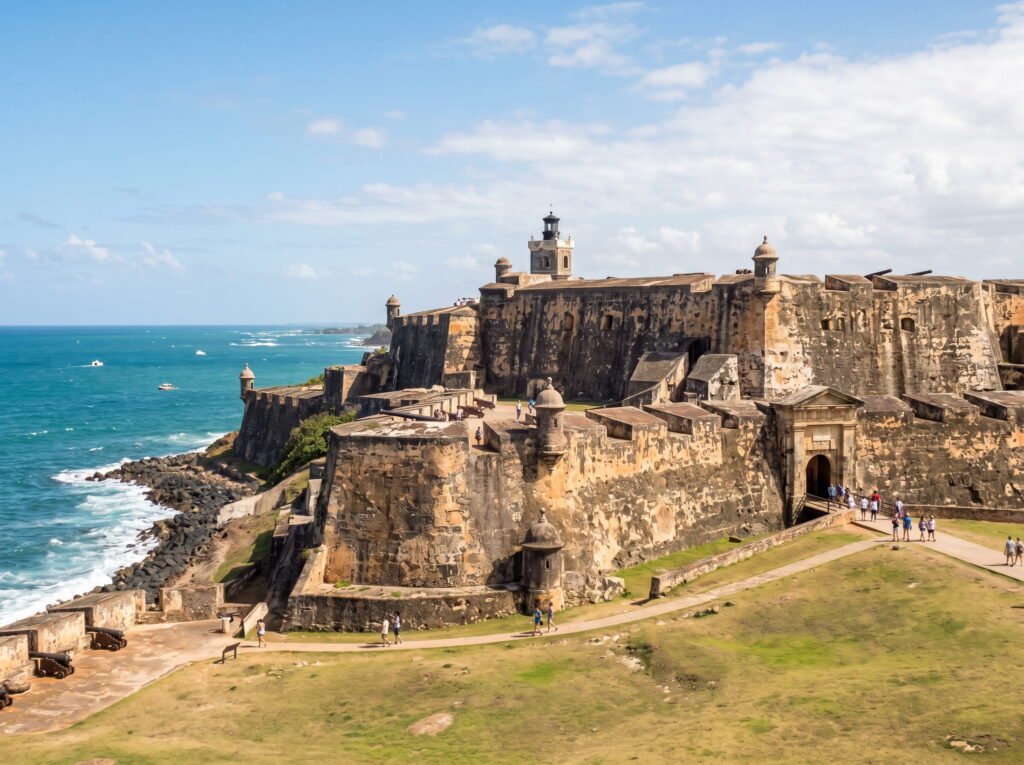
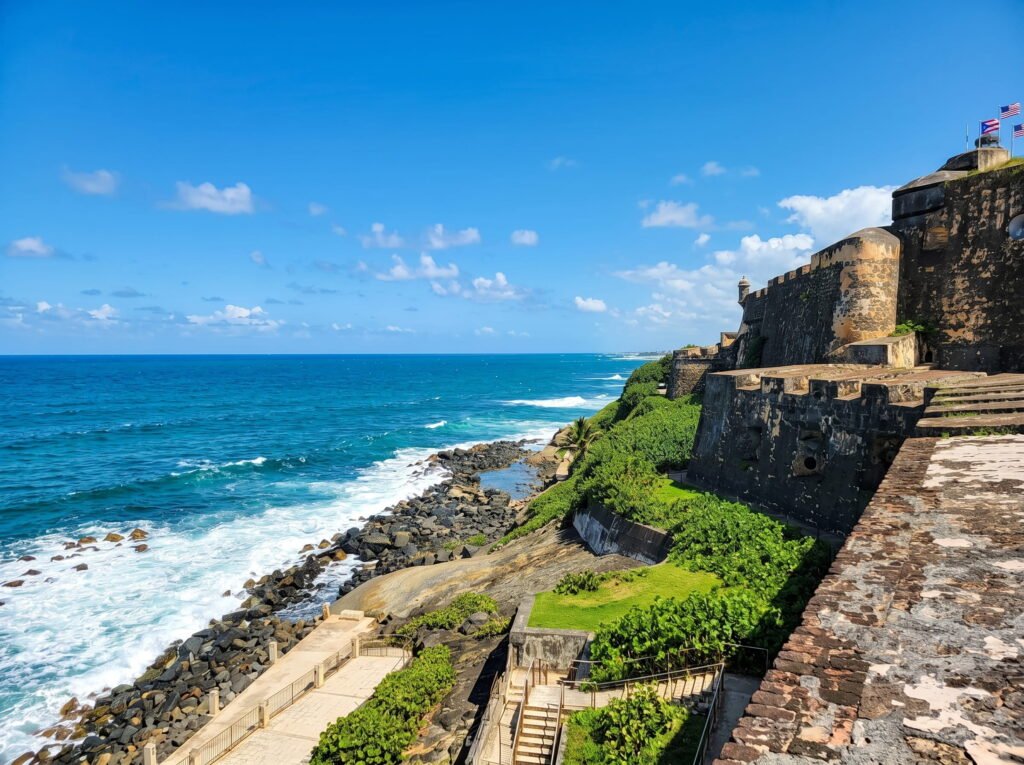
After having breakfast at La Mallorquina, I headed toward the famous fort of Old San Juan, Castillo San Felipe del Morro, commonly known as “El Morro.” If you’re visiting by car, there is a parking structure located very close to the fort. You can also use a taxi or Uber to get there easily.

If you only have time to visit one attraction in Old San Juan, then El Morro should definitely be at the top of your list. Originally built in 1539 as a tower, it was later expanded into an incredible fort in 1595. One of the coolest things about this place is that it is also a UNESCO World Heritage Site.

The fort has six different levels, and I highly recommend visiting the top floor. I honestly loved the breathtaking views of Old San Juan and the coastline from up there. One thing that truly amazed me was the fort’s giant walls. Not only are they incredibly tall, but they are also around 18 to 25 feet thick, which makes the entire structure feel even more powerful and impressive.


One of my favorite parts was exploring the narrow tunnels inside the fort. Luckily, I was able to fit through comfortably and reach the other side to enjoy the beach views. It felt like a little adventure of its own. Some passages are definitely tight squeezes, but that’s part of the fun.
After spending hours exploring the fort, I recommend having lunch at Barrachina. Their food and refreshing shakes are perfect for getting your energy back after all the walking and climbing.
Once lunch was over, my next destination was La Fortaleza, the official residence of the governor. The area around it is beautiful and full of amazing photo spots.
Check Metropolis Night Club London
While exploring, I also visited Parque de las Palomas, also known as Pigeon Park. It turned into one of the most memorable moments of my trip. At one point, two pigeons were sitting on my head while I was feeding them, and I couldn’t stop smiling. You can buy food there to feed the birds yourself, but be careful — if you feed them directly from your hands, you might get small scratches like I did.

If you’re traveling with family, there’s also a cozy café nearby called Café del Nino where kids can play while adults relax for a while.
Right in front of Pigeon Park, you’ll find Anita La Mamma del Gelato, a famous gelato spot that’s both fun and delicious. I definitely recommend trying it.
Another great thing about Old San Juan is that it’s extremely walkable. Most attractions are close enough to explore on foot, which makes the experience even more enjoyable.
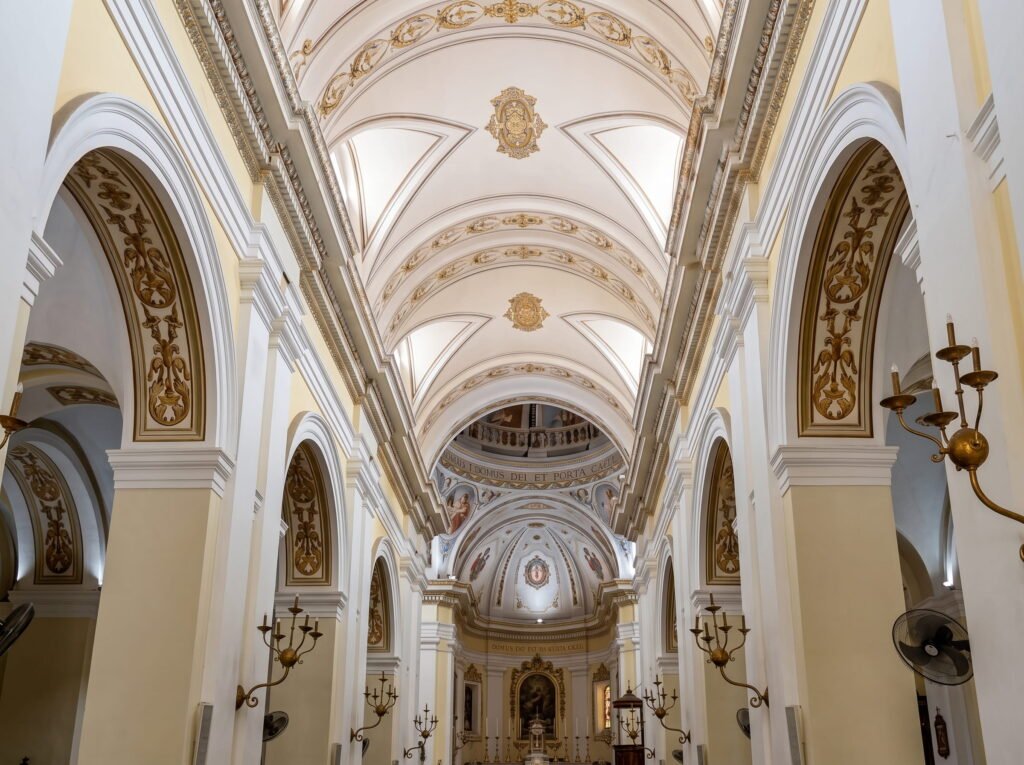
My next stop was Catedral Basílica Menor de San Juan Bautista, one of the most stunning places I visited. Inside the cathedral, you’ll find the tomb of Juan Ponce de León along with several famous shrines and historic Spanish tombs.
There are also many other famous places and activities in San Juan that you shouldn’t miss, including:
- Museo de Las Américas
- Old Walls of San Juan
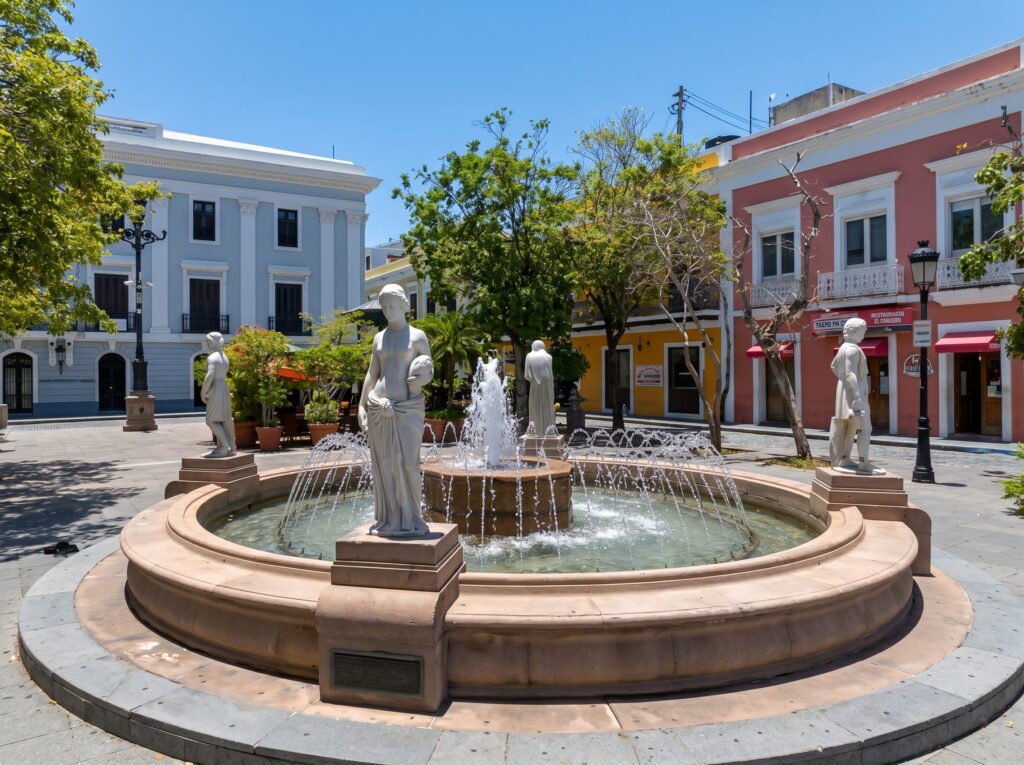
- Raíces Fountain
- Castillo San Cristóbal
- La Factoría
El Yunque Rainforest — The Only One in the US

After spending a full day exploring Old San Juan, my next destination was El Yunque National Forest. If you are visiting this rainforest for the first time, I highly recommend taking the famous “PR-191 Scenic Route.” Almost every traveler I met suggested this route because of its beautiful drive and amazing viewpoints along the way.
The forest is located on the eastern side of Puerto Rico and covers nearly 29,000 acres of land. While exploring, you’ll come across countless plant species, giant tropical trees, colorful flowers, and different kinds of wildlife that make the rainforest feel alive at every moment.
One fascinating fact about El Yunque is that among all the forests in the United States, it receives some of the highest rainfall every year — more than 100 inches annually. Because of this heavy rainfall, the forest is filled with beautiful waterfalls, rivers, and nearby beaches that attract nature lovers from around the world.

If you want to explore the best beaches in Puerto Rico in detail, I’ve also covered them separately in another guide titled “Best Beaches in Puerto Rico.”
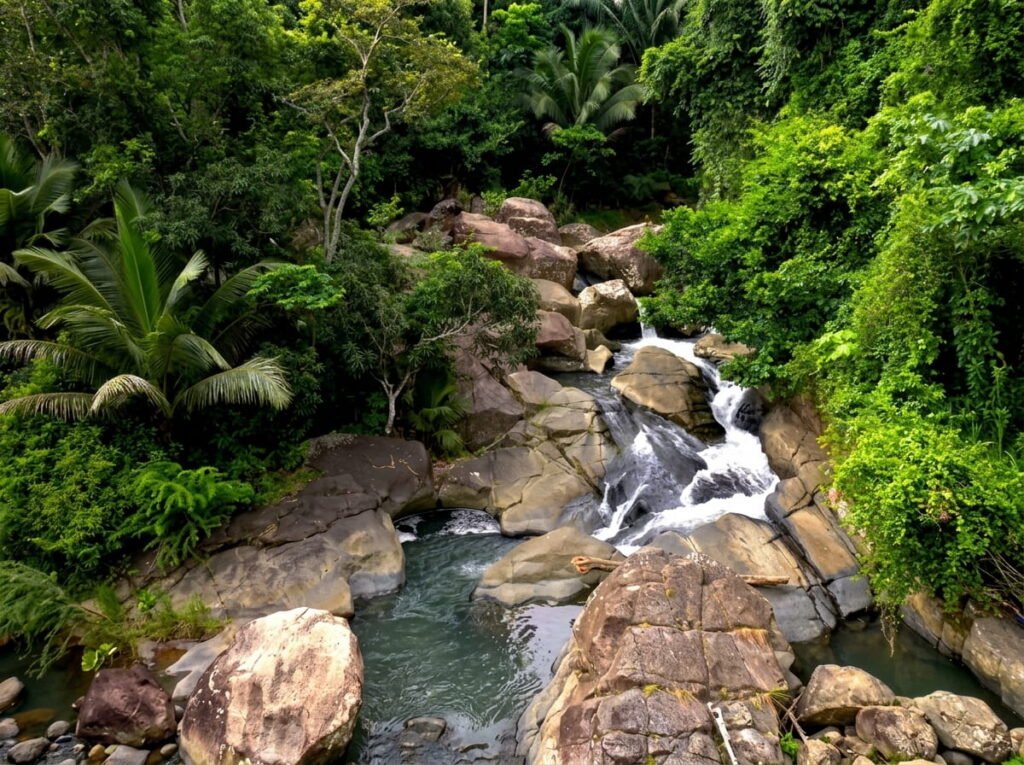
Talking about waterfalls, my personal favorite was definitely Las Paylas. I honestly believe that if you visit it, you’ll love it too.

The trail to reach the waterfall is surprisingly easy — only about a five-minute walk through the dense rainforest canopy. As you move through the forest, the sound of flowing water slowly grows louder until the trees suddenly open up to reveal the falls.
Once there, you can explore different sections of the waterfall by climbing across the giant rocks spread throughout the valley. The main pool is without a doubt the highlight of the experience. You can slide beneath the waterfall on the naturally smooth rocks, almost like a natural water slide, or grab the rope swing and jump straight into the deep cool water below. It was one of the most fun and unforgettable moments of my trip.
There are also many other exciting things to do inside El Yunque National Forest, including:
- Swimming at La Mina Falls
- Hiking to Mount Britton Tower
- Reaching the rainforest’s highest peaks and viewpoints
If you love adventure, waterfalls, hiking, and peaceful natural scenery, then El Yunque is truly a destination you should not miss while visiting Puerto Rico.
Condado Lagoon
Condado Lagoon is a beautiful small bay located in San Juan and is known for its calm waters and peaceful surroundings. One of the most special things about this lagoon is that it is home to endangered Antillean manatee, sea turtles, and even colorful starfish.

One of the best ways to explore the lagoon is by renting a kayak. As I paddled through the calm water, I was honestly amazed by the scenery and the relaxing atmosphere around me. The environment felt incredibly peaceful, making it the perfect escape from the busy city life.
Vieques Island
Vieques is one of those rare places that feels truly extraordinary from the moment you arrive. Located just off the eastern coast of Puerto Rico, this small island is filled with natural beauty, peaceful beaches, and unforgettable experiences.

If you plan to visit Vieques, I highly recommend spending at least one or two days there because there is simply too much to explore in just a few hours.


To reach the island, you can take a ferry from Ceiba Ferry Terminal, which is around an hour and a half drive from San Juan. The ferry ride itself takes about an hour and brings you to a charming little port town on the island.
The first thing I recommend doing after arriving is renting a golf cart or small vehicle to freely explore the island. As you drive around, you’ll come across stunning ocean views, a long pier stretching dramatically into the sea, and even wild horses casually roaming along the roadside. Honestly, some of the beaches looked so perfect that they almost didn’t feel real.
The true highlight of Vieques, however, is Mosquito Bay, which is considered the brightest bioluminescent bay in the world.
At night, guides take visitors into the bay by kayak, and this is where the real magic begins. Every movement in the water creates a glowing blue-green light around you. Even the paddle strokes light up in the darkness, making the entire experience feel unreal. No camera or photograph can fully capture how beautiful it looks in person — it’s something you truly have to experience yourself.
One important tip: ferry tickets for Vieques sell out very quickly, especially during busy travel seasons. Make sure to book your tickets in advance because many travelers arrive at the terminal without reservations and end up missing the trip entirely.
Monkey Island — Cayo Santiago
Formally known as Cayo Santiago, Monkey Island is one of the most unique and surprising attractions in Puerto Rico. The island is home to thousands of free-roaming rhesus monkeys and has been used as a primate research center for many decades, making it one of the world’s most important places for studying primate behavior.

Although visitors are not allowed to step onto the island itself, you can still enjoy an unforgettable experience by taking a kayak or boat tour around its shores. Watching hundreds of monkeys moving freely along the beach was honestly incredible. Some were climbing trees, others were running around the sand, and the baby monkeys could be seen playing closely beside their mothers.
What makes this place truly special is not only the huge number of monkeys but also how closely you can observe them from the water. It felt like witnessing wildlife in its purest and most natural form.
The Bioluminescent Bays — Swimming Through a Living Sky
Puerto Rico has more than one bioluminescent bay, and each offers something slightly different. The experience, in any of them, is one of those things that resists photography and resists description in equal measure. You simply need to be in the water to understand it.
Located in Vieques, Mosquito Bay is known as the brightest bioluminescent bay in the entire world. Here, visitors explore the glowing water by kayak since swimming is not allowed.
As soon as my paddle touched the water, bright electric blue-green light appeared around it. Every movement created glowing trails in the dark water, making the entire experience feel magical. A guide led us through the bay at night, and honestly, it was unlike anything I had ever experienced before.
Another unforgettable place was La Parguera BioBay, which is one of the few bioluminescent bays in Puerto Rico where swimming is actually allowed. And trust me, swimming through glowing water feels completely different from simply watching it from a kayak.
The experience began with a boat ride toward the hidden cove while the guide explained the science behind the glowing effect. Tiny microorganisms called dinoflagellates produce light whenever the water is disturbed by movement.
Before entering the water, our boat stopped near a large group of tarpon fish. These huge fish looked almost prehistoric in the dark water, but they were harmless and surprisingly calm around people. Seeing them swimming beneath us added even more excitement to the adventure.
Then came the most unforgettable part — the swim itself.
The moment I entered the water and started moving my arms and legs, the entire water around me began glowing bright blue. Every movement created sparkling trails of light, almost like swimming through stars floating inside the ocean. Watching my hands and body leave glowing marks in the water felt absolutely surreal.
Most tours usually include around twenty minutes of kayaking followed by twenty minutes of swimming, but almost everyone agrees that the swimming portion becomes the highlight of the entire experience.
One thing to remember is that bioluminescence is very difficult to capture properly on camera. Even expensive cameras often fail to show the real beauty of the glowing water.
La Parguera — Sunset on the Water First
Before experiencing the magical glow of the bioluminescent bay at night, the perfect way to begin your evening in La Parguera is by joining a sunset boat tour.
This peaceful seaside village becomes even more beautiful during the late afternoon when boats begin leaving the marina for sunset cruises across the calm Caribbean waters. Honestly, the experience felt far more special than I expected.
The tour first stopped near a small offshore island where we had the chance to jump into the water and swim alongside colorful coral reefs filled with tropical fish. The underwater scenery was vibrant and full of life, making it feel like exploring a hidden world beneath the sea.
As the daylight slowly faded, everyone climbed back onto the boat and we moved toward a beautiful sandbank perfectly positioned for the sunset view.
That sunset was honestly unforgettable.
The sky slowly changed from golden colors to soft pink shades and finally into deep violet tones, while the calm Caribbean water reflected every color perfectly. Standing at the front of the boat with the ocean breeze hitting my face felt peaceful in a way that’s difficult to describe. In moments like that, you completely understand why people dream about Caribbean sunsets.
Río Camuy Caves — Descending Into Another Planet
This is not a small tourist cave with simple walking paths. The massive scale of the caves, the deep darkness, and the strange underground ecosystem together create an experience that feels both exciting and humbling at the same time.
Entry into the cave system is only possible through guided tours, so booking tickets in advance is highly recommended. Once you arrive, visitors are provided with safety helmets, headphones, and an audio guide that explains the history and formation of the caves while you explore deeper underground.

As the tour continued, the cave slowly came alive around us. Giant rock formations surrounded every direction, spiders clung to the cave walls, and an underground river quietly flowed through the darkness below. The deeper we went, the darker and more mysterious the environment became.
One important thing I would strongly recommend is bringing a proper flashlight. Phone lights are simply not powerful enough inside these caves, especially in the darker sections where visibility becomes extremely limited.
Rincón — Surf Capital of the Caribbean

Located on the northwestern side of Puerto Rico, Rincón is widely known as the surfing capital of the Caribbean. The moment I arrived there, I could immediately feel the peaceful and relaxed atmosphere of the town. Life in Rincón moves slowly, shaped completely around the ocean, sunsets, and beach culture.
Whether you are a complete beginner or an experienced surfer, Rincón offers something for everyone.

One of the best experiences I had there was renting a longboard and heading into the warm Caribbean water. The waves are strong, consistent, and surprisingly beginner-friendly. Even people trying surfing for the first time usually manage to catch a few waves quickly.
And honestly, the feeling of riding your very first wave — even for only a few seconds — is absolutely unforgettable.
For experienced surfers, Rincón becomes even more exciting during peak surf season when the waves are considered some of the best in the Caribbean region. The warm water throughout the year makes every surf session feel comfortable and enjoyable.
What I loved most was the beach culture itself. Everything felt welcoming, simple, and relaxed without any pressure or pretentious atmosphere. People were there simply to enjoy the ocean and good vibes.
But surfing is not the only thing that makes Rincón special.
Just offshore, another incredible world exists beneath the water. The coral reefs around Rincón are beautiful and filled with marine life. While snorkeling, you can swim above colorful coral gardens surrounded by tropical fish, including parrotfish and wrasses. If you’re lucky, you may even spot lobsters hiding between the reef formations.
One of the most unforgettable moments for me was seeing sea turtles gracefully swimming through the water. They move so peacefully and naturally that watching them feels calming in a way that’s difficult to explain.
And if luck is truly on your side, you might even spot a West Indian manatee slowly gliding through the shallow waters. Seeing such a large yet gentle animal up close is an experience you never forget.
Another reason why the west coast of Puerto Rico feels so magical is because of its sunsets.
Every evening, the beaches of Rincón face directly toward the setting sun, creating breathtaking views across the ocean. As the sun slowly disappears into the horizon, the sky transforms from golden colors into pink, orange, and deep purple shades, all reflected beautifully across the calm water.
Las Salinas de Cabo Rojo — The Pink Salt Lakes

Located in the southwestern part of the island, these famous salt flats are known for their incredible pink and reddish-colored water. The unusual colors are created naturally by salt-loving algae, tiny brine shrimp, and the way sunlight reflects across the shallow lagoons during different times of the day.

What amazed me most was how dramatically the colors changed depending on the weather. On cloudy days, the pink tones appear soft and subtle, but once the sunlight comes out, the water almost glows with bright pink and red shades.
Salt has been collected from this area for centuries, dating all the way back to around 700 AD. According to local stories, even Christopher Columbus is believed to have named the region.
The drive toward the salt flats was also part of the adventure. Long dirt roads surrounded by endless white salt fields made the entire area feel quiet, isolated, and untouched. Walking along the narrow paths between the colorful pools while watching the water change shades with the sunlight was one of the most surreal experiences I had in Puerto Rico.
The area is also famous for its local pink shrimp, which many visitors recommend trying if you enjoy seafood and want to taste something unique to the region.
Because Las Salinas de Cabo Rojo is a protected wildlife area, drones are not allowed there, helping preserve the peaceful natural environment.
While visiting the salt flats, I highly recommend continuing further toward Los Morrillos Lighthouse, also known as the Cabo Rojo Lighthouse. Built in 1882, this historic lighthouse once guided ships safely through the dangerous Mona Passage between the Caribbean Sea and the Atlantic Ocean.
The lighthouse stands dramatically on top of high cliffs rising around 120 feet above the crashing ocean waves below. Depending on recent weather conditions, the road can sometimes become difficult to drive after rain, meaning visitors may need to complete a short hike to reach it. But honestly, the walk only makes the destination feel even more rewarding.
The views from the southwestern edge of the island are absolutely breathtaking. Strong ocean winds, giant cliffs, turquoise water, and almost no crowds create a raw and peaceful atmosphere that feels completely untouched by tourism.
And hidden below those cliffs is another incredible spot called Playa Sucia. Despite its name translating to “Dirty Beach,” there is absolutely nothing dirty about it. In fact, it’s one of the most beautiful beaches I saw during my trip.
Ponce — The Pearl of the South
Ponce is often called Puerto Rico’s second city, and it carries a calm confidence that feels very different from the energy of San Juan. The historic center is quieter, more spacious, and gives a clearer sense of everyday local life unfolding without rush or pressure.

At the center of it all is Plaza Las Delicias — a beautiful, tree-lined square surrounded by colonial architecture, fountains, and shaded walkways. The atmosphere here naturally slows everything down. People sit, talk, and move at an easy pace, making it a place where simply walking around feels like part of the experience.
One of the most iconic landmarks on the plaza is Parque de Bombas. Its bold red-and-black striped exterior immediately stands out and makes it one of the most recognizable buildings in the country. Built in 1882, it originally served as a fire station for over a century before being converted into a museum in 1990. Even from a distance, it draws attention as the symbolic heart of the plaza.
Nearby, on the northern side of the square, stands Fox Hotel Ponce — an Art Deco landmark that adds a different architectural layer to the city. Originally built in the 1930s as a theater, it has been carefully preserved, and stepping inside reveals detailed interiors and a sense of old-world elegance that has not been lost to time.
The historic center of Ponce is best explored slowly on foot, especially in the morning before the heat sets in. Each street feels like it has its own character, and the architecture rewards attention — balconies, facades, and details that are easy to miss if walking too quickly.
The Don Q Rum Tour, Ponce
Rum and Puerto Rico are deeply connected, and one of the best places to understand that relationship is the Destilería Serrallés (Don Q) tour in Ponce.
Don Q is one of the island’s most historic rum brands, produced by the Serrallés family for over 150 years, and the tour reflects that long-standing tradition in a simple, engaging way.
It ends with a mixology session where classic rum cocktails are prepared. One interesting detail shared during the experience is that Don Q rum was used in the original creation of the piña colada. Learning to make it in the city where the brand has such deep roots adds a meaningful touch to the visit.
Casa Bacardí — The World-Famous Rum Distillery
Just across the bay from San Juan in Cataño sits the world-famous Casa Bacardí — one of the largest rum distilleries in the world, where history, production, and storytelling come together in a surprisingly engaging experience.
The brand traces its origins back to Cuba in the 1860s, where it built one of the most iconic rum empires globally. After political changes in the 1960s led to the loss of its original facilities, the company relocated and rebuilt its operations in Puerto Rico, continuing its legacy and expanding its international presence. That history adds meaningful context to the experience even before the tour begins.
The Legacy Tour at Casa Bacardí lasts about an hour and provides a guided introduction to the distillery. It starts with a narrated drive around the property before moving into the main building, where the rum-making process is explained step by step — from fermentation to long-term barrel aging, where some rums mature for up to eight years.
Crash Boat Beach — Lively, Joyful, Quintessentially Puerto Rican
On the northwest coast of Puerto Rico in Aguadilla lies Crash Boat Beach — one of the most vibrant and energetic beaches on the island.
Unlike quieter, more secluded shores, this beach feels alive with activity. Brightly colored fishing boats float offshore, and a long pier stretches into clear turquoise water, giving the entire place a lively and welcoming atmosphere.
There are plenty of things to do here depending on the mood. Snorkeling under the pier is especially popular, as schools of fish gather around the structure in large numbers. The calm waters also make it a great spot for stand-up paddleboarding just off the shoreline.
Survival Beach — Worth the Walk
The eastern coast of Puerto Rico hides some of the island’s most dramatic and least visited coastline. Survival Beach — reached via a hike from Surfers Beach — is among the most rewarding destinations for those willing to walk for it. The trail itself is a kind of slow-motion safari: marine life, tidal pools, coastal birds, and the constant presence of the ocean just below the rocky clifftops.
The hike is not technically difficult, but the terrain is uneven and the paths are informal — which is precisely what keeps the crowds away. The payoff at the end is a wild, open beach with a massive rock formation jutting out over the water, perfectly positioned for watching the sunset. It is the kind of place that makes you want to stay until the light is completely gone.
Heads up: The area is close to an airport flight path, which makes drone photography restricted. What the camera cannot capture, the eyes can — and what the eyes see here is more than enough.
Gozalandia Waterfall — Interior Mountains

From the west coast of Puerto Rico, Highway 111 winds inland through the mountains, eventually leading to one of the island’s most popular natural swimming destinations — Gozalandia Waterfalls.
After roughly forty minutes of driving, the landscape shifts into lush green hills and dense tropical vegetation. A parking fee is required on arrival, and from there the journey continues on foot via a long staircase descending toward the base of the falls. The steps can be steep, and conditions may become slippery when wet, so careful footing is important throughout the descent.
At the bottom, the scenery opens up into a breathtaking natural swimming area. The main waterfall drops from a height of around sixty feet into a deep, crystal-clear pool that is fully swimmable. The combination of falling water, natural rock formations, and surrounding forest creates a powerful and refreshing atmosphere.
To the right of the main cascade, a smaller waterfall flows steadily, adding to the layered beauty of the site. For those seeking more adventure, the surrounding rocks can be climbed to reach higher viewpoints and natural cliff-jumping spots at different heights.
Reserva Natural Cueva del Indio — Dramatic North Coast
On the northern coast of Puerto Rico lies Reserva Natural Cueva del Indio, a striking natural reserve known for its dramatic coastal cave system and rugged rock formations.
The main cave is accessible through a narrow opening in the rock, requiring careful movement, light climbing, and attention while navigating uneven surfaces. Inside, the coastal geology reveals itself in raw, natural detail, shaped over centuries by wind and ocean forces.
The reserve is also home to the famous “Seven Arches,” a series of natural limestone formations carved by the Atlantic Ocean. These arches rise above crashing waves, creating one of the most visually powerful coastal landscapes in Puerto Rico.
The trail leading to both the cave and arches is relatively straightforward, but the terrain is uneven in several areas. Extra caution is needed near cliff edges, especially as conditions can change quickly with weather and sea spray.
When weather conditions allow, the views from the arches are especially dramatic. The Atlantic Ocean below is often rough and energetic, while shifting clouds and sunlight create constantly changing light across the coastline.
Important visitor guidelines include a paid parking fee and a separate entry fee for the hiking area. Following all posted instructions is essential due to the exposed cliffs and natural hazards. In addition, hiking poles can be helpful for stability on rocky or uneven sections of the trail.
Reserva Natural Cueva del Indio remains one of the most visually distinctive coastal sites on the island, combining natural caves, ocean-carved arches, and powerful Atlantic scenery in a single location.
Distrito T-Mobile — Santurce at Night
When the sun goes down, Distrito T-Mobile in San Juan transforms the area of Santurce into something genuinely striking.
The entertainment district comes alive with massive digital screens that light up the entire space, including a ceiling installation that creates the feeling of standing under a glowing, moving sky. The atmosphere changes completely at night — what feels like an open plaza in the daytime turns into a vibrant, immersive light experience after dark.
The central open area is designed for people to stay, not just pass through. There are games, seating spaces, and a steady flow of energy that makes the environment feel social and lively. It’s the kind of place where time doesn’t feel rushed, and people naturally gather and spend the evening.
Surrounding restaurants add to the experience, offering good food with direct views of the illuminated displays. The combination of dining and entertainment in one space makes it easy to settle in for the night without needing to move around much.
For families, the district works especially well. With a movie theater, arcade, and even a zipline, Distrito T-Mobile becomes a complete evening destination where different interests can be enjoyed in one place.
La Placita, Santurce — Where the Locals Actually Go
La Placita is a neighborhood in Santurce that transforms completely after dark. During the day it operates as a fruit market; by night, it becomes the island’s most vibrant open-air social scene. The streets surrounding the market fill with people, the bars spill onto the sidewalks, and music pours out from every direction — live salsa bands, reggaeton, hip hop, R&B, all colliding in the warm night air.
La Placita is less tourist-oriented than Calle San Sebastián and more genuinely local in character. The restaurants are excellent, the drinks are generous, and the atmosphere is the kind that does not happen in most places in the world anymore. Arrive after nine and stay as long as the music is playing.
Finca de la Guerra — The Sunflower Field
Few places in Puerto Rico are as unexpectedly moving as this. Finca de la Guerra, a working farm in the central part of the island, is home to what may be the largest and most beautiful sunflower field you will ever walk through. The ideal time to visit is just before sunrise — arriving around five in the morning and waiting as the light slowly lifts over the rows of flowers is an experience that photographs can gesture at but never fully convey.
Hurricane Maria devastated much of the farm’s original crop, and the field today is smaller than it once was. But what remains is magnificent, and the owner — who is likely to greet you with genuine warmth if you arrive ahead of the crowds — keeps it with obvious pride. There is something deeply affecting about a place that was nearly destroyed choosing to bloom again.
La Ruta del Lechón — The Pork Highway
Heading south from El Yunque National Forest into the island’s central mountains, you eventually reach one of the most iconic food experiences in Puerto Rico — La Ruta del Lechón, also known as the Pork Highway.
The name is exactly what it sounds like. Along this stretch of road, you’ll find dozens of roadside restaurants and open-air kitchens, each one specializing in the island’s famous whole-roasted pig — lechón. The pigs are slow-roasted over coals for hours until the skin turns golden, crisp, and crackling, while the meat underneath becomes incredibly tender and flavorful.
But what makes this experience truly special is not just the food — it’s the atmosphere.
You simply pull off the road, choose any local spot, and sit among families and locals who have been coming here for generations. There’s no formal setup, no fancy presentation — just plates of freshly carved lechón served with traditional sides, enjoyed in a lively and authentic mountain setting.
The first bite says everything.
The skin is perfectly crispy, rich, and slightly fatty in the best possible way, while the meat is soft, juicy, and deeply seasoned from slow roasting. It’s one of those dishes that doesn’t need any extra flavor or decoration — it stands completely on its own.
Waterfall Hiking — Island-Wide
Across the island, waterfalls are rarely limited to a single drop. In many places, following the flow of water uphill reveals a series of cascades — one leading naturally into the next. Each level often feels quieter and more secluded than the last, as fewer visitors continue further along the trail.
Swimming in the pools beneath these waterfalls is one of the most refreshing experiences in Puerto Rico. The water is usually cool and clear, surrounded by dense forest, birdsong, and the sound of rushing streams. It’s a simple kind of experience, but one that feels deeply rewarding without requiring much planning.
Many of these spots involve uneven terrain, so water shoes are useful, and muddy conditions are common, especially after rain. The experience often becomes less about reaching a specific destination and more about following the natural rhythm of the landscape.
Arecibo Observatory — Where Humanity Reached for the Stars

One of the most fascinating places I visited in Puerto Rico was the famous Arecibo Observatory. This incredible site is known around the world because it was the place from where humanity sent its first intentional message into outer space.
For many decades, the observatory was home to the world’s largest radio telescope. The massive satellite dish, the giant suspended platform hanging above it, and the green forest-covered hills surrounding the area together created one of the most breathtaking scientific sites ever built.
Although the observatory stopped operating after the platform collapsed onto the dish in 2020, the site still stands as a powerful symbol of human curiosity, scientific discovery, and our desire to understand the universe.
San Germán — Puerto Rico’s Second Oldest City
Start your morning in San Germán, the second oldest city in Puerto Rico and located around twenty minutes north of La Parguera. The city immediately welcomes visitors with its beautiful and historic central plaza, creating a peaceful and elegant atmosphere that feels perfect for beginning the day.
One of the best breakfast spots near the plaza is Me Latte Un Pocillo. The café’s outdoor seating overlooks the square, allowing you to enjoy the calm morning scenery while having breakfast.
I honestly loved the food there. Their homemade waffles, fresh cream cheese, guava jelly, and rich local Puerto Rican coffee made the breakfast feel simple yet incredibly memorable. Even the presentation of the dishes was beautiful enough to deserve a photo before taking the first bite.
Mayagüez and Aguadilla — Historic Plazas and Painted Houses
Continuing along the western coastline of Puerto Rico, my next stop was Mayagüez, a city known for its beautiful and historic central plaza. Dating back to the 1840s, the plaza is surrounded by a mixture of old historic buildings and modern architecture that somehow blend together perfectly without losing the city’s charm.

One thing I noticed while exploring Puerto Rico is that every town plaza has its own personality and atmosphere. Some feel lively and energetic, while others feel peaceful and relaxing. In Mayagüez, the plaza felt like the heart of the community, where locals gather, relax, and enjoy everyday life together.
Around thirty minutes further north, I arrived in Aguadilla, where I discovered one of the most colorful and creative neighborhoods on the island. In 2018, local artists transformed an ordinary residential street into a giant open-air mural gallery. Entire building walls were covered with vibrant paintings and artistic designs, turning the neighborhood into a place full of creativity and pride.

Finding these murals can be a little challenging if you don’t know the area well, but honestly, that small adventure makes the experience even more enjoyable. While searching for them, I also came across a peaceful little park with a river flowing through it, which added even more beauty to the visit.
What I loved most about this place was how art, community, and everyday life all blended together naturally. It didn’t feel like a tourist attraction created for visitors — it felt real, authentic, and deeply connected to the local culture of Aguadilla.
Escambrón Beach and La Placita de Ponce
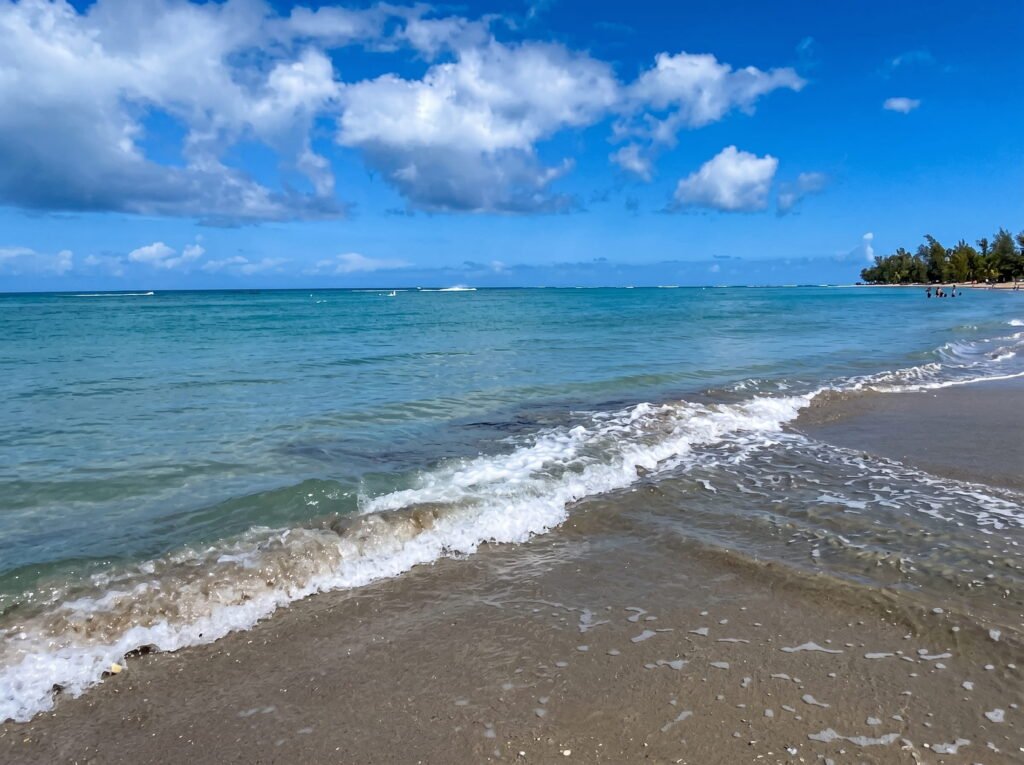
Escambrón Beach is easily one of the best beaches in the San Juan area. The beach is known for its calm, crystal-clear water and clean surroundings, making it a perfect spot to relax and enjoy the ocean views.
One thing I really loved about this beach was the smaller cove located around the headland. It’s an amazing place for snorkeling, where you can swim alongside colorful fish and even sea turtles. If you don’t have your own snorkeling gear, you can easily rent equipment nearby or buy some beforehand from stores like Walgreens or Walmart.
Another hidden gem I explored was La Pocita de Piñones, a natural swimming area located in the Loíza neighborhood. This place offers a completely different experience compared to regular beaches. Large rocks naturally block the strong ocean waves, creating a calm pool-like area inside the sea where you can safely swim and relax.
A Note on Getting Lost
Perhaps the most honest thing I can say about Puerto Rico is this: the best experiences on the island are often the ones you never planned for.
Sometimes, the most unforgettable memories come from taking a wrong turn and discovering a hidden lagoon, meeting kind strangers during a rainforest hike, or stopping at a small roadside food stand for empanadas and ending up in a long conversation with someone who has spent their entire life on the island.
That is the true beauty of Puerto Rico — it constantly surprises you in the best possible ways.
Even though the island is only a short flight from cities like New York City, it feels like a completely different world. From its breathtaking beaches and tropical rainforests to its colorful streets and welcoming people, everything about the island carries a unique energy and warmth.
What impressed me most was how deeply connected the people are to their culture, nature, and traditions. Puerto Rico is a place that has faced many challenges over the years, yet it continues to shine with positivity, beauty, and life.
Every destination mentioned in this guide is alive with culture, adventure, and unforgettable experiences, waiting to be explored.
So if you ever get the chance to visit Puerto Rico, don’t overthink it. Go as soon as you can, stay longer than you originally planned, and leave some space in your schedule for unexpected adventures — because sometimes the island itself decides what memories you’ll take home with you.


4 Responses