Every year, thousands of tourists arrive in Puerto Rico and make the same common mistakes that could easily be avoided—such as staying in the wrong neighborhoods, not renting a car, or failing to appreciate the island’s relaxed, slow-paced lifestyle.
The good news is that most of the common mistakes made in Puerto Rico are easy to avoid—you just need to know about them in advance. A little preparation can make your trip much easier and more enjoyable.
So, let’s dive in 10 mistakes to avoid in Puerto Rico in 2026.
1. Not Adjusting to Island Time
This is perhaps the biggest mistake on the entire list — and it surprises people almost every time.
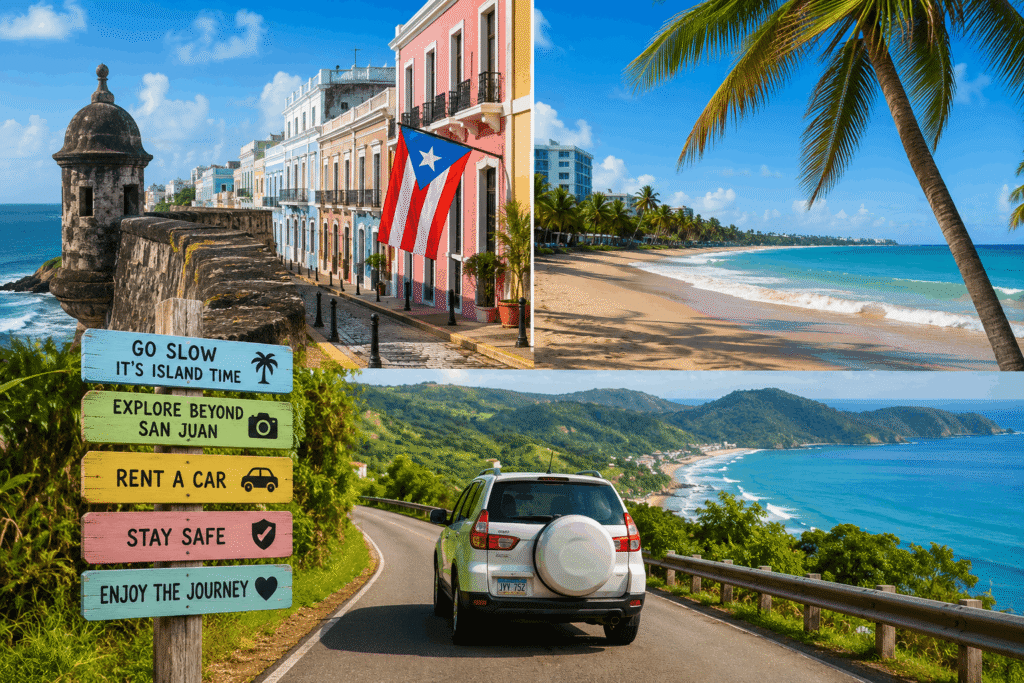
PR runs on its own schedule. A restaurant that says it will open at 3 p.m. might not open its doors until around 4. A place might show as open online, but when you arrive it’s closed. What takes 20 minutes on the mainland can take an hour here, and the people around you won’t seem the least bit bothered.
If you come expecting the fast pace and punctuality of the mainland, a large part of your trip could be spent in frustration. A better approach is to allow extra time for everything, keep your plans flexible, and remember that going slow is part of the experience here.
You didn’t come to Puerto Rico to recreate the comforts of home. Embrace the local pace, and it could become one of the best parts of your trip.
2. Staying Only in Old San Juan
Old San Juan is incredibly beautiful and definitely worth seeing. But assuming the entire island is limited to that one area is one of the most common mistakes tourists make, especially those who arrive on a cruise ship and never venture beyond the historic district.
Santurce, which is just a short Uber ride from Old San Juan, offers a completely different atmosphere. Here you’ll find an outstanding food scene, vibrant street art, local bars, and the authentic everyday life that’s rarely seen in the tourist-filled historic district. Near Santurce is Ocean Park Beach, which offers a more relaxed atmosphere and is perfect for lounging on the sand.
The truth is that Puerto Rico’s real beauty, great food, natural scenery, and fascinating local culture are often found in areas that most tourists never visit.
Even if you’re short on time, be sure to venture outside Old San Juan for at least a few hours. Spending just one afternoon in a different neighborhood can completely change your experience of the island.
3. Not Renting a Car If You’re Leaving the City
Public transportation is limited and was not specifically designed to meet tourists’ needs. Uber works pretty well within San Juan, but as soon as you want to go to the north shore, the western side, the mountainous areas, or anywhere off the main tourist routes, the cost of travel can be very high—sometimes a one-way fare alone reaches hundreds of dollars.
A one-day rental car typically costs around $50 to $100, and it opens up the entire island to you. Without one, you’re mostly limited to the places that are easily reachable from San Juan.
One key tip is to book your car in advance, pay upfront, and, if possible, book directly through the rental company’s own website rather than via a third-party platform. Car availability on the island is often lower than on the mainland, and customers who pay in advance are generally given priority if the company runs short of vehicles.
Third-party websites sometimes add extra taxes and fees that you wouldn’t have to pay if you book directly.
4. Underestimating the Heat and Sun
The sun in Puerto Rico is no joke, and every year many tourists underestimate its intensity. The island is located in the tropics, the humidity amplifies the feeling of heat, and the strength of UV rays is especially noticeable to those coming from temperate climates.
Use SPF sunscreen every day, reapply it more often than you think you need to, and if you feel too hot, change your clothes and rest instead of enduring it. Even the locals, who have lived here their whole lives, are cautious about standing in direct sunlight for extended periods.
5. Not Knowing Any Spanish
You don’t need to speak Spanish fluently to have a great trip. English is taught in schools and is widely understood, especially in tourist areas. Most locals will make every effort to communicate with you despite the language barrier.
Even so, knowing a few basic Spanish words makes a clear difference—not only in practical terms but also in how locals treat you. For example:
Buenos días (Good morning)
buenas tardes (Good afternoon)
por favor (Please)
gracias (Thank you)
These small words go a long way. Locals appreciate your effort, even if your pronunciation isn’t completely correct. And if you’re ever in a situation where the other person doesn’t speak much English, a few basic Spanish words can also help you get the information you need.
6. Assuming Puerto Rico is Always Cheap
Puerto Rico has a reputation as a relatively affordable Caribbean destination, and that’s somewhat true—but only if you travel wisely. If you stay outside San Juan, eat at locals’ favorite spots, and avoid expensive resort restaurants, your budget can really stretch further than on many other Caribbean islands.
But if you stay in town, eat at tourist-oriented restaurants every night, and buy everyday items from local stores, expenses can quickly add up. The island’s sales tax is about 11. 5%, which is higher than in most U.S. states. That’s why buying clothes or other items can often be more expensive than on the mainland.
So it’s better to get a realistic estimate of your budget before your trip, rather than assuming everything here will be cheap.
7. Driving Without Knowing the Local Rules
When driving in Puerto Rico, you have to shift your mindset as soon as you arrive. On the highways, traffic moves at its own pace—some drivers go very fast, some go slow, and using turn signals is often more of a suggestion than a mandatory rule. The locals’ general advice is to be prepared for any situation, stay fully alert, and don’t expect the usual mainland driving rules.
It’s helpful to know a few practical things before you drive. In Puerto Rico, fuel is sold by the liter instead of the gallon, so at first glance the price may seem lower, but when you do the math the cost ends up being about the same as on the mainland. Most gas stations don’t have card readers at the pumps, so you have to go inside to pay before you fill up.
Road signboards are in Spanish, but the symbols used are the same as on U.S. mainland roads, so finding your way isn’t too difficult.
Google Maps, Apple Maps, and Waze all work well and prove to be your best companions during your travels. And if you ever get lost, locals are generally very friendly and ready to help. Besides, Puerto Rico is about 100 miles long and 35 miles wide, so it’s not easy to go too far in the wrong direction.
8. Thinking Puerto Rico Isn’t Safe
Puerto Rico welcomes millions of tourists every year, and most of them travel without any problems. Violent crime is generally confined to a few specific areas that tourists rarely visit, and most of the crime is gang- or drug-related, not aimed at targeting tourists. Tourist areas like Old San Juan, Condado, Ocean Park, and Santurce are generally considered safe, and solo travelers, including women, walk around here daily with confidence.
Nevertheless, the same basic precautions that apply anywhere else in the world are necessary here as well. Don’t walk alone in dark or unfamiliar areas at night, don’t leave valuables in plain view in a rental car, and stay aware of your surroundings in crowded places like festivals or busy beaches, as petty theft can occur there.
A practical tip for Puerto Rico is that at some quiet beaches or hiking trail parking areas, locals may offer to watch your car for a few dollars. In most cases, it’s beneficial to accept their offer. The cost is minimal, while the alternative—like a broken window or missing belongings—can be far more troublesome.
9. Only Visiting San Juan and El Yunque
El Yunque rainforest is truly a sight to behold. But if this is your only excursion outside San Juan, you’ll miss out on many of the things that make Puerto Rico special.
The western part of the island, especially the area around Aguadilla, has a completely different atmosphere—more relaxed, more local, naturally more beautiful, and much cheaper than staying in the city. On the northern and western coasts there are beaches that most tourists never get to see. Food outside San Juan is often considered the island’s best, because it’s primarily made for locals, not just tourists.
A good approach is to start your trip in San Juan so you can experience the history and culture up close, then rent a car and head west. Some people even spend a few days in San Juan after arriving, then drive out to the western side, where they return the car at the Aguadilla airport.
10. Not Trying Local Food Outside Tourist Restaurants
This is one of the most common and costly mistakes tourists make — not in terms of money, but in terms of experience.
The tourist-facing restaurants in Old San Juan are convenient and look great on Social Media. But the real food scene is elsewhere. Lechoneras — that is, roadside roast pork spots — are scattered along the island’s inland mountain roads, where you’ll find the food locals drive hours to get. West and south of the coastal towns, chinchorros are small, simple bars serving fried seafood and cold beer by the sea.
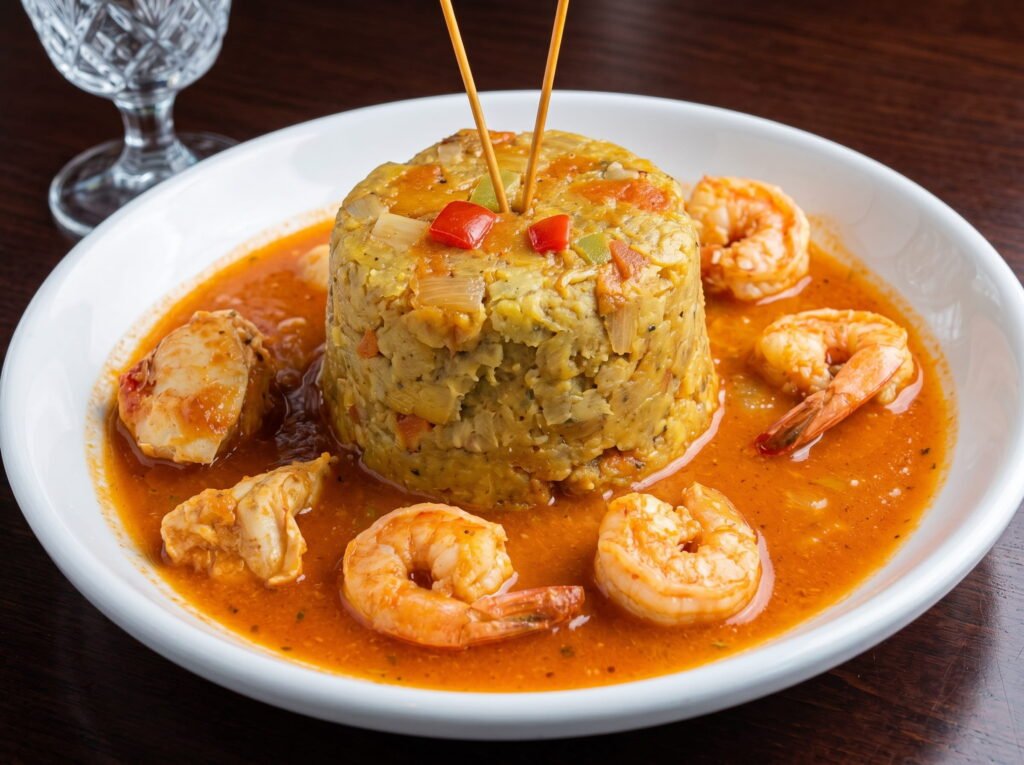
Piononos, mofongo, alcapurrias, bacalaítos — all these dishes taste completely different when prepared by a local cook making everyday food for locals, rather than by a restaurant built solely for tourists.
A Few Things That Aren’t Mistakes
Before you go, it’s important to know that the things that confuse first-time tourists aren’t actually that difficult.
Your US mobile phone works here without any international charges. The currency here is US dollars—so there’s no need for any exchange. And if you’re flying in from within the United States, you don’t need a passport because Puerto Rico is a US territory and the flight is considered domestic.
The island is small and compact, the people are very friendly, and the food and natural beauty here are truly spectacular. It’s best to keep your expectations flexible, get out of the city as much as possible, and give yourself enough time to really slow down and soak in the place. That’s the key principle of the whole experience.






4 Responses