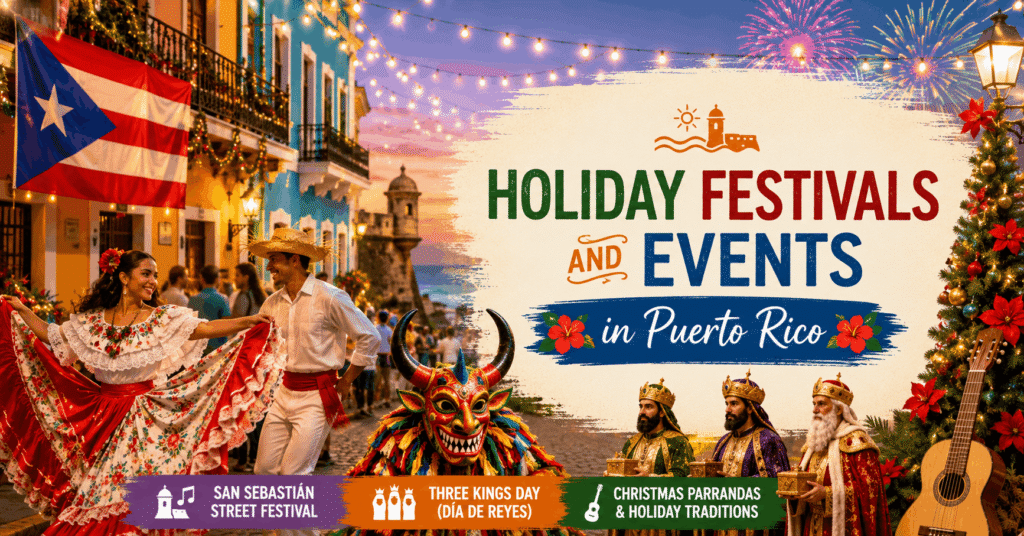
Let me tell you something about Puerto Rico that most travel guides don’t fully capture — this island doesn’t just celebrate holidays, it lives them. Deeply, loudly, colorfully, and with a genuine warmth that you feel in your chest before you even understand what’s happening around you.
Puerto Rico has one of the richest festival cultures in the entire Caribbean. The celebrations here are rooted in centuries of Taíno, Spanish, and African traditions that have blended together into something uniquely Puerto Rican. Whether you’re visiting in January, June, or December, there’s almost always something happening somewhere on the island worth planning your trip around.
Here’s an honest, personal rundown of the best holiday festivals and events in Puerto Rico — what they are, when they happen, where to go, and what to actually expect when you get there.
San Sebastián Street Festival — January, Old San Juan
The Biggest Street Party in the Caribbean
If you can only make it to one festival in Puerto Rico, make it this one.
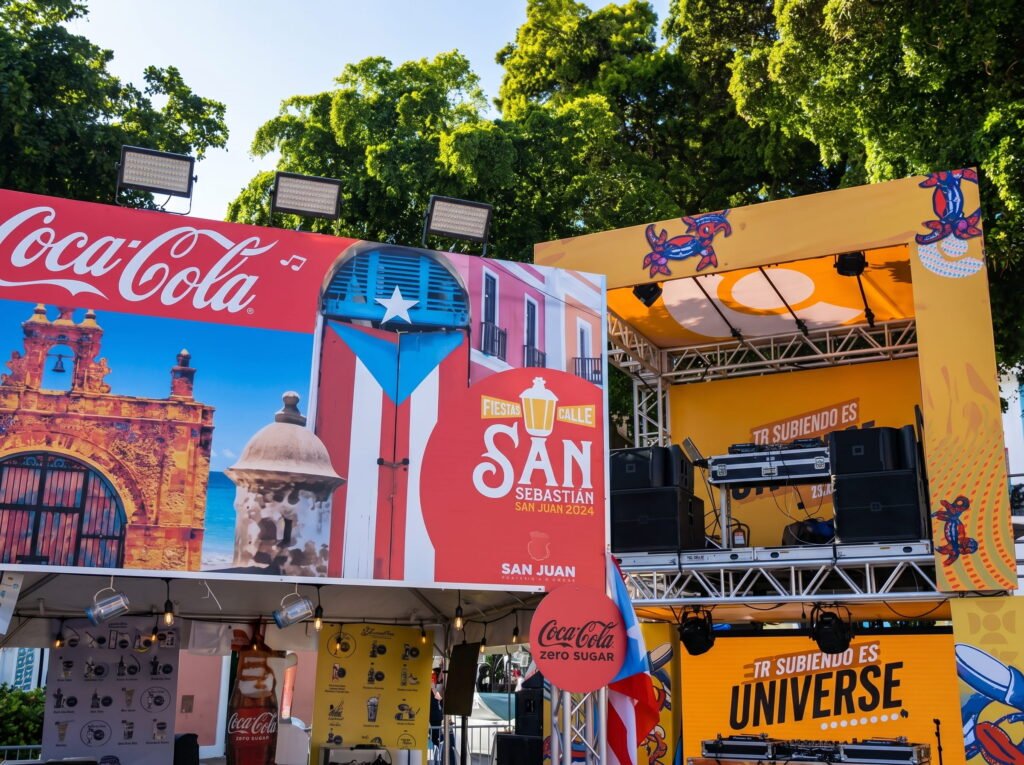
The Festival de la Calle San Sebastián — locals just call it SanSe — takes place every January in Old San Juan and it is, without question, one of the greatest street parties in the entire Caribbean. Four days of music, food, art, dance, and celebration that spills through the cobblestone streets of the old city and doesn’t stop until the early hours of the morning.
The festival celebrates the feast day of San Sebastián, but what it has grown into over the decades is something much bigger — a full cultural explosion that draws hundreds of thousands of people from across Puerto Rico and all over the world.
The streets fill with artisan vendors selling handmade crafts, vejigante masks — those incredible papier-mâché masks covered in horns and bright colors that have become one of Puerto Rico’s most recognizable symbols — local food stalls, bomba and plena music pouring out of every corner, and live performances on multiple stages set up throughout the neighborhood.
What to know before you go:
- Book your accommodation months in advance. Old San Juan fills up fast for SanSe and hotels charge premium rates.
- Go at night. The festival is wonderful during the day but it comes fully alive after dark when the music gets louder and the streets get more crowded and the whole neighborhood glows.
- Wear comfortable shoes. You will be on your feet on cobblestones for hours and you will not regret the sensible footwear.
- Try everything at the food stalls. Alcapurrias, bacalaítos, pinchos, cold Medalla — this is street food Puerto Rico at its absolute best.
Three Kings Day — January 6th, Island-Wide
The Holiday That Puerto Rico Takes More Seriously Than Christmas
In Puerto Rico, Christmas doesn’t end on December 25th. It ends on January 6th — the Feast of the Epiphany, known here as Día de Reyes or Three Kings Day — and in many Puerto Rican households, this is actually the bigger celebration of the two.
The tradition goes back centuries. Children leave grass and water outside their homes the night before for the camels of the Three Wise Men, and wake up in the morning to find gifts left in their place. Towns across the island hold parades with the Three Kings riding through the streets on horseback, distributing gifts and candy to children. Families gather for big meals, music, and the kind of celebration that reminds you what holidays are actually supposed to feel like.
The town of Juana Díaz is particularly famous for its Three Kings Day celebration, which draws visitors from all over Puerto Rico every year. If you happen to be on the island in early January, don’t assume the holiday season is winding down — it’s still very much in full swing and the celebrations are worth seeking out.
Ponce Carnival — February, Ponce
Masks, Color, and Centuries of Tradition
Ponce is Puerto Rico’s second largest city, located on the southern coast, and every February it hosts one of the most visually spectacular carnival celebrations in the Caribbean.
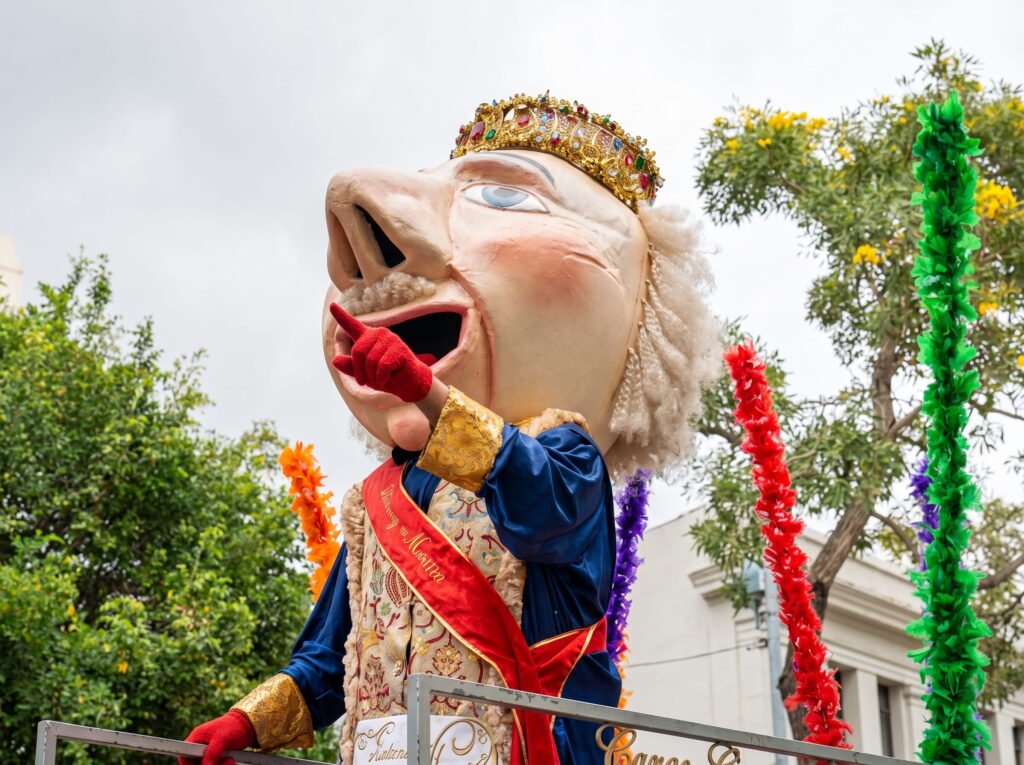
The Ponce Carnival has roots going back to the 18th century and it centers on the iconic vejigante — a masked figure in a costume covered with bright colors and elaborate papier-mâché masks featuring dozens of horns. The Ponce vejigante masks are different from the ones you see in other parts of Puerto Rico — they’re larger, more elaborate, and made with a distinctive style that’s been passed down through generations of local artisan families.
The carnival runs for about a week and includes parades, live music, dancing, food vendors, and a genuine feeling of a community coming together to celebrate something it’s genuinely proud of. The costumes are extraordinary — both the traditional vejigante masks and the more elaborate parade floats and costumes that local groups spend months preparing.
What to expect: It gets crowded, it gets loud, and it gets wonderfully chaotic in the best possible way. Go with an open mind and comfortable shoes and you’ll have a day you talk about for a long time.
Semana Santa — Holy Week, Island-Wide
When Puerto Rico Gets Quiet in the Most Beautiful Way
Semana Santa — Holy Week, the week leading up to Easter — is one of the most deeply observed religious periods in Puerto Rico, and experiencing it on the island is genuinely moving even if you’re not particularly religious yourself.
Churches across Puerto Rico hold processions, masses, and religious observances throughout the week. The streets of Old San Juan and other historic towns fill with candlelit processions in the evenings. Many families head to the beach for the Easter weekend — the beaches fill up like almost no other time of year — and the whole island takes on a slower, more reflective pace that’s actually quite beautiful after the noise of everyday tourist life.
A few practical things worth knowing: many businesses, restaurants, and government offices close or reduce hours during Holy Week. If you’re visiting at this time, plan your meals and activities ahead of time. And if you’re trying to go to Culebra or Vieques during Easter weekend — book everything months in advance. The ferries and flights sell out completely and the beaches reach their maximum capacity.
San Juan Bautista Day — June 24th, San Juan
The Night the Whole City Walks Into the Ocean
This is one of my favorite Puerto Rican celebrations to tell visitors about because it’s so unexpected and so genuinely beautiful.
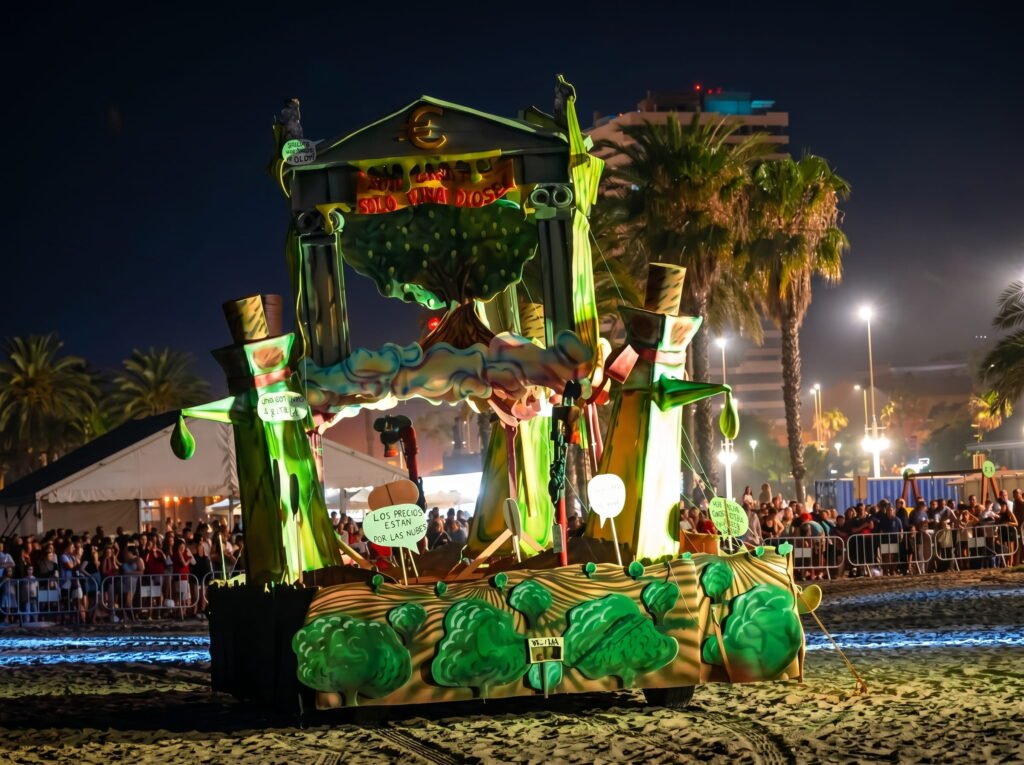
June 24th is the feast day of San Juan Bautista — Saint John the Baptist, the patron saint of San Juan — and the tradition that has grown around it is unlike anything else in the Caribbean. As midnight approaches, Puerto Ricans walk into the ocean backwards three times, a ritual believed to bring good luck and wash away the troubles of the past year.
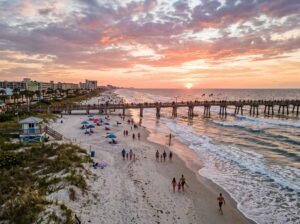
By the time midnight arrives, the beaches of San Juan — Condado, Isla Verde, Ocean Park — are filled with thousands of people wading into the warm ocean water under the night sky. It’s festive, joyful, and deeply communal. Beach parties and celebrations build throughout the evening with music, food, and dancing leading up to the midnight moment.
If you happen to be in San Juan on June 23rd or 24th and you’re wondering why the beach is filling up at 11 PM — now you know. Join in. Walking into the ocean backwards at midnight on a warm Caribbean night surrounded by people laughing and celebrating is an experience you won’t find anywhere else on earth.
Aibonito Flower Festival — June/July, Aibonito
The Mountain Town That Turns Into a Garden
Up in the cool central mountains of Puerto Rico, the small town of Aibonito hosts one of the island’s most beloved and genuinely lovely annual festivals — the Festival de las Flores, or Flower Festival.
Every year in late June and early July, Aibonito transforms into an explosion of color as local farmers and gardeners display thousands of plants and flowers in an open-air competition and exhibition that draws visitors from all over the island. The festival has been running since 1969 and it’s grown into a full celebration with live music, local food, artisan crafts, and the cool mountain air that makes Aibonito one of the most pleasant places in Puerto Rico to spend a summer afternoon.
The contrast with the coast is part of the appeal. Up here at elevation, the temperature is noticeably cooler, the pace is slower, and the whole experience feels like a different Puerto Rico from the beach resort version most visitors see. If you have a rental car and a free day in late June, the drive up to Aibonito through the central mountains is one of the most scenic routes on the island.
Loíza Carnival — July, Loíza
The Most African-Rooted Celebration in Puerto Rico
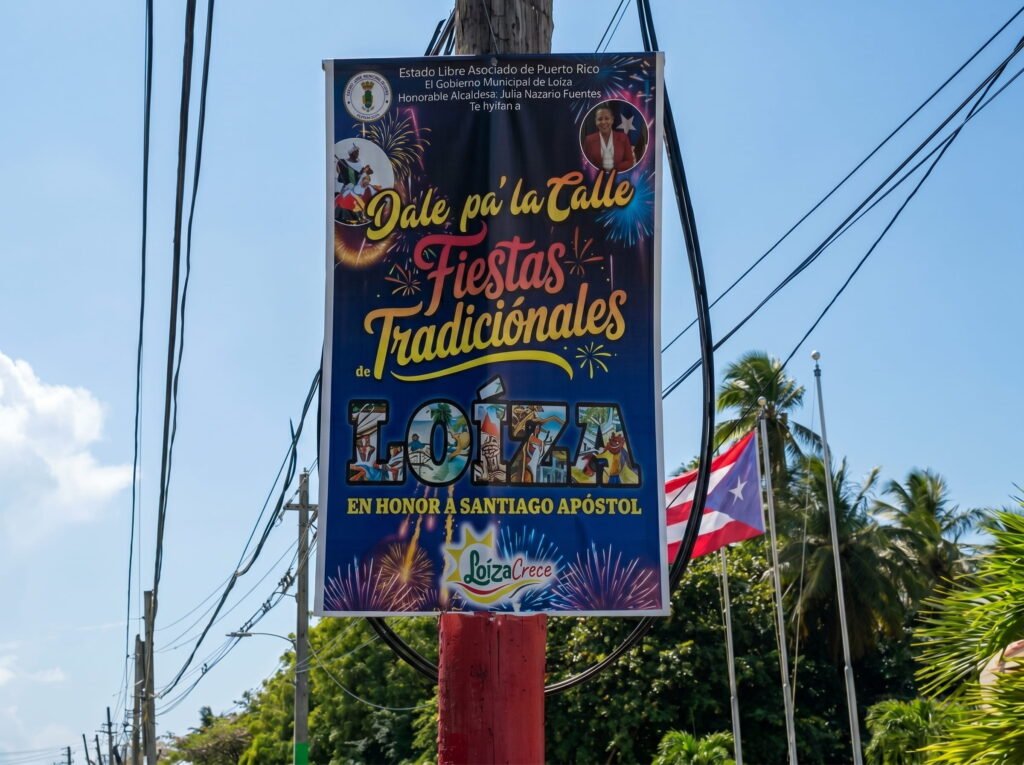
The town of Loíza, on Puerto Rico’s northeast coast, holds a very special place in the island’s cultural history. It has one of the highest concentrations of African heritage in Puerto Rico, and its annual carnival — held every July in honor of the patron saint Santiago Apóstol — is the most African-rooted, most deeply rhythmic, and most culturally significant festival celebration on the island.
The Loíza Carnival is famous for its bomba music and dance — the traditional Afro-Puerto Rican musical form that pulses through the whole festival — and for its own distinctive version of the vejigante costume. The Loíza vejigante masks are made not from papier-mâché like in Ponce, but from coconut shells, painted in vivid colors and carved into fierce, expressive faces that are genuinely extraordinary works of folk art.
The parades, the music, the costumes, and the overall energy of the Loíza Carnival feel rawer and more rooted than many of Puerto Rico’s other festivals. It’s a community celebrating an identity that has survived centuries of history, and you feel that depth in every drumbeat.
Worth knowing: Loíza is about 30 minutes from San Juan with a rental car. It’s an easy day trip and one that gives you a completely different window into Puerto Rican culture.
Puerto Rico Restaurant Week — Twice Yearly, Island-Wide
For the Travelers Who Come for the Food
Puerto Rico Restaurant Week happens twice a year — typically in the spring and fall — and for food-focused travelers it’s one of the best times to eat your way through the island. Participating restaurants across Puerto Rico offer special fixed-price menus that give you access to high-quality local and international dining at significantly better prices than you’d normally pay.
This is a great opportunity to try the upscale side of Puerto Rican cuisine — the elevated cocina criolla restaurants that take traditional dishes and reimagine them with quality ingredients and real culinary craft — without paying full à la carte prices. Book reservations in advance for the most popular restaurants because they fill up quickly during Restaurant Week.
Las Navidades — December Through January 6th
The Longest Holiday Season in the World
Puerto Rico has what might genuinely be the longest holiday season of any place on earth. Las Navidades — the Christmas season — begins in late November and doesn’t officially end until January 6th, Three Kings Day. That’s more than six weeks of celebration, music, food, and festivity.
During this period, the whole island comes alive in ways that are hard to fully describe until you’ve experienced it. Here’s what Las Navidades actually looks like on the ground:
Parrandas — Puerto Rico’s Version of Christmas Caroling Parrandas are one of the most beloved Puerto Rican Christmas traditions and one of the most genuinely fun things you can stumble into on the island. A group of friends and family shows up unannounced at someone’s home late at night — sometimes well past midnight — with guitars, güiros, maracas, and drums, playing aguinaldos (traditional Christmas folk music) and singing until the host wakes up and opens the door. Then everyone comes inside, the host provides food and rum, and the whole party moves on to the next house.
If you happen to be staying somewhere and a parranda shows up next door at 1 AM — don’t be annoyed. Go outside. It’s one of those only-in-Puerto-Rico moments.
Christmas Music Everywhere From early December, traditional Puerto Rican Christmas music — aguinaldos and villancicos — pours out of homes, cars, shops, and restaurants across the island. It has a distinctive sound that’s entirely its own — part Spanish folk music, part Caribbean rhythm — and after a few days you’ll find yourself humming it without realizing.
Plaza Navideñas Town squares across Puerto Rico are transformed into festive Christmas markets with lights, decorations, food vendors, and live music throughout December. The Plaza de Armas in Old San Juan is particularly beautiful during this season — the combination of the colonial architecture, the Christmas lights, and the warm tropical evening air is genuinely magical.
Coquito Season December is coquito season — the time when Puerto Rican families make large batches of their beloved coconut-rum holiday drink and share it with everyone they know. If someone offers you homemade coquito during Las Navidades, you say yes. Every family has their own recipe that they’ll tell you is the best one. They’re all right.
New Year’s Eve New Year’s Eve in Puerto Rico is a serious celebration. San Juan’s waterfront, Old San Juan’s plazas, and beach areas across the island fill with people ringing in the new year with fireworks, live music, dancing, and — naturally — more coquito.
Casals Festival — February/March, San Juan
World-Class Classical Music in a Tropical Setting
The Festival Casals is one of the most prestigious classical music festivals in the Americas, held annually in San Juan in honor of legendary cellist Pablo Casals, who made Puerto Rico his home in the 1950s.
For two weeks every year, some of the world’s finest classical musicians perform at the Centro de Bellas Artes Luis A. Ferré in Santurce — Puerto Rico’s premier performing arts center. The performances cover orchestral concerts, chamber music, and solo recitals at a genuinely world-class level.
If you’re a classical music lover and you’re planning a Puerto Rico trip, building it around the Casals Festival is absolutely worth doing. The combination of world-class performances and a Caribbean backdrop is a rare and wonderful thing.
Patron Saint Festivals — Year-Round, Across the Island
The Heartbeat of Puerto Rican Community Life
Perhaps the most authentic and most overlooked celebration tradition in Puerto Rico is the system of patron saint festivals — fiestas patronales — that happens in virtually every municipality on the island throughout the year.
Puerto Rico has 78 municipalities and each one celebrates its patron saint with a multi-day festival typically held in the town plaza. These festivals feature live music — salsa, merengue, bomba, plena — food vendors serving local specialties, carnival rides, artisan stalls, and a genuine community energy that you simply don’t get at the larger tourist-facing festivals.
The beauty of the patron saint festivals is that they’re happening somewhere on the island practically every month of the year. They’re also largely attended by locals rather than tourists, which means you get an unfiltered, unpretentious window into Puerto Rican community life that’s increasingly rare to find on an island that gets millions of visitors a year.
How to find them: Ask a local, check the Puerto Rico Tourism Company’s events calendar, or just drive through a town and follow the sound of music and the smell of food. You’ll find one eventually — and you’ll be glad you did.
2 Responses