Nobody warned me the hills would look like that in November.
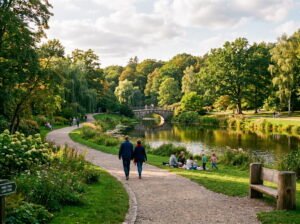
Golden oak canopies arching over the road, Spanish moss just hanging there like the city has nowhere to be. I came expecting a flat, sleepy government town. What I got was something else entirely — a place with actual personality, a downtown that moves, and enough nature within 45 minutes to fill an entire week.
I’m from Georgia. I thought I knew what the Florida-Georgia border region looked like. I didn’t.
Without wasting any time, let’s start best things to do in Tallahassee in one day.
Start Right in the Middle of Everything — the Historic Capitol
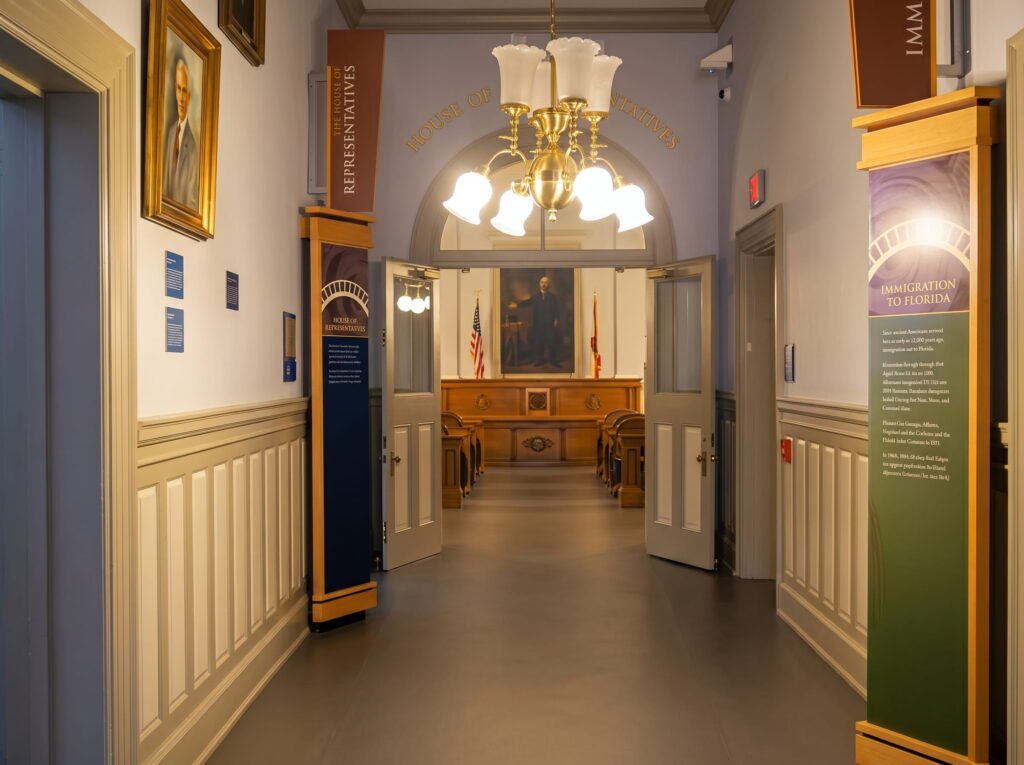
The first thing I walked up to downtown felt like stepping into a civics textbook that someone had actually made beautiful.
The original capitol building — completed when Florida became a state in 1845 — sits right there at the top of the hill. That classic dome. Southern columns. And it’s been restored to look exactly as it did in 1902, which means walking inside feels genuinely old in the best way. It’s free to get in, and I wasn’t expecting much. Pleasant surprise.
The historic “Supreme Court” chamber is in there. The old Senate chambers. You walk through rooms where actual decisions about Florida were made a hundred and fifty years ago. The air feels a little different in places like that — kind of heavy and quiet in a way that’s hard to explain.
Behind the old building towers the modern capitol. Twenty-two stories. Built in 1977. And here’s the thing — go to the top floor. Seriously, do it.
The entire level is wrapped in glass with a panoramic view of the whole city and a rotating art exhibition that I honestly didn’t expect to be that interesting. It was. Both buildings are completely free to explore.
A few things to know:
- The historic capitol is a working museum — take your time inside
- The modern capitol observation level is open to the public and undervisited
- Park once and walk between them — they’re steps apart
I’m Not a Car Person. This Place Changed That.
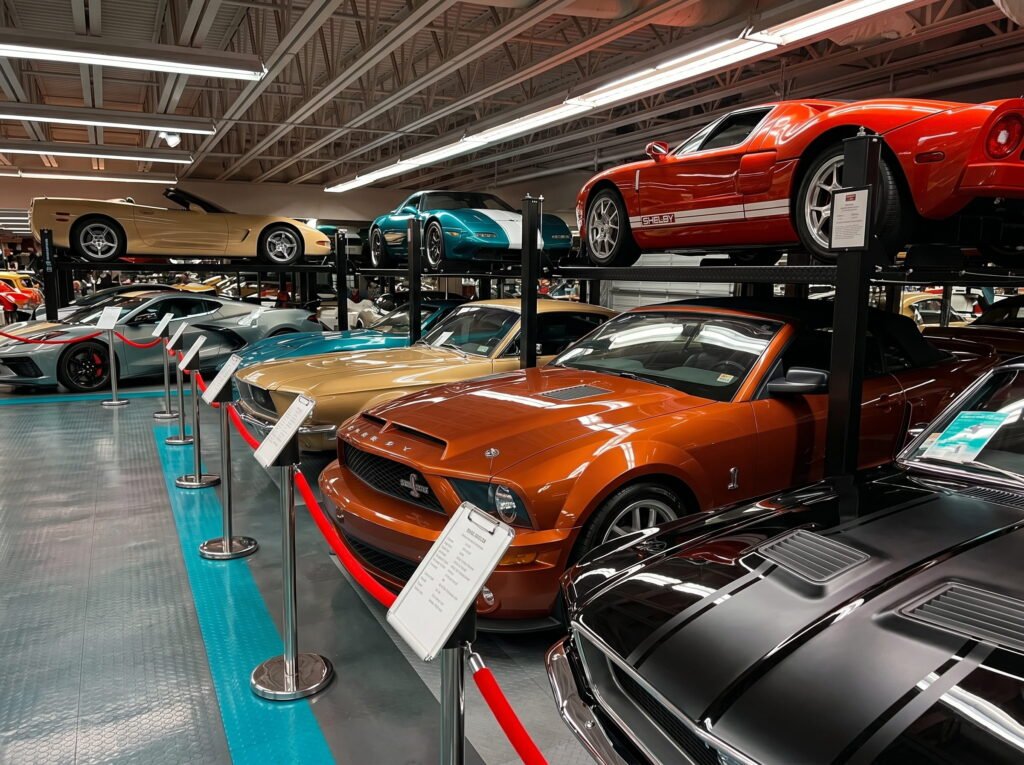
About eight miles outside downtown is the “Tallahassee Automobile Museum”, and I almost didn’t go.
Glad I did.
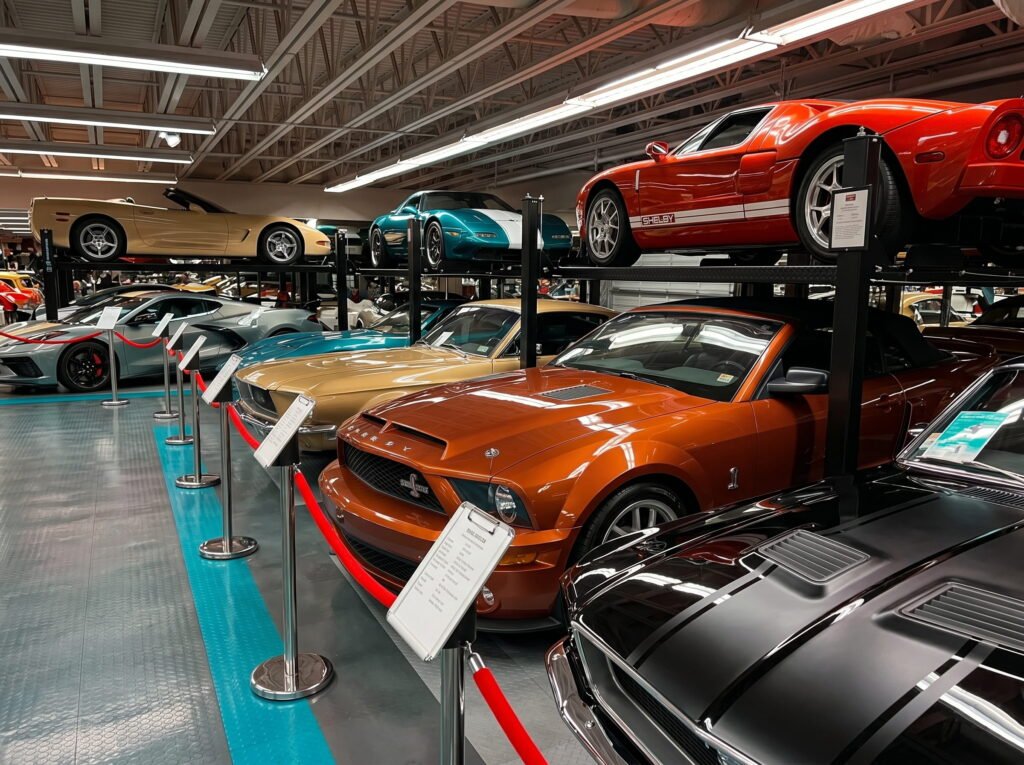
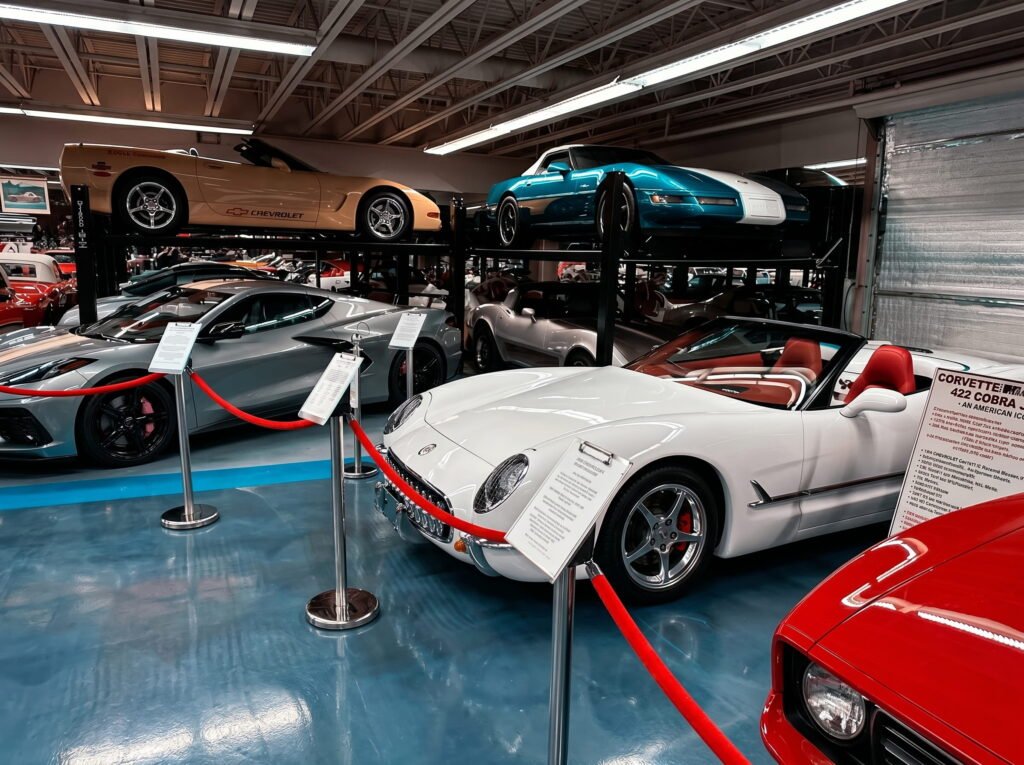
I thought I was walking into a garage with a few old Fords and some rope barriers. What I actually walked into was 100,000 square feet of things I couldn’t stop looking at.
Cars, yes — muscle cars, early models, concept cars from eras that felt like science fiction — but also Steinway pianos, antique cash registers, Remington sculptures, Native American artifacts, Barbie dolls, pocket watches, and three Batmobiles. Two of them were in actual movies. I stood in front of those for longer than I’d like to admit.
One reviewer called it the single greatest collection of stuff they’d ever seen. That’s not an exaggeration.
My planned hour there turned into about three. Admission runs around $17.50 per person if you go with someone else, or $20 solo. Worth every cent.
A few things to know:
- Weekday afternoons between 1–3 p.m. are least crowded
- No food or drinks inside, but you can leave and come back with your wristband until 5 p.m.
- Budget at least two to three hours — most people stay longer than planned
Railroad Square Hits Different on First Friday
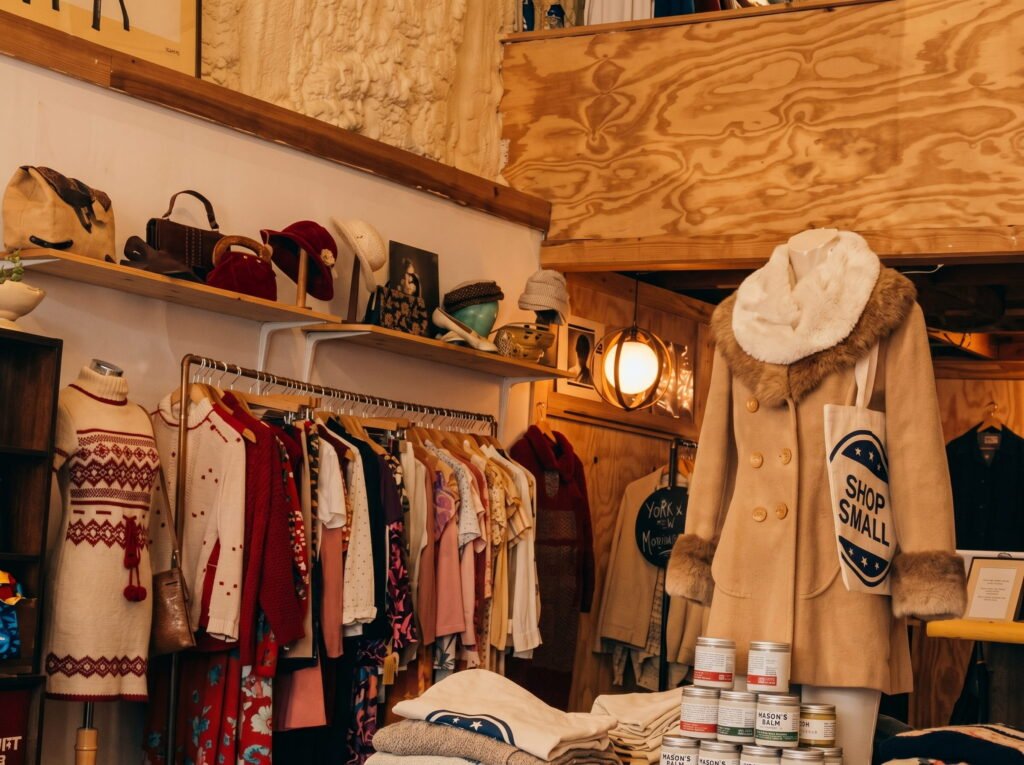
Downtown has a lot going on. But Railroad Square is where the city’s actual creative energy lives.
Every building is a mural. The whole district feels like someone decided blank walls were a crime. Galleries, vintage shops, studios, food trucks, a coffee spot tucked in a corner I almost missed — and on the first Friday of every month, the whole thing comes alive with live music, open studios, and people just wandering around like the night has nowhere to end.
I happened to be there in early November on a First Friday. The street smelled like food trucks and someone was playing guitar near the entrance. People were just sitting on curbs. I didn’t rush. You shouldn’t either.
It costs nothing to walk around. That’s a big part of why it works.
The Tallahassee Museum Doesn’t Feel Like a Museum
The name threw me. I expected display cases and information placards.
What it actually is: 52 acres of nature trail, native Florida wildlife, zipline courses, and historic buildings you can actually walk into. Admission is $17.50 for adults, with combo tickets that add zip line access starting around $30.
The first part of the trail is more exhibit-style — some science displays, the aerial adventure setup. But then the path opens into the swamp section and that’s where it gets real.
Florida bobcats. Cougars. Panthers. Watching a Florida panther pace back and forth behind the enclosure fence while the cypress trees behind it go blurry in the afternoon light — that’s the kind of thing that sticks. The whole trail has this smell of wet earth and warm wood that I keep thinking about.
I thought it would be more educational-poster energy. Turns out I was wrong. It’s one of the best things in the city.
A few things to know:
- Wear real shoes — the trails are uneven and it’s largely outdoors
- The zip line courses require a separate add-on ticket
- It’s closed Thanksgiving, Christmas Eve, Christmas Day, and New Year’s
Gaines Street vs. Madison Street — Know the Difference
Gaines Street is the family-friendly version of downtown energy. Clean sidewalks, good spots to eat, the kind of street you can walk with your parents and feel comfortable.
Madison Street is what happens when a college football game just ended.
I hit both on the same day. The Seminoles had a home game and by the time the crowd came pouring back downtown, Madison Street was blocked off by police because there were so many people. Someone was blasting “I Kissed a Girl” from somewhere. People were just walking in the street. A couple I talked to said it’s like that every game day — and honestly, any day of the week after dark.
I asked someone if Tallahassee was always this alive.
“Any day of the week it’s thriving,” she said. She wasn’t wrong.
The Drive South Alone Is Worth It
The rolling hills here genuinely caught me off guard. Florida is flat — everyone knows that. But this part of it isn’t. Oak canopy roads. Spanish moss. Antebellum architecture showing up around curves. It reminded me more of Savannah than anything I associate with Florida.
And 45 minutes south of downtown, the landscape shifts into something else entirely.
St. Marks National Wildlife Refuge. Over 86,000 acres. Marshland, coastal trail, forest — and a $5 entry fee per car that felt almost embarrassingly cheap for what you get.
The trail I did runs right along the water. Marsh on one side, Gulf on the other. About a mile loop. Quiet enough that you can hear birds you can’t see. Depending on when you go — fall, especially — monarchs, deer, otters, and alligators are all common. I saw birds I couldn’t name and spent more time than planned just standing still.
In the same parking lot as the trailhead sits one of the oldest lighthouses on the Gulf Coast. Built in 1831. Survived wars and multiple hurricanes.
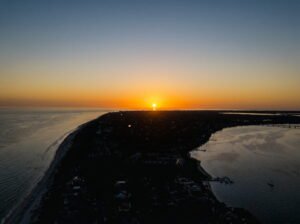
You can’t climb it but you can walk right up to it while the marsh stretches out around you. I was there at sunrise. The light hit the water and I genuinely stopped moving for a few minutes. Completely still. Just quiet.
Wakulla Springs Is Almost Unfairly Beautiful
On the way back north, you’d be making a real mistake to skip “Edward Ball Wakulla Springs State Park“.
Entry is $6 per car. That’s it.
The water is a color that doesn’t feel real — deep sapphire, clear enough that you can see the bottom of the spring from the surface. The springs rank among the largest and deepest freshwater springs in the world.
And the 45-minute guided riverboat tour (around $8 for adults, $5 for kids) goes downstream past alligators — some of them enormous — osprey nests, manatees during the right season, and cypress trees draped so thick they block the sky.
They filmed Tarzan here. And the creature from the Black Lagoon. Standing on the bank, I could see why.
There’s a high dive platform for swimming when the water’s open. You drop straight into spring water that holds at 70 degrees year round. The kind of cold that shocks you into feeling very, very awake.
A few things to know:
- Manatees are most reliably spotted January through February
- The Emerald Sink is currently closed for permitted research (as of 2026)
- Get there before 10 a.m. on weekends if you want a quiet experience
Sinkholes in the Forest — Leon Sinks Is Worth the Detour
Ten minutes from Wakulla Springs, also inside Apalachicola National Forest, is the Leon Sinks Geological Area.
No fee to enter the forest itself. The trail winds through Woodville Karst Plain — an area where limestone bedrock dissolved over time and left behind sinkholes, underground cave systems, and springs that sit open to the sky like windows into the earth.
The water in the springs there is almost turquoise. Not quite, but close. It shifts depending on where the sun is. I stood at the edge of one and watched fish moving around in the clear depths and thought about how strange and underrated this whole corner of Florida is.
It’s a real hike — not brutal, but actual trail walking through actual forest. Plan for 45 minutes to an hour and bring water.
Black Dog Cafe and the Live Oaks That Never Get Old
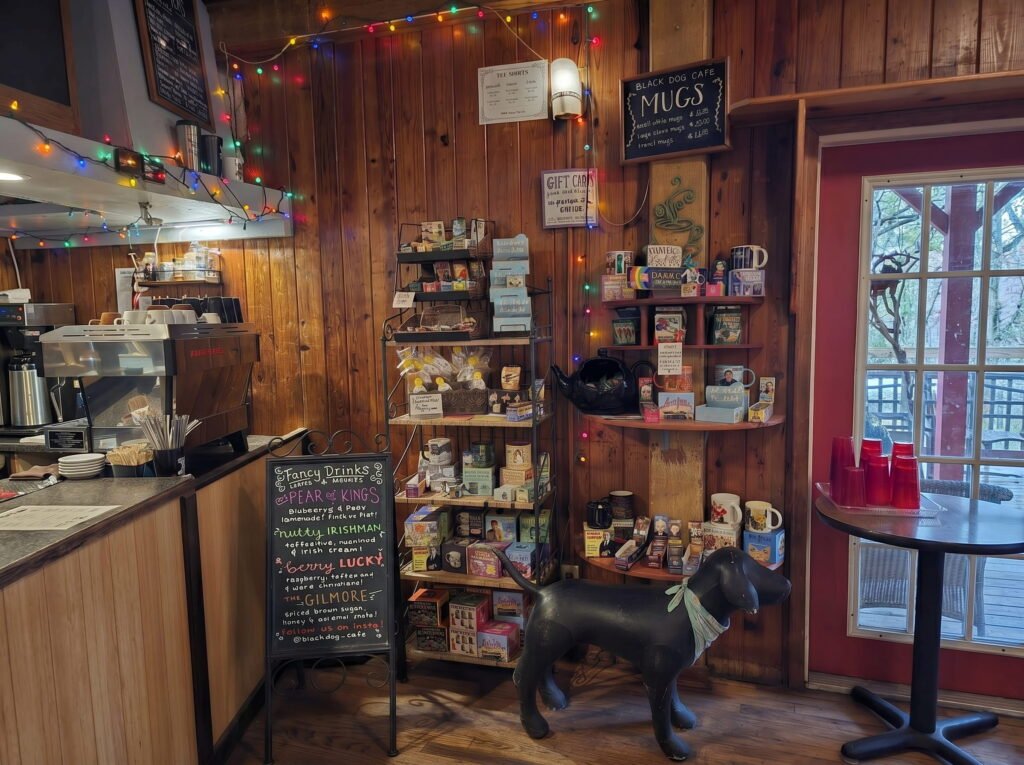
By 1:00 p.m. I needed coffee badly.
“Black Dog Cafe” is one of the highest-rated spots in the city and sits surrounded by enormous live oak trees. The kind of trees that make you realize the building was built around them, not the other way around. I got black drip coffee because I was running on fumes and didn’t need anything complicated.
It was good. Really good, actually. The kind of coffee that tastes better because of where you’re drinking it — outside, under those trees, with the sun coming through in pieces.
I’ve visited a lot of famous trees on this channel. I don’t know why live oaks never stop being impressive. They just don’t.
FSU Is Genuinely One of the Most Beautiful Campuses I’ve Seen
I went to the University of Georgia. I thought UGA was hard to beat.
Florida State University is better looking. I’ll just say it.
Founded in 1851, FSU is open to walk around for free — though parking is a genuine nightmare, so drive through slowly or just park somewhere nearby and go on foot. The canopy roads on campus alone are worth it. Live oaks over every path. The same Spanish moss from out on the highway somehow even thicker here.
I stood there thinking about being 25 minutes from the beach and having all of this on your doorstep. If I could go back and choose somewhere to go to school, honestly, it might be here.
Masa for Lunch and a $5 Time Machine
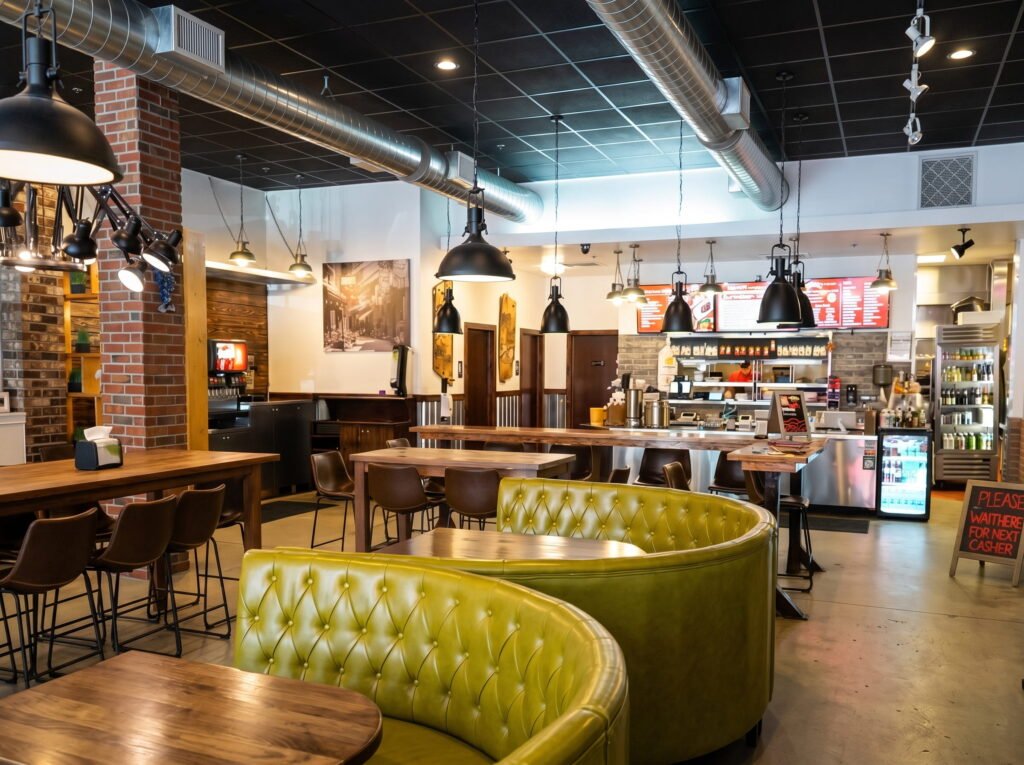
Near the “Black Dog Cafe” area, Masa serves sushi that’s better than you’d expect from a college town. I got the salmon and tuna roll. Spicy, fresh, good ginger. The kind of lunch where you feel like you made a smart decision.
And about a mile from there — Lichgate on High Road. A live oak tree that’s roughly 250 years old. Free to visit. The trunk is MASSIVE. Limbs stretching sideways so wide they practically make their own sky. It sits on a historic property that also hosts weddings, but you can just walk up to the tree anytime. I’ve stood next to a lot of old trees. This one is something else.
The Mission That Was Burned and Rebuilt
Mission San Luis sits about a mile from Lichgate, and most people blow past it. That’s a mistake.
In 1656 this was the western capital of Spanish Florida. Thousands of people — both Spanish colonists and Apalachee people — lived here, shared this ground, built something together. In 1704 it was burned during conflicts with British forces and their Native American allies. Nearly three hundred years later, they reconstructed it.
Walking through the rebuilt church, the council house, the fortifications — it’s the kind of place that makes history feel physical instead of abstract. Costumed interpreters are on site. Admission is $5 for adults, $3 for seniors, $2 for kids. Open Tuesday through Sunday, 10 a.m. to 4 p.m.
It was only five dollars. I genuinely got more out of it than things that cost ten times as much.
One Last Thing About This City
I ended my last night back at the campground — the only way I can afford to travel like this — and I sat there thinking about how Tallahassee had outrun every assumption I walked in with.
The hills. The springs. The moss on every road. FSU kids spilling out into Madison Street after dark. A lighthouse that’s been standing since 1831. Turquoise water in a sinkhole in a national forest that most people have never heard of.
I’m from Georgia. I should have come here sooner.