We came to Harrogate expecting pretty gardens and maybe a nice cream tea. That was it. That was the plan. Neither of us had particularly high expectations if I’m being honest — we’d actually tried to visit back in 2023, got here so late we saw practically nothing, and figured we’d give it a proper go three years later.
What followed was one of those days where you keep looking at each other going why did we wait this long.
From the grand architecture to the Royal Pump Room, this place is genuinely full of surprises. And when we stumbled onto the Stray and saw the cherry blossoms — oh my gosh. That alone was worth the trip.
Things to Do in Harrogate at a Glance
📍Bettys
📍Royal Pump Room Museum
📍Lunch at The Fat Badger
📍Valley Gardens
📍Old Swan Hotel
📍The Stray
📍Tewit Well
📍The Stray and the Cherry Blossoms
We Had to Start at Bettys. Obviously.
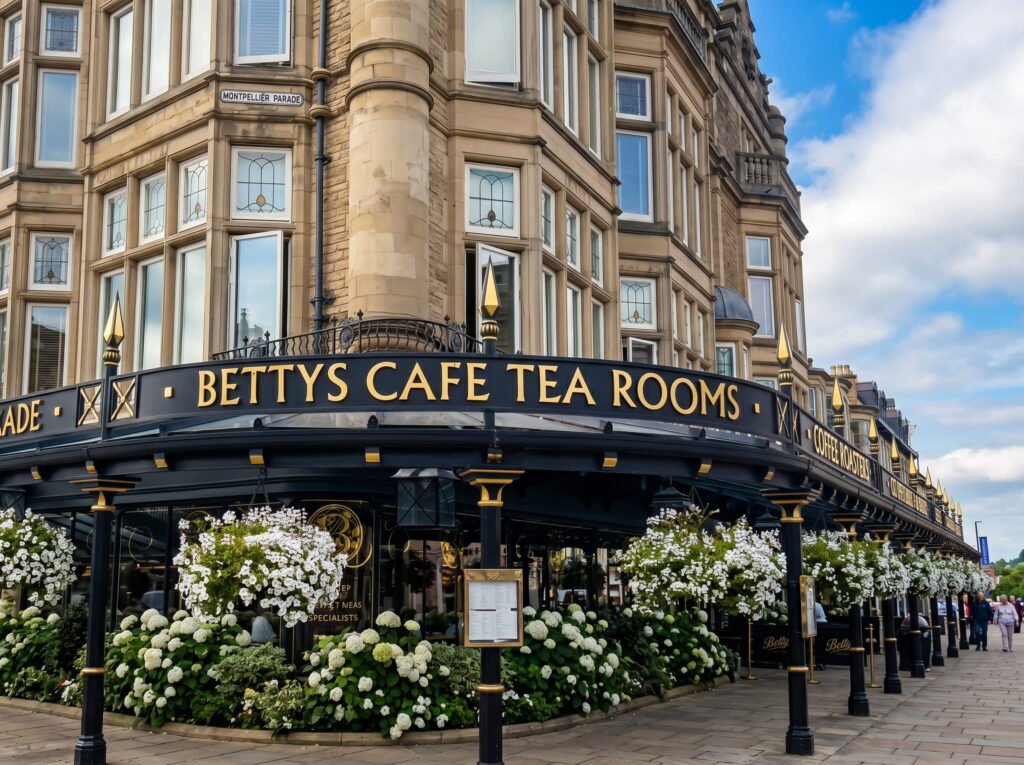
Bettys is the reason most people come to this town in the first place. We’ve been to the York branch loads of times and absolutely love it, so walking up to the original one felt like a proper occasion.
We got there just after it opened. There was no queue outside — which felt like a win — but we were still told it’d be about a 25-minute wait for a table. Fine. Completely fine. We can do that.
And honestly? I’m not sad about having a cream tea for breakfast. Not even a little bit. You could smell it before you even got through the door. It was calling our name.
Once we were seated, the table filled up fast. “Diyana (my wife)” went for cream tea but swapped the tea for coffee because she doesn’t do tea — classically Diyana. I went for the musli bircher, telling myself it was the healthier option, while fully planning to steal bites of the fat rascal. Which I did. And it was worth it. It tasted like shortbread almost, which I don’t remember from before. Very sweet. Very good.
The thing I love most about Bettys is you can sit there in a hoodie and still feel fancy. There’s genuinely no judgment. It just has this atmosphere that makes everything feel a bit special without making you feel like you don’t belong.
Prices to know: Walk-in meals run roughly £12–£20 per person. Coffee starts around £5–£6, a pot of tea around £5. If you want the full bookable afternoon tea in the Imperial Room upstairs, that’s £44.95 per person and needs to be reserved in advance.
After we ate, we nipped into the shop — we always grab a bag of their classic blend coffee to take home — and because it was Easter weekend, they had hot cross buns on too. Diyana also spotted a £395 Easter egg in the window. We did not get that.
The Royal Pump Room Museum (and It’s Not Free, Just So You Know)
What it is, though, is genuinely fascinating — and I say that as someone who went in with pretty low expectations of a small local museum.
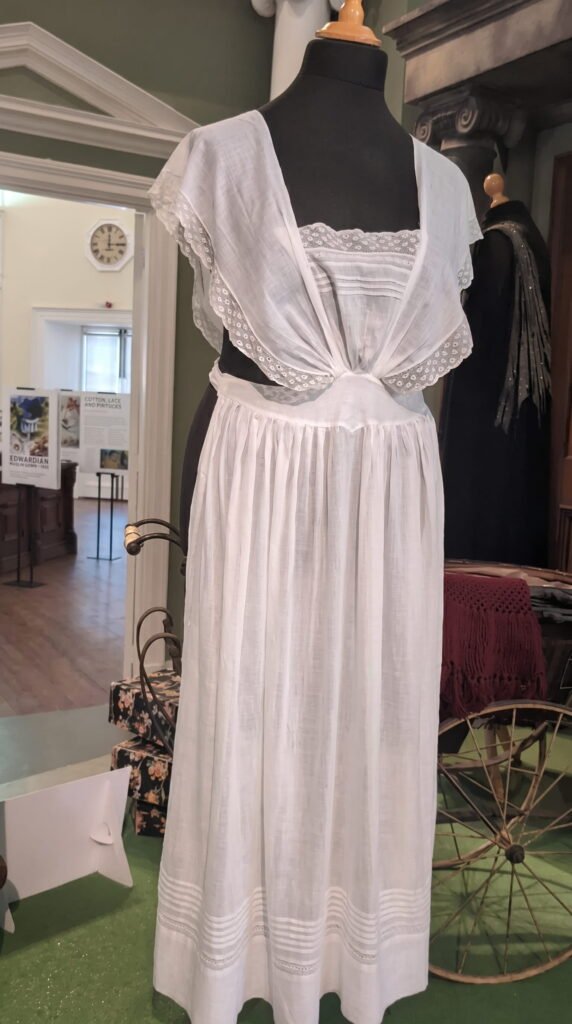
Harrogate used to be a spa town. A proper one. At its peak, over 15,000 people came every single summer to drink from the sulphur wells here. The Pump Room — built in 1842 — was where all of that happened, and now it’s a museum that tells that whole story really well. The staff were brilliant.
Super friendly, gave us loads of information, and even told us where to find the spot that’s on the souvenir magnet we bought. (We did try to go recreate the photo later. There are trees and scaffolding in the way now. It was a good idea in theory.)
The sulphur well is still inside the building. You’ll smell it the second you walk in. It absolutely stinks of egg. Apparently people drank up to five glasses of this stuff per day — and the reason all the grand hotels are clustered so close to the Pump Room is because those five glasses had a very particular and very urgent effect. You needed to be near your hotel. Quickly.
There’s also a video narrated by a local guide called Harry, who we kept running into all day — he does free walking tours around town and is clearly a bit of a local legend.
Admission: Adults £4.40, children up to 16 £2.50, concessions £3.40, family ticket up to five people £13. Open Tuesday to Sunday, 9:30am to 5pm — closed on Mondays, which is worth knowing before you plan your visit.
Lunch at the Fat Badger
We’d booked ahead for lunch — good call on Easter Sunday — at the Fat Badger on Cold Bath Road. It shares a building with the White Hart Hotel and it is, in a word, fancy. We felt significantly underdressed. I probably shouldn’t have worn a hat. Diyana probably shouldn’t have worn a hoodie. We managed.
The Sunday set menu is the move here. Two courses for £17.95, three courses for £21.95 — and for what you get, that is genuinely good value. Diyana went for the pork roast, which came with stuffing and applesauce (she was very excited about the applesauce), and the Yorkshire pudding was absolutely massive. I went for the fish and chips — haddock, not cod, which I was happy about — and held the mushy peas because they’re gross. That’s a hill I will die on.
Warner from our family went for the beef roast, which if I ever were to have a roast would probably be my choice too. There are shared veg sides, it all just keeps coming, and then sticky toffee pudding for dessert on top of everything we’d already eaten at Bettys that morning. Technically I’m on holiday. That’s my excuse. I’m using it.
Valley Gardens Is Stunning. Especially in Spring.
After lunch — stuffed, very stuffed — we needed to walk. Luckily, this town is basically made of green spaces.
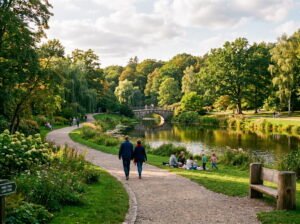
Valley Gardens is right there and it is beautiful. All the trees are in blossom, flowers everywhere, and because it was a clear blue sky day (we’d been warned it was going to be 80% rain so we felt incredibly smug), it looked like somewhere that doesn’t quite belong in real life.
We wandered for a while, and then completely by accident found the Garden of Serenity — a little Japanese garden tucked into one corner of the grounds that we hadn’t even been looking for. We love a Japanese garden. This one is gorgeous. Easy to miss if you’re not paying attention, which is exactly why it felt like such a good find.
Just outside the gardens, there are two brown heritage signs next to each other on neighbouring houses. One marks where Tolkien stayed while recovering from trench fever after the First World War. The other is for someone called Thomas Rutling, who we knew nothing about. We only noticed because we walked past and I said “what does that one say?” They put them right next to each other, which seems specifically designed to confuse tourists. We were confused.
The Old Swan Hotel and the Agatha Christie Connection
This was a stop specifically requested by my sister Qurat, who is very into the Agatha Christie disappearance story — and if you don’t know it, here’s the short version: Christie went missing for eleven days in 1926 and nobody could find her. Turned out she was here in this town, staying at the Old Swan Hotel under a false name, apparently completely fine.
The hotel is beautiful. Grand, old, the kind of place that feels like it has stories in the walls — which it does, literally. They think they know which room she stayed in. It’s room 253. Staff told Qurat when she went in to look around, while the rest of us stood outside slightly worried she was going to pull a Christie and disappear for a fortnight.
Slightly ironic that they now run murder mystery nights here. Actually, that’s not ironic at all. That’s just brilliant.
The Stray and the Cherry Blossoms
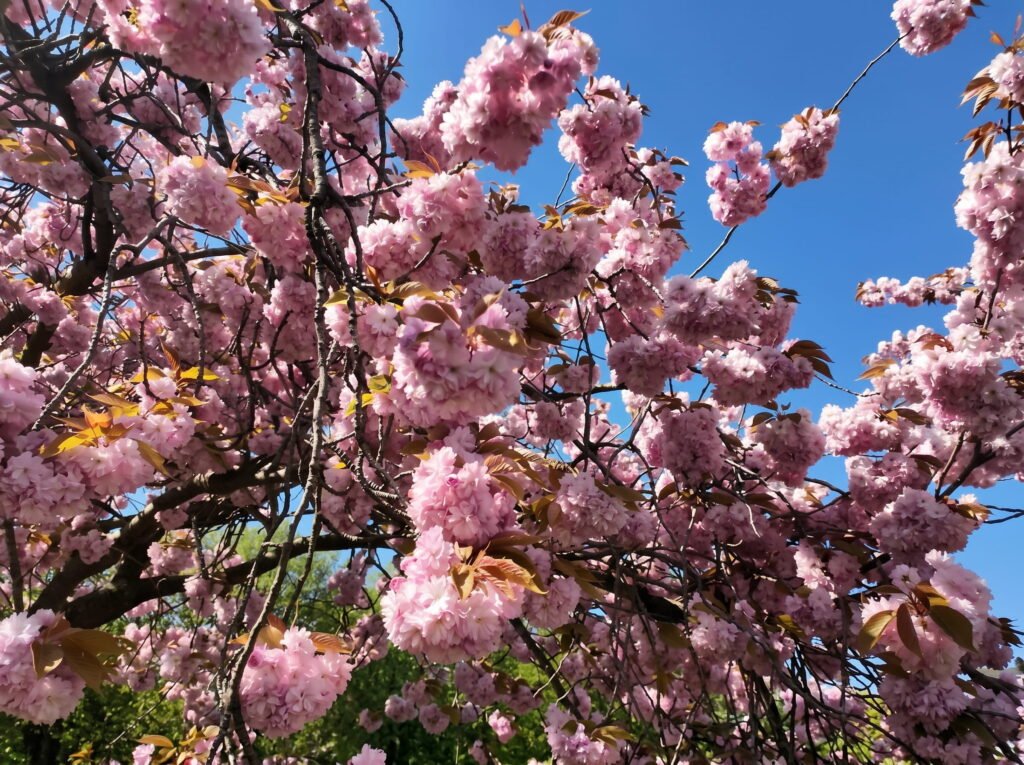
We made our way up to the Stray — another of the town’s huge open green spaces, protected by ancient common rights — and I genuinely was not prepared for what we found. Cherry blossoms. Everywhere. The kind that make you stop walking and just stand there for a moment.
We happened to hit them at absolutely the right time. The blossoms were fully open, just starting to fall, petals drifting down in the breeze. Another week and they’d be mostly gone.
We’d been wandering around all day thinking it felt quiet, wondering where everyone was. This is where everyone was. Absolutely heaving with people. Selfie sticks everywhere. Completely fair. You’d do the same.
Because of that, the actual thing we’d climbed up there to find was almost entirely deserted — which made it feel like a proper discovery. The Tewit Well sits nearby, easy to walk straight past if you don’t know it’s there. This is the very first mineral spring ever found in this town, back in 1571.
Everything — the spa trade, the pump room, the grand hotels, the Victorian visitors in their thousands — all of it started here. One small spring. Worth a minute of your time.
A Few Things Worth Knowing Before You Go
Walking tours with Harry: He’s a local guide who runs free walking tours and is clearly beloved around here. We kept bumping into him all day. Check ahead and book a spot because they fill up — and if you get the chance to do one, do it.
Timing the blossoms: If you’re coming for the cherry blossoms on the Stray, late March through mid-April is your window. It’s short, and it very much depends on the year, but when it’s right, it’s properly spectacular.
It’s a great base: As much as there’s plenty to do in the town itself, it’s also a brilliant place to stay and use for day trips. York is 20 minutes by train. The Yorkshire Dales are on the doorstep. Knaresborough is literally the next town over and well worth an afternoon.
When we were planning the day, we genuinely didn’t know what we were going to do here. It didn’t seem like there was much on paper. But as soon as you arrive and see how beautiful it is and feel how relaxed the pace is — you just get it. Good food, good places to drink, green spaces everywhere, and if you get weather like we did, you don’t really need a packed itinerary. You just need to be there.


3 Responses