I didn’t fully understand this food until I actually ate it here. Growing up hearing about it is one thing. Standing at a roadside window with a hot alcapurria burning your fingers while a cold Medalla sweats in your other hand is something else entirely.
This island fed me better than almost anywhere I’ve ever been. The food here is bold, generous, deeply rooted in history, and completely unashamed of being heavy. Leave your diet at home. You’re going to need the room.
Here are the foods to try in Puerto Rico and every price worth knowing.
Breakfast Foods You Need to Try
Farina and Oatmeal — Rico Pan Bakery
Start your mornings the local way. Farina is a warm, creamy wheat porridge served slightly sweet and silky smooth. The oatmeal here is nothing like what you’ve had before — cooked down slowly with milk until the starches release, finished with cinnamon, and glossy in a way that makes you stop mid-bite.
Both cost under $2 each. For that price, you’ll be comfortably full until lunch. I’ve had oatmeal my entire life and none of it came close to this.
Pan de Mallorca — Panadería España
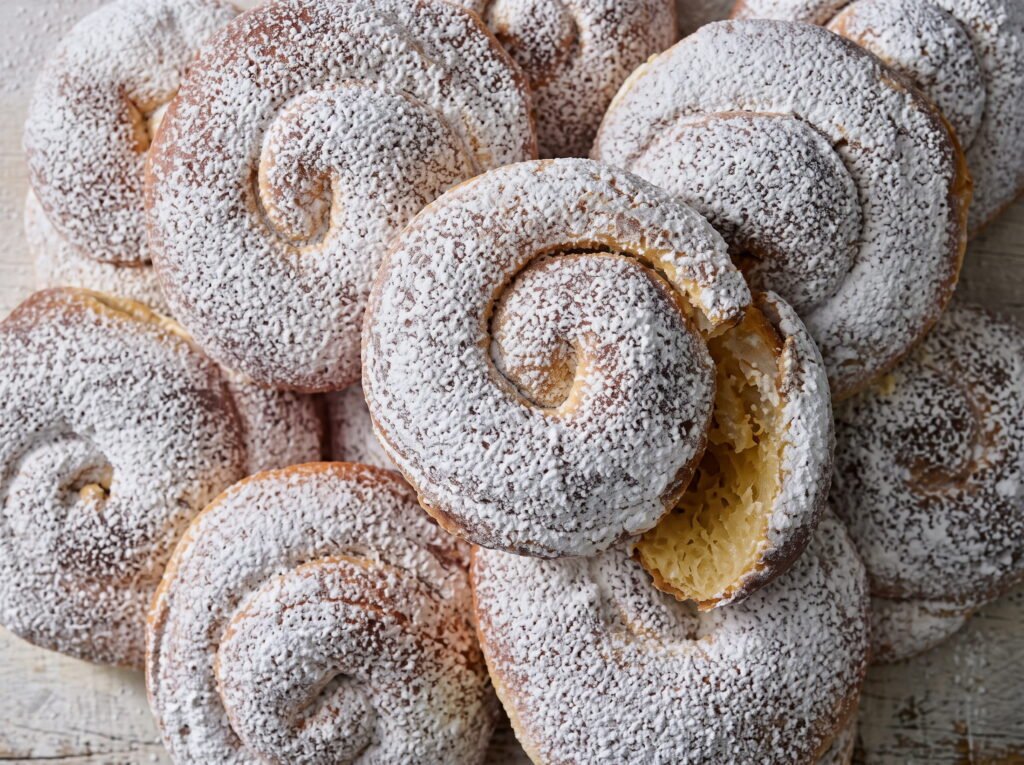
This is a tightly rolled pastry with a beautiful yellow color and a citrusy, almost orange extract flavor. It’s light, a little sweet, and made to be dipped into your morning coffee. Once you do that, you understand why locals have been eating this for generations.
Priced around $1.50–$2, it’s one of the best value bites on the island. The Spanish influence on the baking culture here is strong, and pan de mallorca is one of the finest examples of it.
Read: Things to do in Puerto Rico
Spanish Tortilla — Panadería España
Not to be confused with a Mexican tortilla — this is a thick, baked egg and potato dish straight from the Spanish tradition. Packed with potato, garlic, and onion, it has a texture that sits somewhere between a dense frittata and a giant savory French fry. Rich, filling, and surprisingly comforting as a breakfast.
A generous portion costs around $4–$6.
Revoltillo Sandwich — Antique Bakery
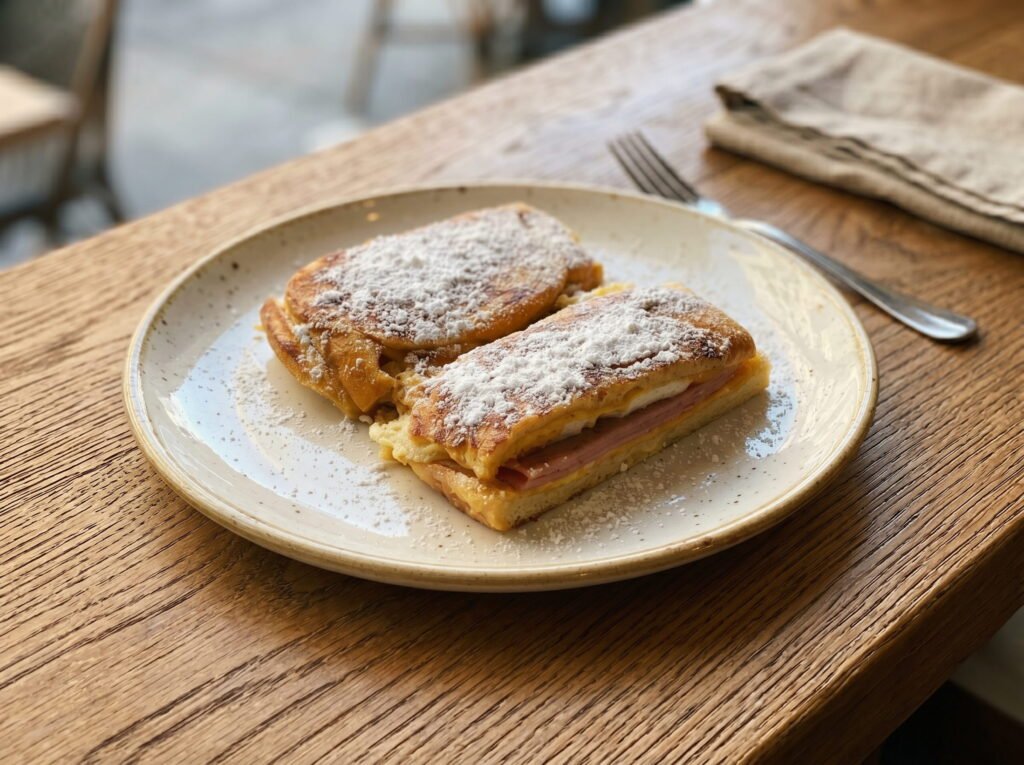
This is the breakfast sandwich that deserves far more credit. Scrambled eggs with ham, peppers, and onions, pressed hot into pan sobao — a soft, buttery local bread that gets doughy and dense right in the center where it’s smashed. The butter is salty. The egg is piping hot. The cheese melts through everything.
My mother asked me before this trip to bring her back a loaf of pan sobao if I could. One bite and I completely understood why.
Sandwiches here run $3–$5. Simple price for something genuinely memorable.
Street Food and Market Finds
Fresh Tropical Fruits — La Plaza del Mercado de Santurce
Before diving into the heavier food, spend some time at the Santurce market. Fresh coconut water cracked open right in front of you. Tamarind pulled straight from the shell — sour, juicy, and more intense than anything packaged. Passion fruit halved and eaten with a drizzle of honey that perfectly cuts the tartness.
Most fruits cost $1–$3 each and vendors are happy to show you how to eat them properly. It’s the freshest, most unprocessed food you’ll find anywhere on the island.
Limbers
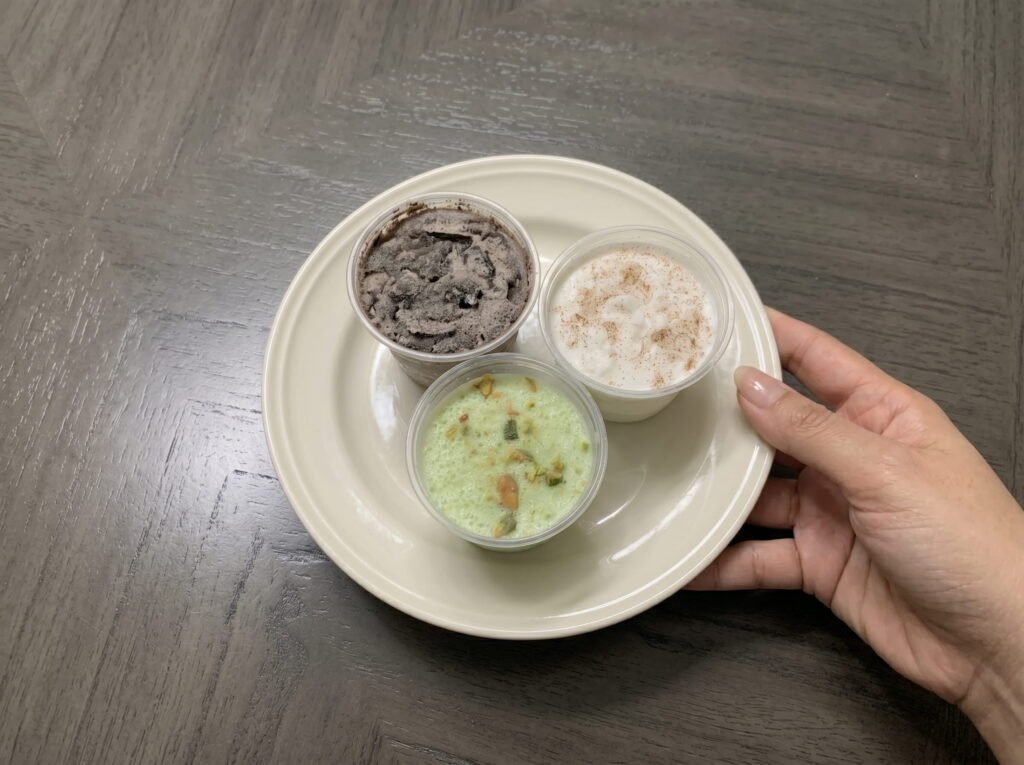
These are the local version of a frozen treat — typically fruit juice or coconut cream frozen solid inside small cups. You hold them in your warm hand and wait for them to soften just enough to push up and eat.
The coconut flavor is the one that gets you. It’s sweet and creamy with the fat rising to the top, almost like sweetened coconut cream on the first taste. The tamarindo version is sweeter than raw tamarind but carries that same deep, familiar flavor.
A limber costs $1–$2. Cheap, cold, and quietly one of the most special things you can eat here.
Pinchos — Kioskos de Luquillo
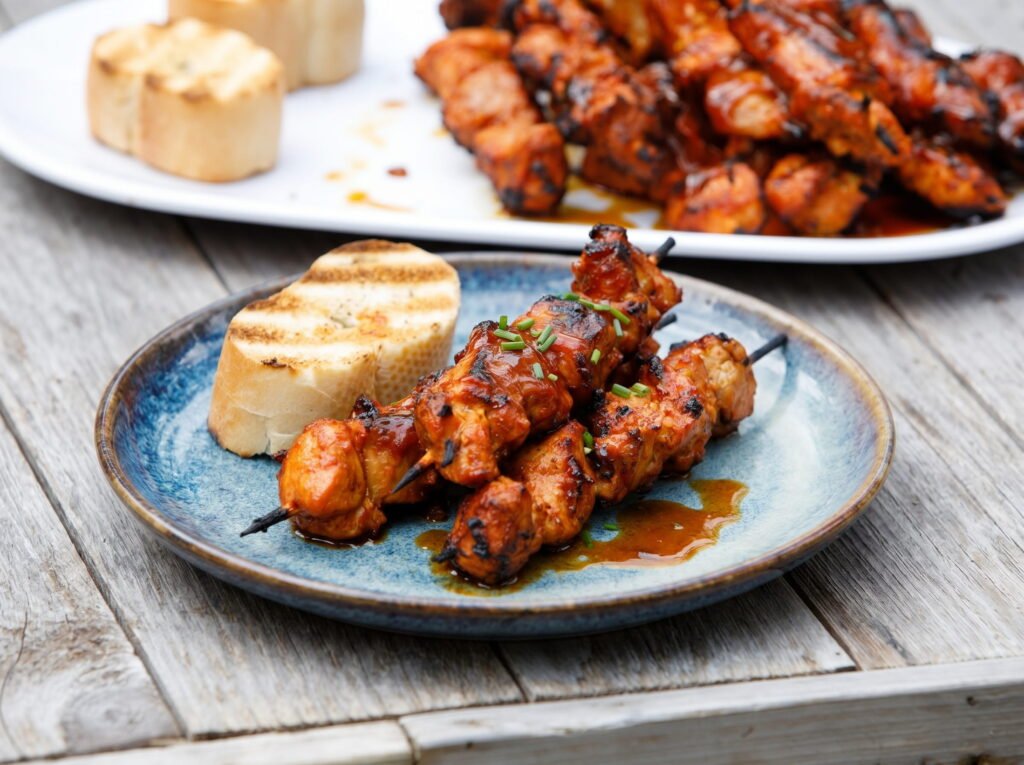
Pinchos are skewers of grilled pork and chicken, brushed generously in barbecue sauce and served with a piece of bread rubbed in ajo — a garlic marinade. The barbecue here is not sweet like American BBQ. It’s smoky, tangy, and slightly vinegary, and the flavor penetrates all the way through the meat.
Each skewer costs around $3–$5 and they’re generous in size. The garlic bread on the side sounds like an afterthought but it’s buttery and fresh and you’ll eat it faster than the meat.
Bacalaitos
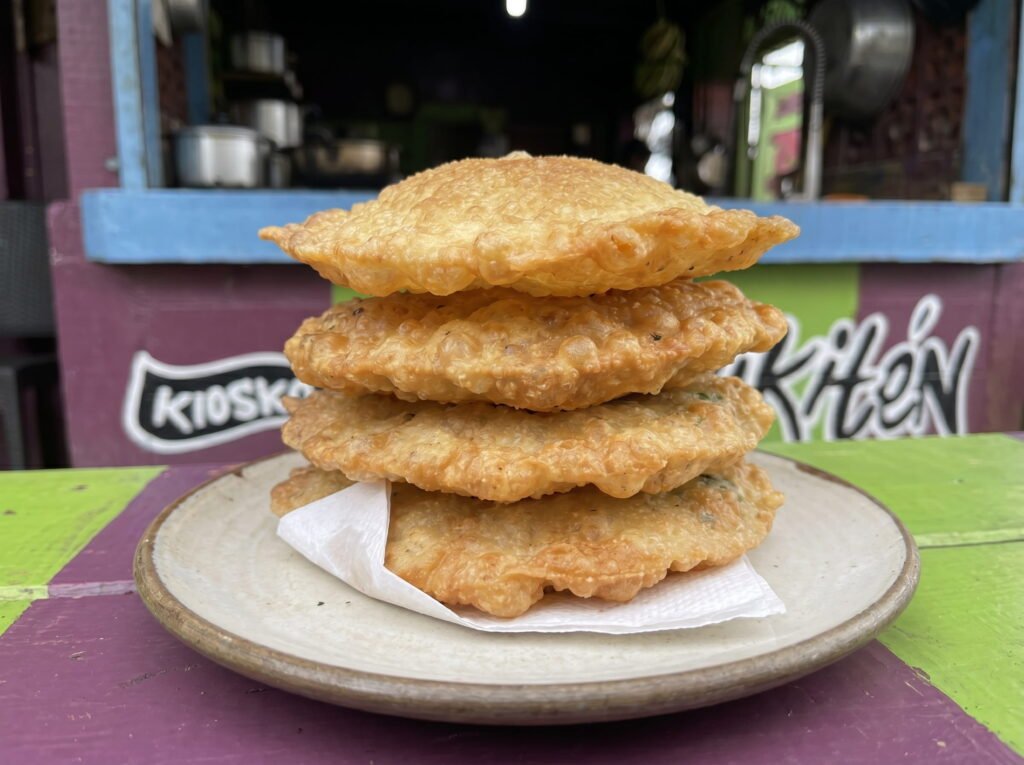
A bacalaito is a large flat fritter made from a thin batter of flour and minced salt cod, fried until the edges are almost translucent and the whole thing shatters when you bite in. You don’t really see the fish — it’s minced so finely it disappears into the batter — but you taste it throughout. Subtly salty, fried, deeply savory.
The texture is like a crispy crepe. The fritters here are mastered to a level that’s hard to find elsewhere.
Each bacalaito costs around $2–$3. At the Bacalaitos Gigantes stall in Piñones, they make them extra thin and extra large, and the crunch is extraordinary.
Alcapurrias
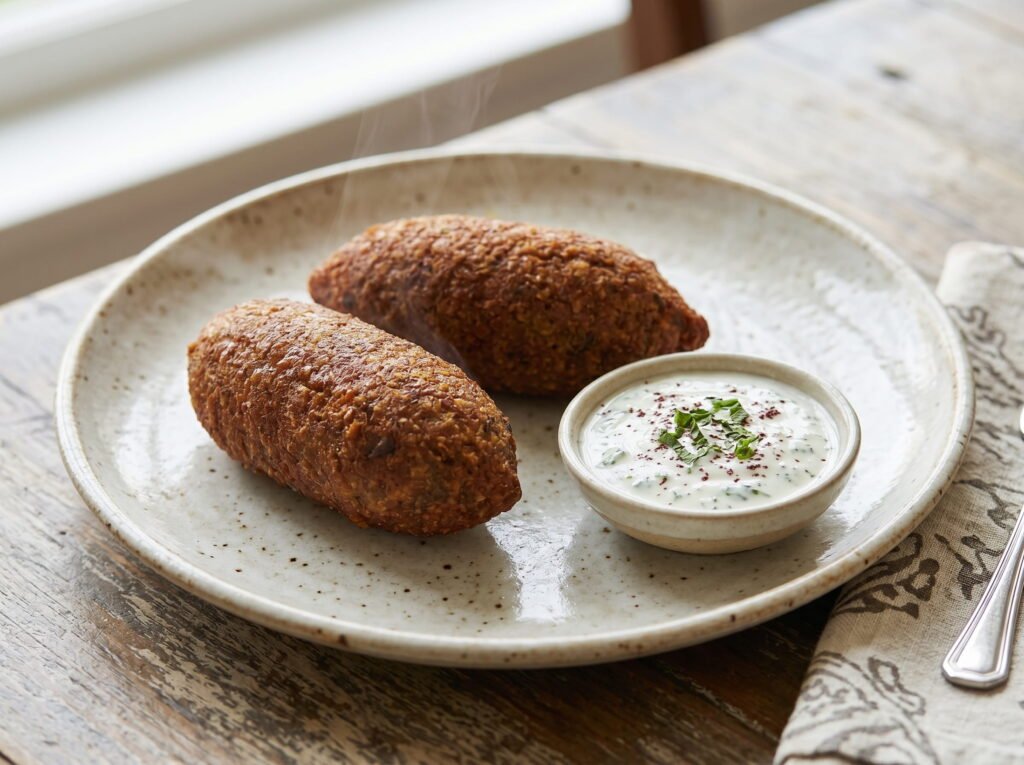
The alcapurria is a fried fritter made from masa of yuca or a mix of plantain and root vegetables, stuffed with seasoned ground beef and olives. Hot from the fryer, the masa gets slightly chewy and gummy in the best possible way. The filling is fragrant with sofrito, sazón, and a little olive brine that adds a pleasant tartness.
Some versions use only yuca, which gives a bright yellow color and a starchier texture. Others mix platano and malanga for a darker, slightly thinner masa. Both are excellent.
Each alcapurria costs around $2–$4. Have more than one. You won’t regret it.
The Dishes That Define the Island
Arroz con Gandules
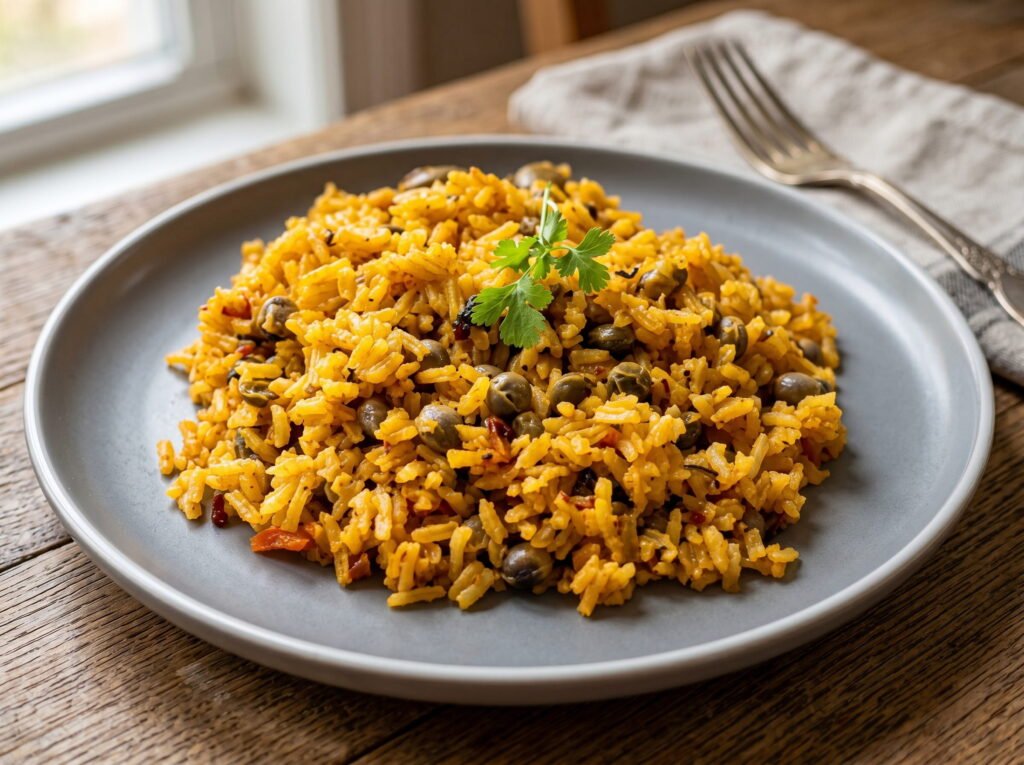
This is the national dish. Rice cooked with pigeon peas, sofrito, tomato paste, achote oil, and sometimes olives. The sofrito is everything — a blended paste of garlic, onion, bell peppers, and culantro that forms the flavor base for almost everything cooked here. It’s the soul of this food.
The rice grains are medium grain, which gives them a slightly pearl-like quality with a gentle stickiness. The pigeon peas add earthiness and a mild tang. The whole dish is savory and warming and filling in the way that only a dish cooked with generations of knowledge can be.
A plate with a side costs around $8–$12 at the kioskos. Eat it at the beach version in Luquillo and then eat it again at a lechonera in the mountains. They’re different and both are right.
Chillo Frito — Fried Red Snapper
Fried red snapper is a dish you have to try, and La Garita in Old San Juan does it beautifully. The whole fish comes out golden brown from the oil, the skin shatteringly crispy all over — even on the sides where the flesh met the heat. Inside, the meat is white, flaky, and seasoned with sazón, oregano, cumin, and paprika.
It comes with tostones de plátano — green plantains double-fried and smashed flat. Mild on their own but perfect alongside the fish. There’s also mayo-ketchup — exactly what it sounds like — served as a dipping sauce, and it works better than you’d expect.
A full plate runs around $18–$25 depending on the fish size. Squeeze lime over everything before the first bite.
Mofongo with Octopus
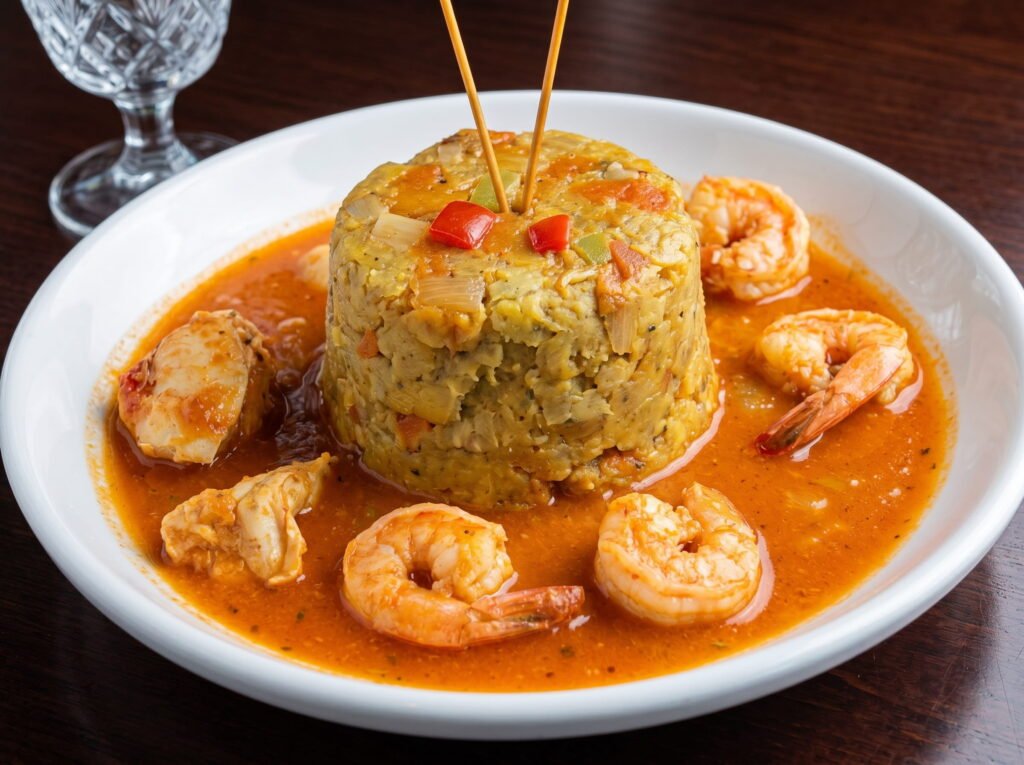
Mofongo is mashed fried green plantain mixed with garlic, olive oil, and chicharrón — fried pork skin — then shaped into a bowl and filled with your protein of choice. It has West African roots, brought to the island by enslaved Angolans who made fufu from boiled yam. The locals made it their own over centuries.
The version I had at Carmín Seafood Restaurant in Piñones came with slow-cooked octopus in salsa criolla — a light tomato sauce with onion, herbs, and a gentle sweetness. The octopus was tender and fresh. The mofongo was moist, which is the mark of a good one. Dry mofongo is a disappointment. This was the opposite.
A mofongo plate costs around $18–$28 depending on protein. It’s a heavy dish. One is enough.
Tripleta Sandwich
The tripleta is the island’s answer to a loaded sandwich. Three meats — typically turkey, pastrami, and ham — chopped and cooked on a griddle, then piled into a soft roll with tomato, peppers, and a generous amount of condiments. The name literally means “three,” referring to the meats.
Every place makes it slightly differently, but the result is always juicy, messy, and deeply satisfying. Priced around $7–$12, it’s one of the better lunch options on the island if you want something filling and fast.
Cocktail de Carrucho — Conch Salad
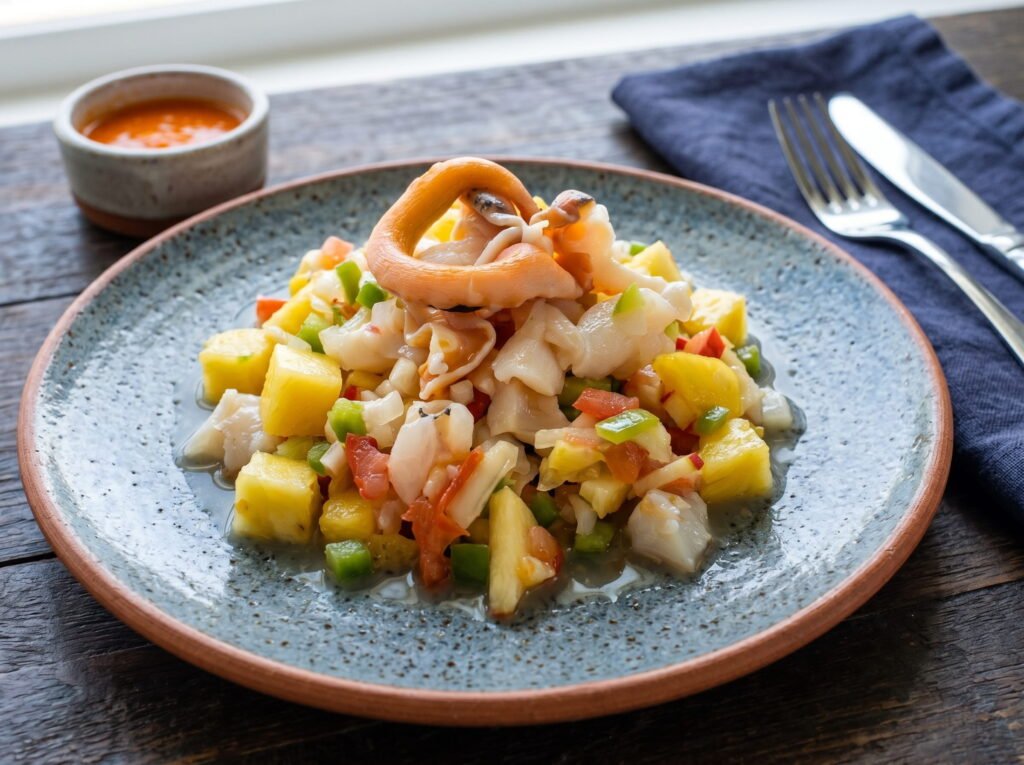
If you see this on a menu, order it. Carrucho is conch marinated in oil, vinegar, lime juice, and fresh onions and peppers. It has a firm texture and a clean, light flavor — the lime punches through the oil and the fresh onions add a bit of sharpness.
Served cold, it’s a perfect starter in the heat. Around $10–$15 at most seafood spots. Have it with a cold beer.
The Pork Highway — La Ruta del Lechón
Lechon — Roasted Whole Pig
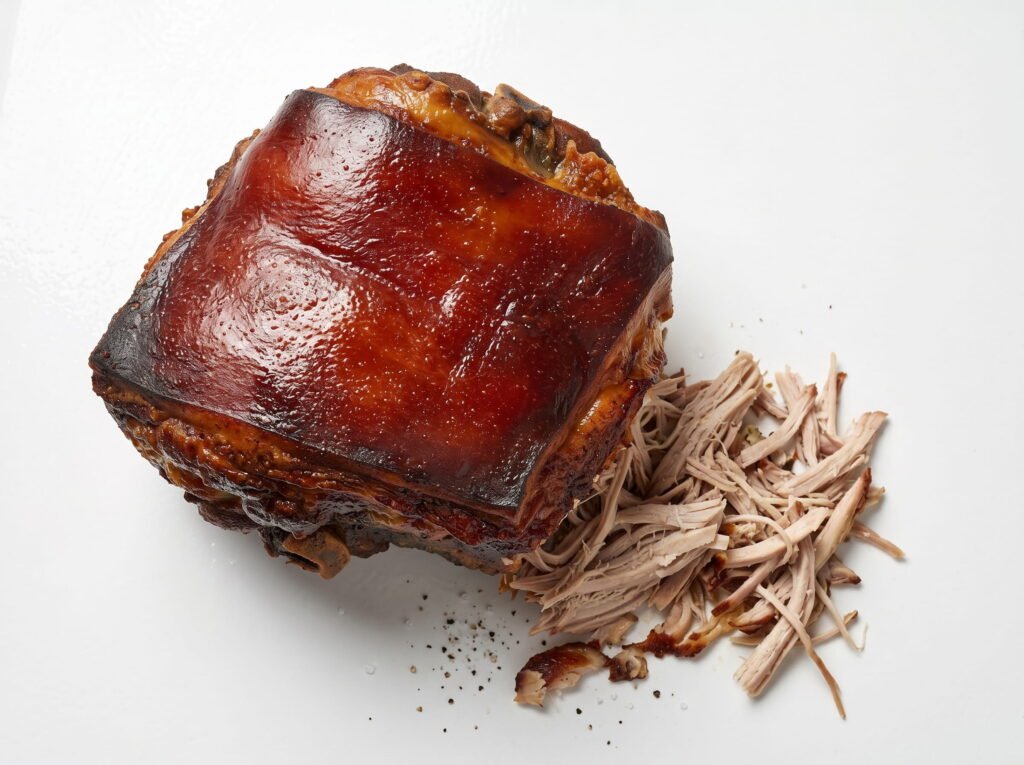
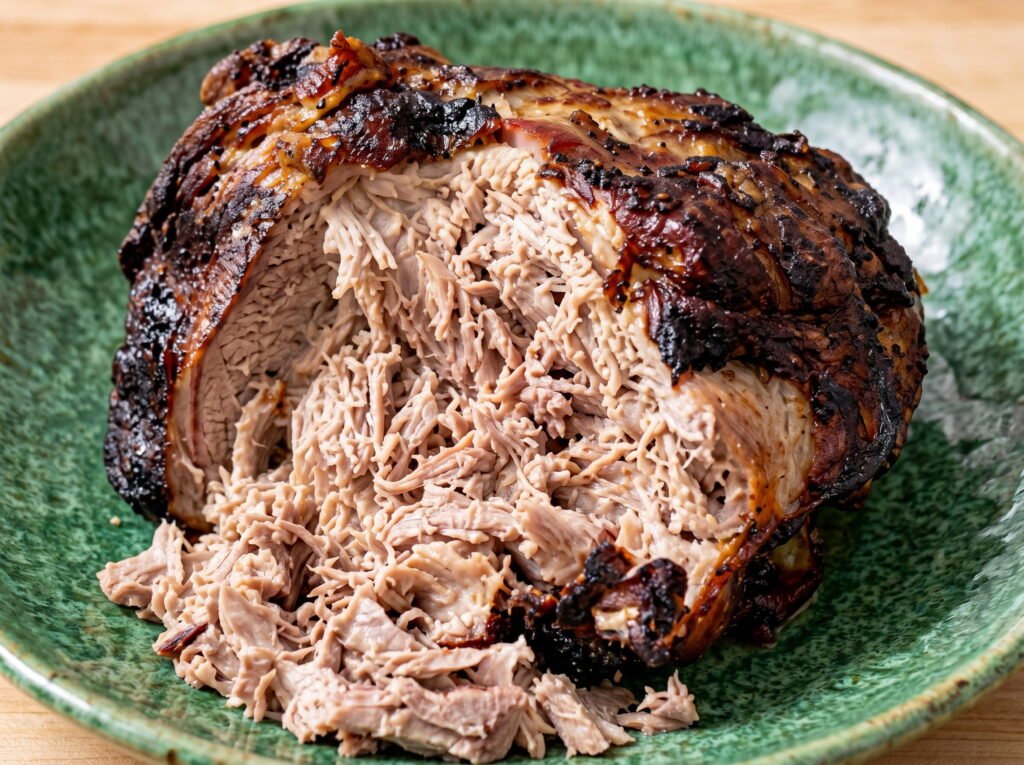
This is the centerpiece of the culinary culture here. Along Route 184 in the mountains of Guavate, a stretch of road known as La Ruta del Lechón is lined entirely with lechoneras — open-air restaurants where whole pigs have been roasting on spits since the early morning hours. The pigs are marinated in garlic, oregano, salt, and pepper, then spit-roasted slowly until the skin turns into something magical.
The skin — cuerito — is the prize. It shatters. Beneath it is a thin layer of fat that dissolves the moment it touches your tongue, buttery and rich. The meat underneath is juicy and fragrant with the long hours of seasoning and heat. There is pork broth within the pork itself. That’s the only way to describe it.
A full plate with two sides runs $10–$15. If you’re with a group and ordering by weight, expect to pay $12–$16 per pound.
Get there before noon. The best cuts disappear fast, especially on weekends.
Lechonera El Rancho Original
The first stop on the Pork Highway and one of the most respected. The thigh and shoulder here are exceptional — juicy, well-seasoned, with cuerito that snaps cleanly and a meat that pulls apart easily without needing a knife.
Lechonera Los Pinos
Visited by Anthony Bourdain himself, Los Pinos is known for its authentic cooking and the shoulder cut in particular. The skin here is more lacquered and glossy, a little saltier, and the fat renders down so fast it feels like it was never there.
El Caldero del Fogón
This one does something different — lechon frito. The entire chunk of pork is fried rather than spit-roasted, giving the outside an incredible crispness that goes even further than the roasted version. Slightly smoky, not very salty, with a crackling exterior and impossibly tender interior.
The practice of going from lechonera to lechonera all day even has a name — chinchorrear. And you absolutely should do it.
Root Vegetables Alongside the Pork
Don’t skip the sides. The starchy root vegetables served at every lechonera are part of the experience. Yuca is the most common — soft, wet, and starchy. Ñame is similar but slightly earthier. Guineo (green banana boiled before ripening) has a mild tartness that comes naturally from cooking. They’re all kept moist in a casserole dish and they absorb the juices of the pork beautifully.
Pasteles
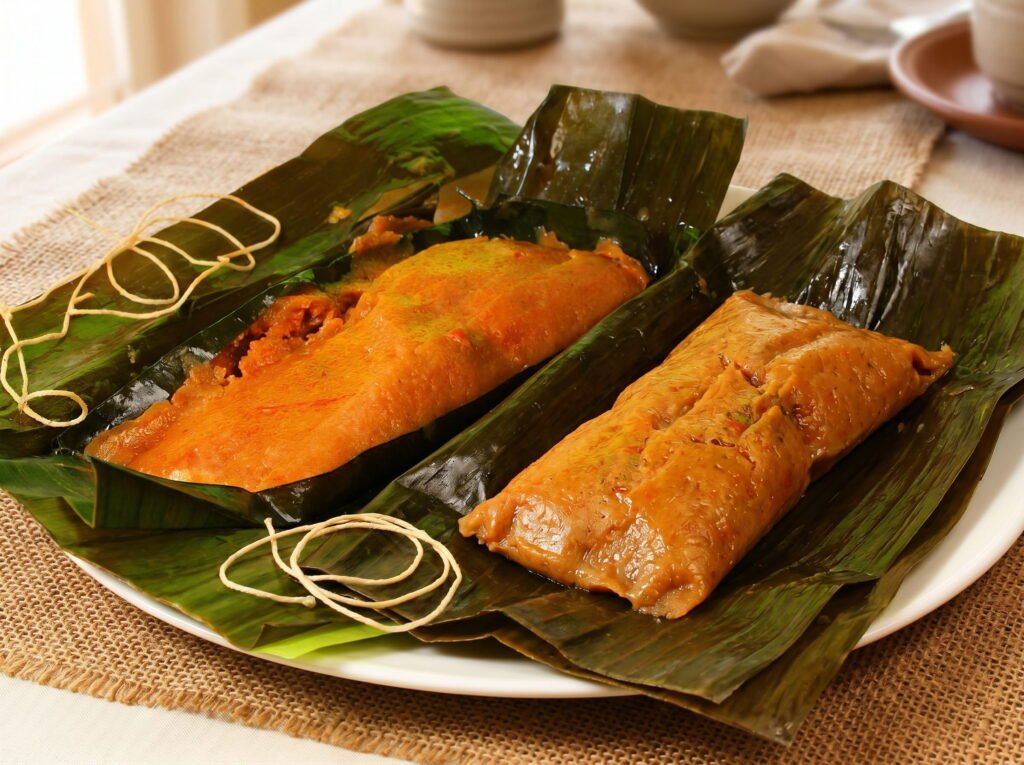
A pastel is masa made from green banana and root vegetables, stuffed with seasoned pork and steamed inside a banana leaf. The leaf imparts a subtle earthy flavor into the masa as it cooks. The result is dense, warm, and deeply satisfying — somewhere between a tamale and something entirely its own.
The pork inside is flavored with sofrito, sazón, and olive brine. That little hint of tartness from the olives ties everything together.
Around $3–$5 each at most lechoneras.
Desserts and Drinks
Flan de Queso
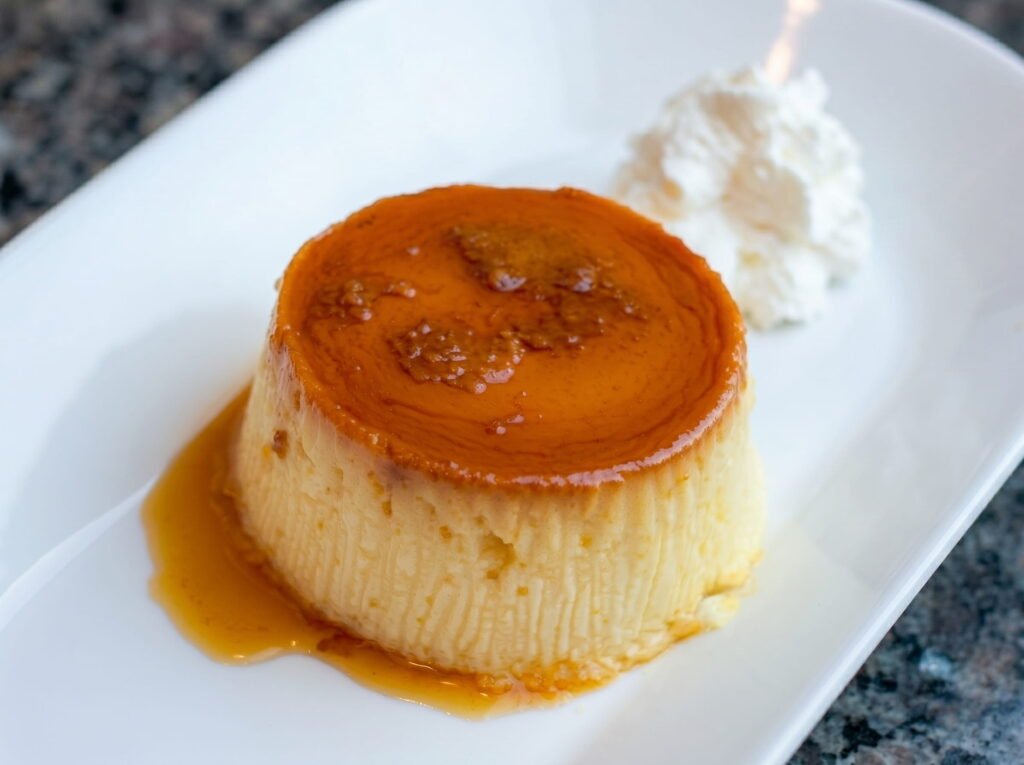
The flan here is made with cream cheese, which gives it an extra richness and smoothness compared to the classic version. It’s well-tempered, buttery, almost like a very dense panna cotta — and at the bottom sits a slightly bitter caramel that balances the sweetness perfectly.
A slice costs around $3–$5 at the kioskos. You’ll want it at the end of every meal.
Piña Colada — Barrachina, Old San Juan
This drink was born on the island and Barrachina in Old San Juan is one of the places that claims the birthplace. The version here is more liquid than the thick frozen styles you get elsewhere — yellowish, naturally coconutty, with real pineapple flavor and rum added if you want it.
It comes with a pineapple slice and a cherry. It tastes exactly as good as it should.
Around $12–$15 per glass. Touristy? Yes. Worth it? Absolutely.
Mojitos — Kioskos de Luquillo
The mojitos at the kioskos in Luquillo are generously poured — reportedly around 6 oz of rum per glass, which is not shy at all. The passion fruit version is especially good: sweet, tart, and balanced with fresh lime. They’ll ask if you want it sweeter or more sour. Ask for more sour.
Around $8–$12 per mojito depending on the kiosk.
Medalla Beer
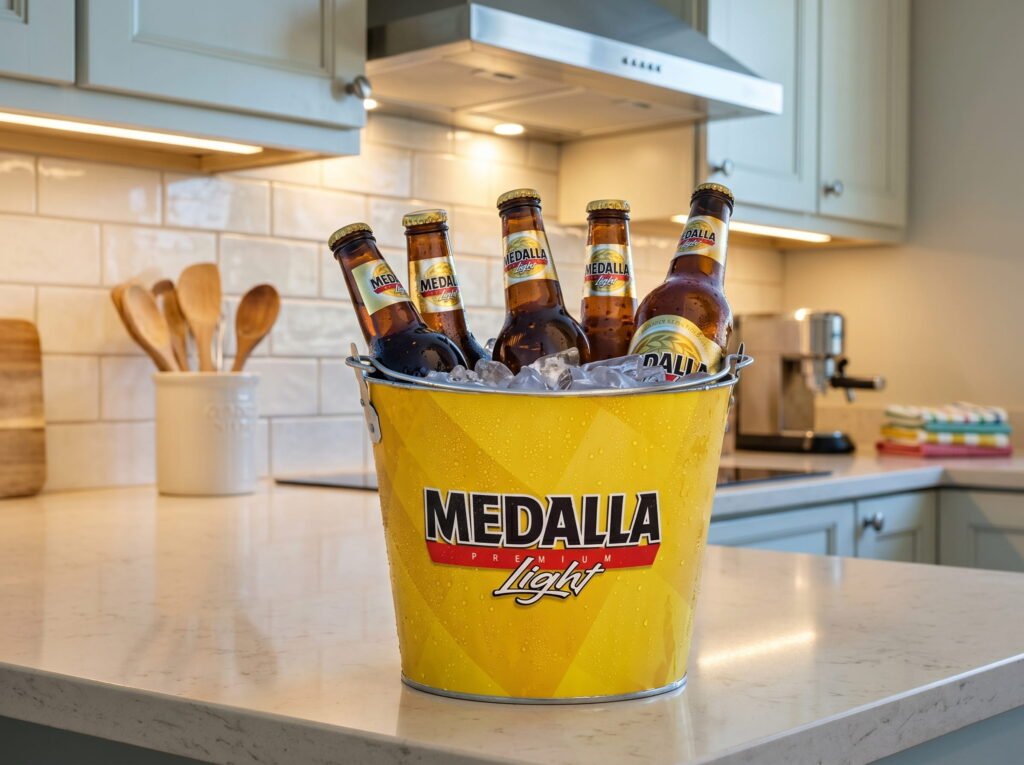
This is the beer of the island. A light lager, crisp and cold and completely correct with anything fried, roasted, or seasoned. You’ll drink your first one thinking it’s simple. By the third, you’ll understand why locals drink nothing else.
Around $2–$4 per can or bottle. Have one with your lechon. Have another with your fish.
Local Coffee
The beans from Jayuya in the south of the island produce a cup that is chocolatey, bright, and lightly floral with a hint of citrus zest. La Isla Coffee Shop in the Santurce neighborhood of San Juan does this particularly well. An Americano costs around $3–$5 and is worth every cent.
This is not the kind of coffee you drink to wake up. It’s the kind you drink slowly because you don’t want it to end.
The Granos of Humacao — A Hidden Gem
About 20 minutes east of San Juan, in the town of Humacao, a family has been making granos since 1945 at a small counter called Granos Bartola. These are rice fritters and they are one of the most quietly brilliant things I ate on this entire trip.
The concept is the pegao — the crispy bottom of a rice pot that locals treat as a prize. These fritters take that idea and make it the whole point. The outside is crispy like that bottom crust. The inside is soft and doughy with rice. And right in the center is a small dot of melted gouda cheese.
The crunch when you bite in is extraordinary. The current owner is the grandson of the original founders and the recipe hasn’t changed.
Each granos costs around $1–$2.
One Last Thing About the Food Here
The food here is heavy. It’s rice and beans and pork and root vegetables and fried things and starchy things and everything designed to fill you up and keep you going. It’s the food of people who worked hard and cooked generously.
The flavor base of almost everything — the sofrito — is made fresh, kept in jars, and added to nearly every dish. Garlic, onion, bell peppers, culantro, blended together into a paste that becomes the backbone of this cuisine. You taste it in the arroz con gandules. You taste it in the mofongo. You taste it in the filling of the alcapurria. Once you know what sofrito smells like, you’ll recognize it everywhere and understand why the food tastes the way it does.
The real secret of the cooking here is that it’s not complicated. It’s just deeply, honestly flavored. And once you’ve eaten it on this island, nothing else quite compares.




2 Responses