El Salvador is one of those places that surprises people. Most people, when traveling to Central America, head straight to Costa Rica or Guatemala and overlook this small country.
But if you come here, that works in your favor. The beaches are less crowded, prices are relatively low, and the locals are very friendly and hospitable.
This guide includes the 14 best things to do in El Salvador — from volcanic hikes and Mayan ruins to surf towns, colonial routes, and street food so delicious you’ll remember it long after your trip ends.
1. Explore the Centro Histórico of San Salvador
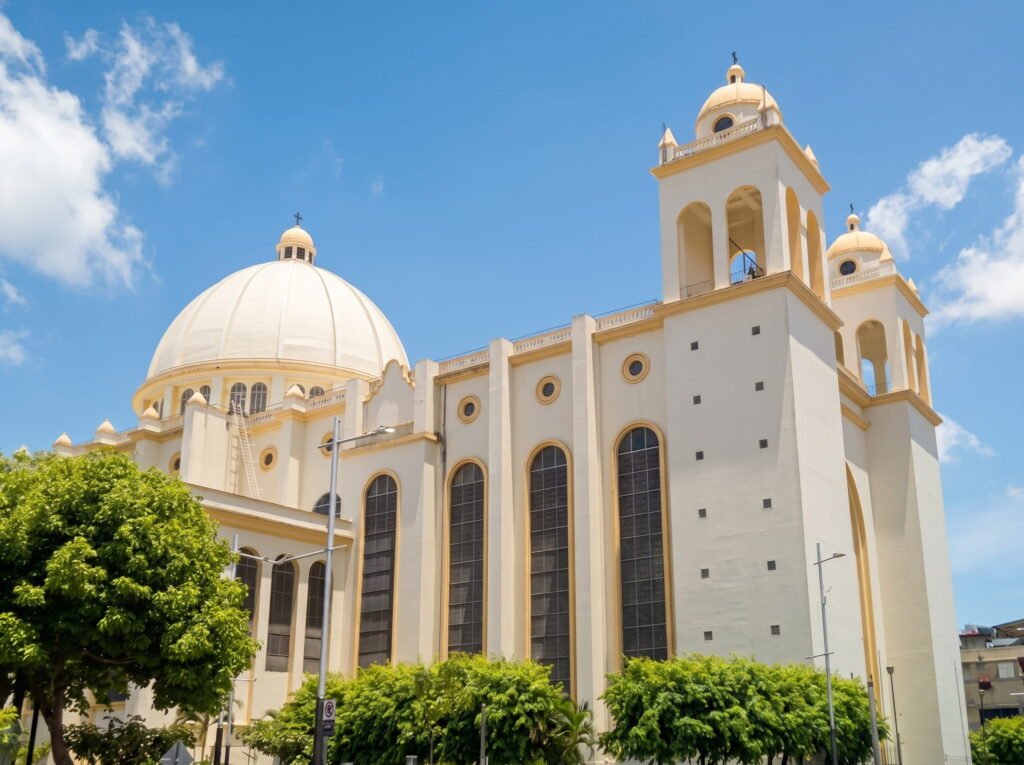
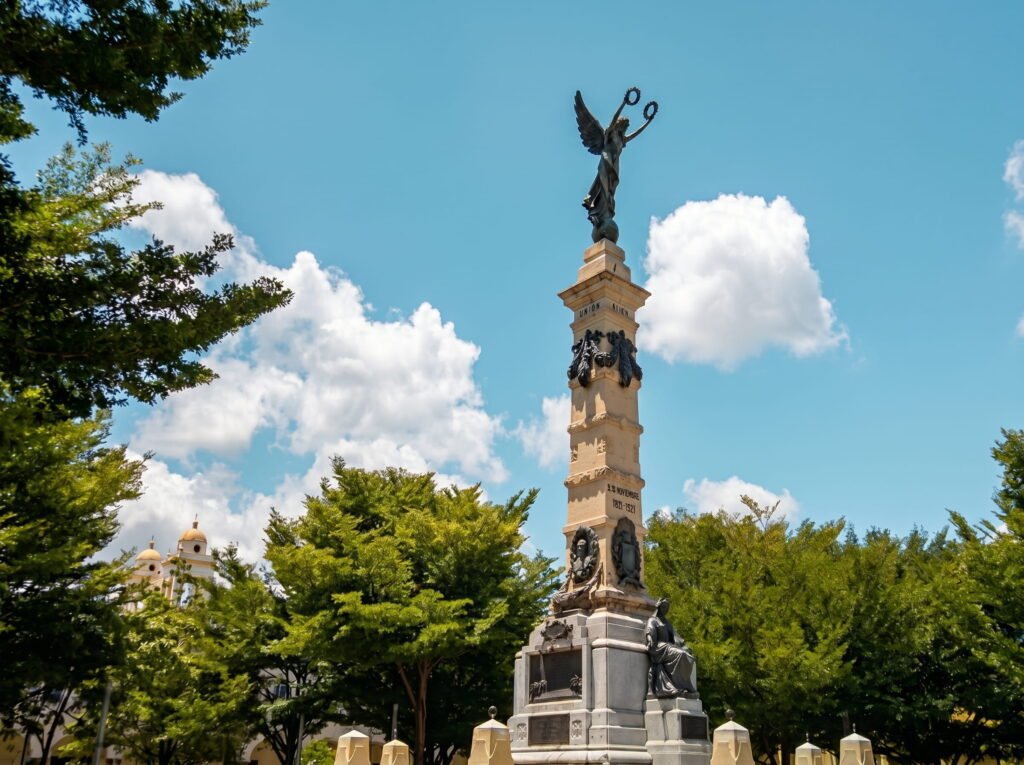
San Salvador’s metro population is approximately 2 million people, and the Centro Histórico is the place where the city’s true identity is most strongly felt. This is the oldest part of the capital, where Plaza Libertad is located—the spot where the city began.
In addition, there is the National Theater, large colonial churches, and open-air markets that have been operating for generations.
The National Theater alone is worth seeing for its beautiful architecture. Built in the early 20th century, it has hosted everything from operas to political events. The plaza around it is always filled with vendors, musicians, and everyday city life, and it all feels very natural and authentic.
Centro Histórico is the best place to understand the city and soak in its atmosphere, especially before you head to other parts of El Salvador.
2. Shop the Local Markets
If you’re looking for souvenirs, handicrafts, or a genuine Latin American market experience, San Salvador is the best place. “The Mercado Nacional de Artesanías” is especially famous for handmade items—you’ll find textiles, ceramics, woodwork, and jewelry crafted by local artisans.
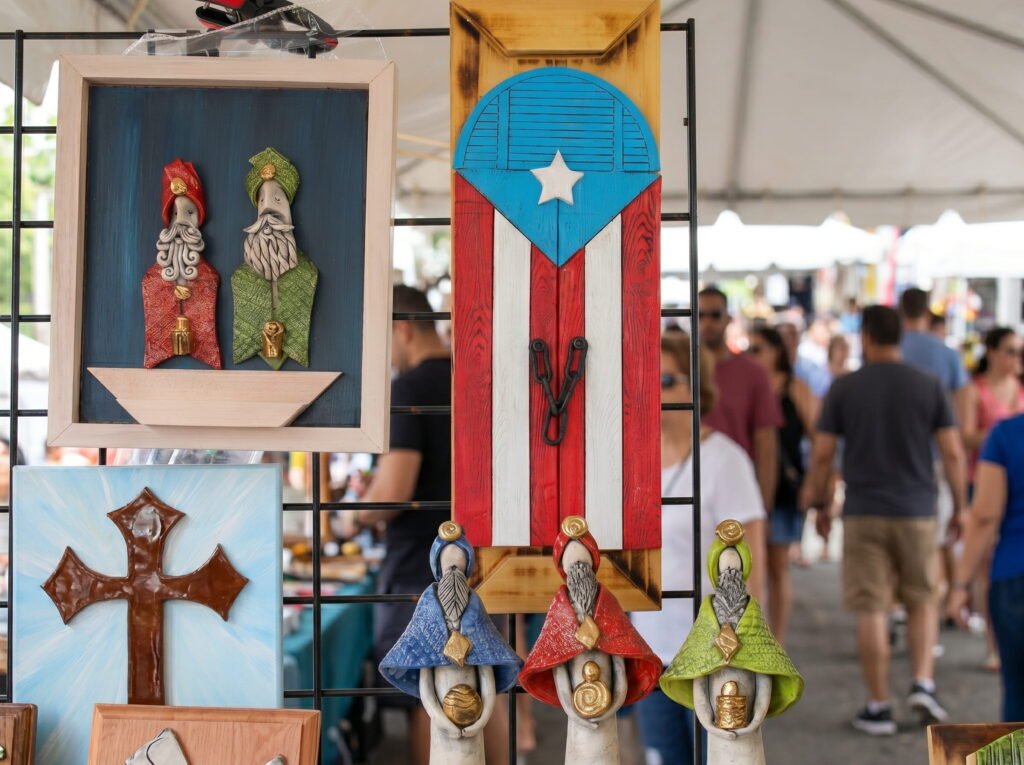
“Prices are reasonable, and the quality is far better than what you’d find in typical airport gift shops.”
The markets in and around the Centro Histórico are busier, everyday markets where vendors sell fruits, vegetables, clothing, household items, and street food.
Bargaining is common in informal markets and considered part of the culture, but there are also many shops with fixed prices. So it’s best to read the situation and adjust your approach accordingly.
Read: Beaches in El Salvador
3. Spend Time in Santa Tecla and La Libertad
Santa Tecla is located very close to San Salvador and is part of the La Libertad department. The area feels quite modern—there are large shopping malls, international restaurant chains, and coffee shops.
Santa Tecla and the surrounding La Libertad area’s nightlife is also considered more relaxed and relatively safer compared to other parts of the capital.
The hotels in this area, including international brands like Marriott, are located in places from which day trips to the coast, inland regions, and the historic center can be easily made.
Read: Things to do in Puerto Rico
4. Visit Panchimalco Town
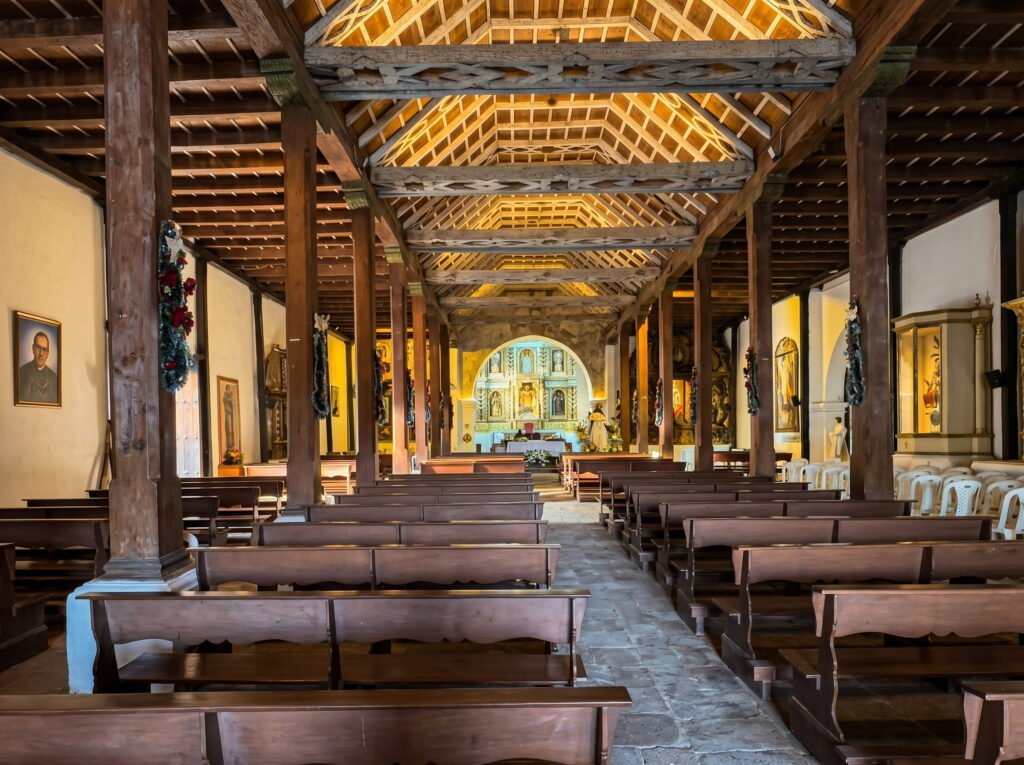
This town is known for its strong indigenous history, and the cultural center here showcases the history of the Pipil people. The Pipil are actually descended from Nahua-speaking groups who came here from central Mexico centuries ago.
El Salvador’s pre-Columbian history is quite deep and comprises various civilizations, including Mayan influences, Nahua-speaking settlers, and several other indigenous groups. This is one of the few places where you can experience this history not just in a museum but within a living community.
“The Santa Cruz de Roma” church in the city center is counted among the country’s oldest colonial churches. It was built in the 18th century and still holds historical significance today.
5. Try Pupusas Food
Pupusas are El Salvador’s national dish, and when you go there, you should definitely eat them again and again. It is a thick, handmade corn tortilla filled with cheese, refried beans, chicharrón (spiced crushed pork), or loroco (a special edible flower from Central America).
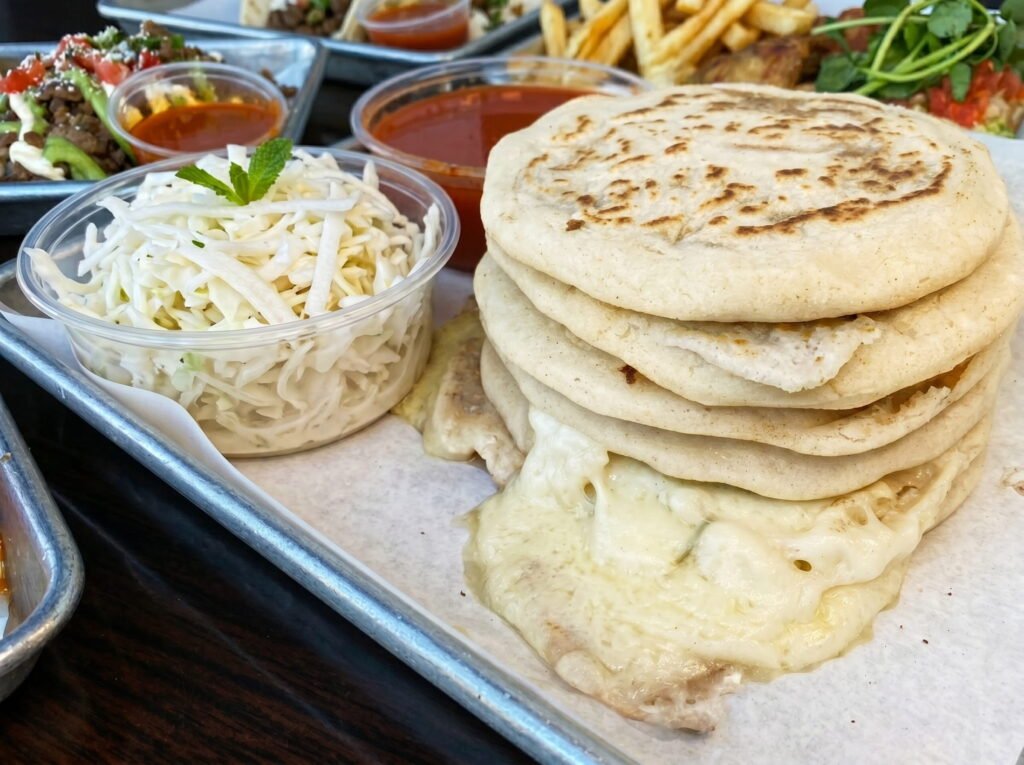
It’s cooked on a hot griddle and served with curtido—a lightly fermented cabbage salad—and salsa roja.
The best pupusas are those made fresh to order, and you’ll find pupuserías everywhere, from roadside stalls to large restaurants. Their prices are also quite low—typically between $0.50 and $1.50 per pupusa—and it’s perfectly normal to eat three or four at a time.
6. Visit the Golden Sand Beaches of La Paz
While most of Surf City’s beaches feature black volcanic sand, the beaches of La Paz Department in southeastern El Salvador are quite different. The sand here is more golden, the sea remains relatively calm, and the area is still largely undeveloped.
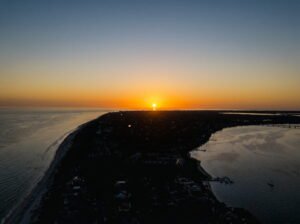
When you approach the international airport, this coastal area is clearly visible from above, and its beauty truly impresses from the air. On the ground, the place feels quite quiet and peaceful because large resorts or modern tourist infrastructure haven’t arrived yet.
That’s why most tourists don’t make it here.
Small fishing communities, simple guesthouses, and long, open beaches are the hallmarks of this area.
Read: Things to do in Tauranga
7. Explore El Tunco Town
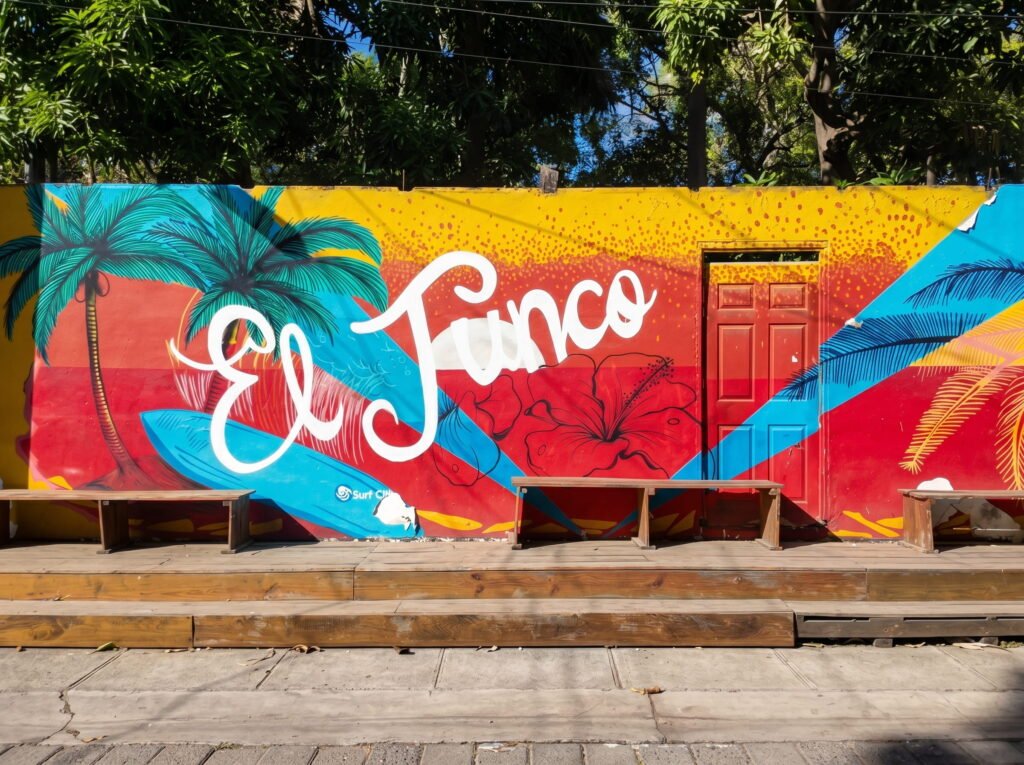
This is a slightly larger and livelier town than El Zonte, located a few kilometers further along the coast. It’s considered the more social part of the Surf City coastline—there are more restaurants, bars, and people here, yet it still retains its surf-town feel and hasn’t become a complete tourist trap.
Its beach also consists of black volcanic sand and rocks, and it’s very popular for surfing. This often becomes the first stop for travelers arriving at the airport, since it’s closer to the “international airport” than San Salvador.
That’s why spending the first night here is considered a good idea.
In the evening, the bar scene here gets quite lively, and the sounds of reggae and cumbia music coming from the hillside restaurants have become part of town’s distinctive atmosphere.
8. Ride the Rainbow Slides
There are two famous rainbow-painted slides that have surprisingly become a very popular attraction in El Salvador. They’re exactly what the name suggests—large, colorful concrete slides built on the hillsides. It’s not a very glamorous spot, but they’re really fun and look great in photos.
Several tour operators combine these slides with Puerta del Diablo as a half-day package, which typically costs around $65.
Read: Things to do in Seattle
9. Santa Ana Volcano
It is also known as Ilamatepec and is Country’s highest volcano, with an elevation of approximately 2,381 meters (7,812 feet). It is a stratovolcano located in the western part of the country in the Santa Ana Department, about 65 kilometers from San Salvador.
The volcano’s last eruption occurred in 2005, which was the first in over a century. It is currently monitored but remains open to visitors. Hiking to the summit takes about two to three hours and is not considered very difficult for those in good physical condition.
It is considered better to go with a guide or an organized tour, as it is safer, and access can sometimes be restricted depending on volcanic activity conditions.
10. Swim and Kayak at Lake Coatepeque
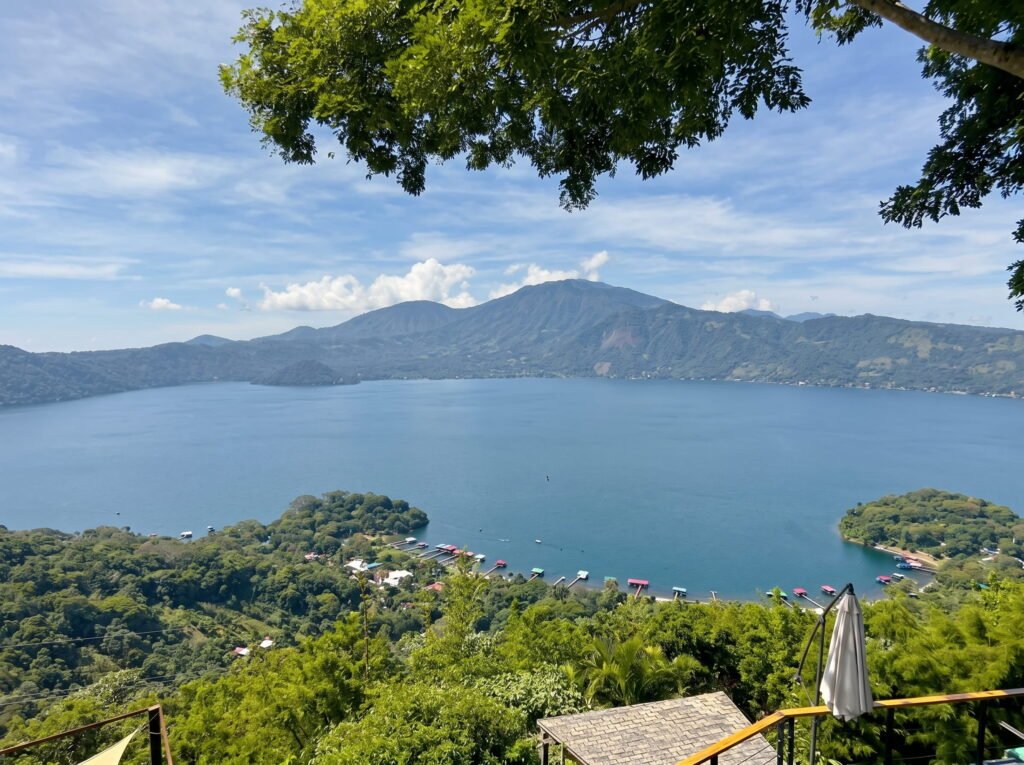
The water here is warm and clear, and the lake offers various water activities such as kayaking, jet skiing, paddleboarding, boating, and swimming. This place isn’t very crowded; especially on weekdays, you can find long stretches of the shore almost entirely to yourself.
This lake is located directly east of the Santa Ana Volcano, so it’s easy and practical to see both the volcano and the lake on a single-day trip from San Salvador.
11. See the Izalco Volcano
Izalco is located on the southern flank of the Santa Ana Volcano and rises to about 1,950 meters. It looks very distinctive because of its shape—its surface is black and there is almost no vegetation, since relatively recent lava flows occurred here. For this reason, it looks almost “alien” compared to the surrounding green hills. Its last major eruption occurred in 1966.
You can see Izalco very clearly from the summit of the Santa Ana Volcano, where an amazing view unfolds. On one side is the old, green-covered stratovolcano, and on the other is the relatively new, raw, black Izalco.
Read: Things to do in Orlando
12. Surf Along El Salvador’s Surf City Coast
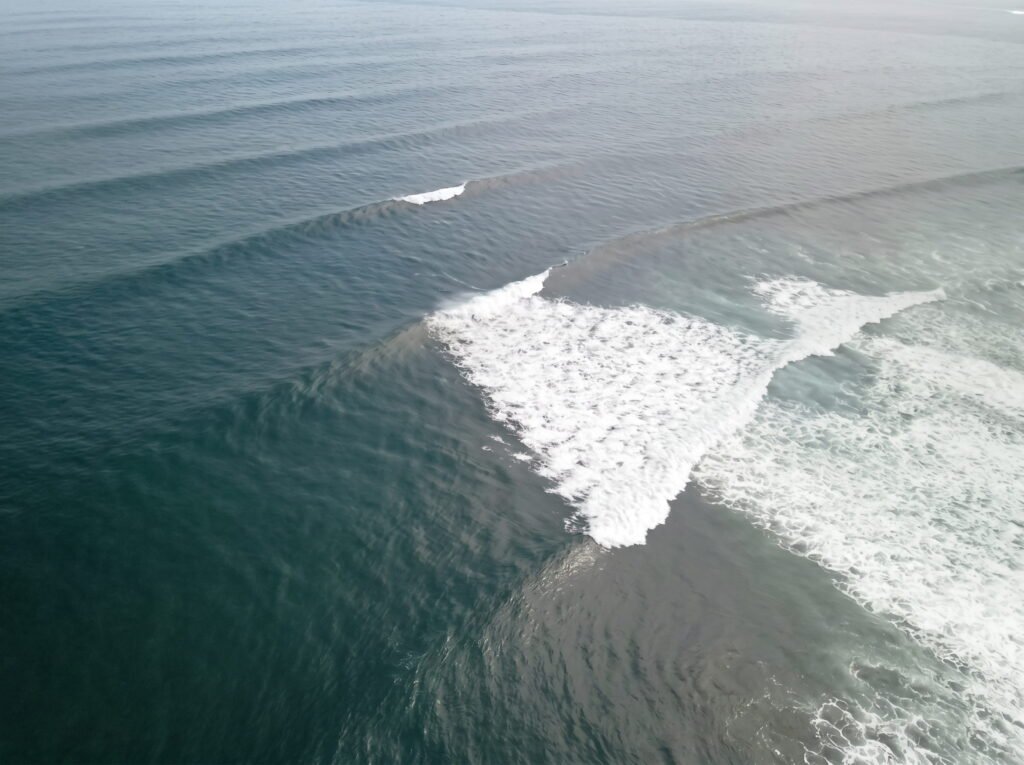
The waves here are pretty consistent, the water is warm, and the surf culture is genuinely authentic—it doesn’t feel like it was built just for tourists.
The main surfing area is along the coastline of La Libertad department, where several beach towns line the shore. Each town offers different accommodations, nightlife, and wave quality.
Most of the beaches in this region have black volcanic sand, and in some spots there are rocks, so they’re mostly better for surfing than for just relaxing. The real attraction here is the water and the waves.
Conditions vary for everyone, from beginners to expert surfers, depending on the swell, the season, and the specific surf spot. Apps like Surfline give you an accurate swell forecast, and there are local surf schools throughout the area that teach beginners.
From May to October, the wet season brings larger, more consistent swells, which is better for those with some experience. Meanwhile, the dry season is calmer and is considered better for beginners.
13. Rent a Car and Explore Freely
El Salvador is a small country—you can drive across it from one side to the other in just a few hours—and if you rent a car, you get a freedom that organized tours can never provide. The major highways are in pretty good condition and getting better every year.
The La Paz coast is much closer to the international airport in San Salvador—about a one- to one-and-a-half-hour drive, depending on traffic. So picking up a car at the airport and heading straight to El Tunco or El Zonte for your first night is a very practical and efficient way to go, rather than first getting stuck in San Salvador traffic.
The advantage of having your own car is that you can stop anywhere along the way—whether it’s roadside pupuserías, viewpoints, or any beautiful spot. This makes your trip more flexible and you’re not bound by anyone else’s schedule.
14. Surf and Relax at Punta Mango
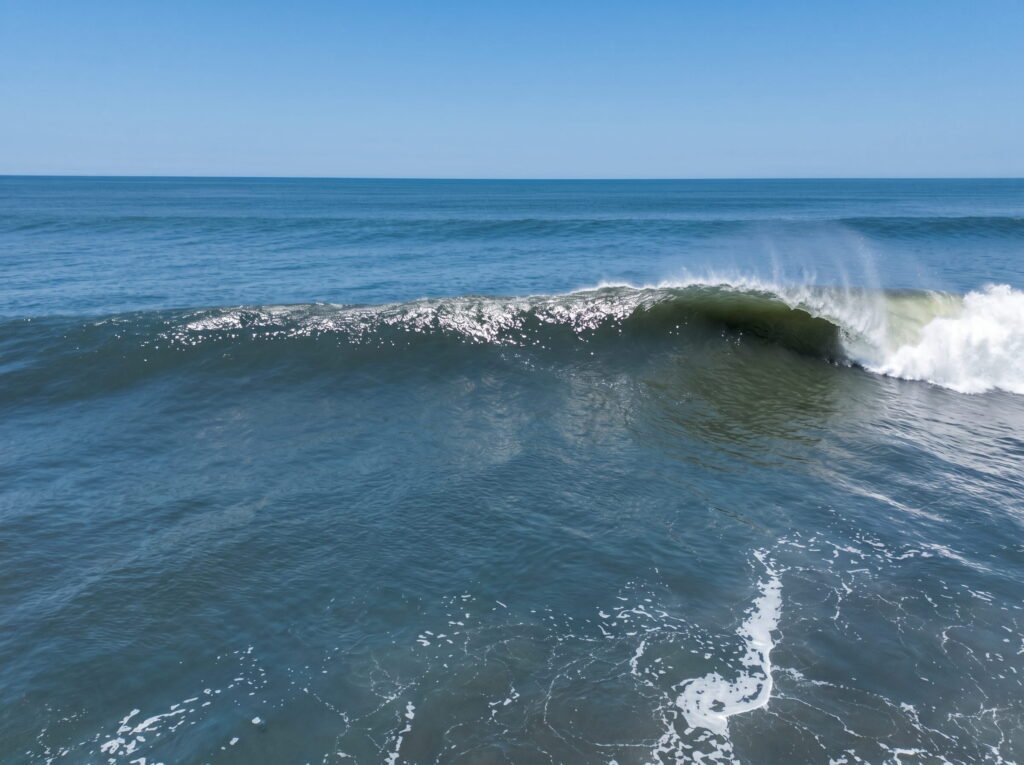
It is located in the eastern “La Unión” department and is considered one of Central America’s best right-hand point breaks among surfers. The spot is quite remote. — To get here, you either have to take a boat ride or travel along a rough, rugged road. But it’s precisely this remoteness that makes the place special.
The waves break over a rocky reef here, producing long, powerful rides, which is why experienced surfers come here in particular.
Even if you don’t surf, it is a place where the evening feels truly peaceful. Watching the sun set behind the Pacific Ocean, with almost no crowds, is an experience you rarely find anywhere in the world these days.
Related