22 Fun Things to Do in London for Families and Couples

things to do in London

I have been coming here for years and I still leave with a list of things I did not get to. That is not a complaint — it is the nature of a city that genuinely has no bottom.

You can spend a week here hitting only the famous things and leave satisfied. You can spend a week looking past the famous things and leave equally satisfied. Most of the best London trips I know of combine both, with enough time in between to sit in a pub and let the city settle around you.

This guide covers everything — the landmarks, the free museums, the markets, the parks, the neighborhoods, the food, the things people do not put on their itinerary and then regret missing. Whether you are here for a weekend or a full week, it is the list I would hand you at the airport.

Buckingham Palace and the Changing of the Guard
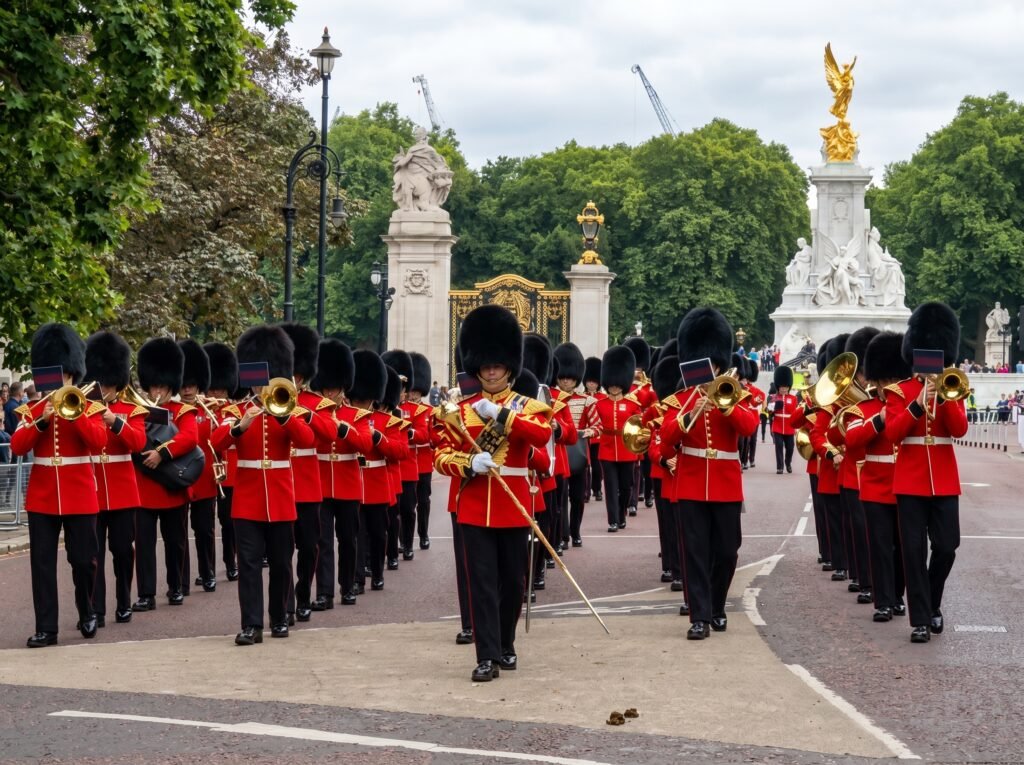
Some things live up to the photographs. This is one of them.

The Changing of the Guard happens on the forecourt and it is completely free to watch. Most days between April and July, alternate days the rest of the year — check the schedule before you go because it does not happen every single day. Get there early. The crowds appear faster than you expect and a good position makes a real difference. This is genuinely one of the best free things to do in London and one of the few tourist clichés that fully deserves its reputation.

The palace opens to visitors in summer, typically late July through late September, when the State Rooms are accessible by ticket. Book in advance. They sell out.

Read: Things to do in Harrogate

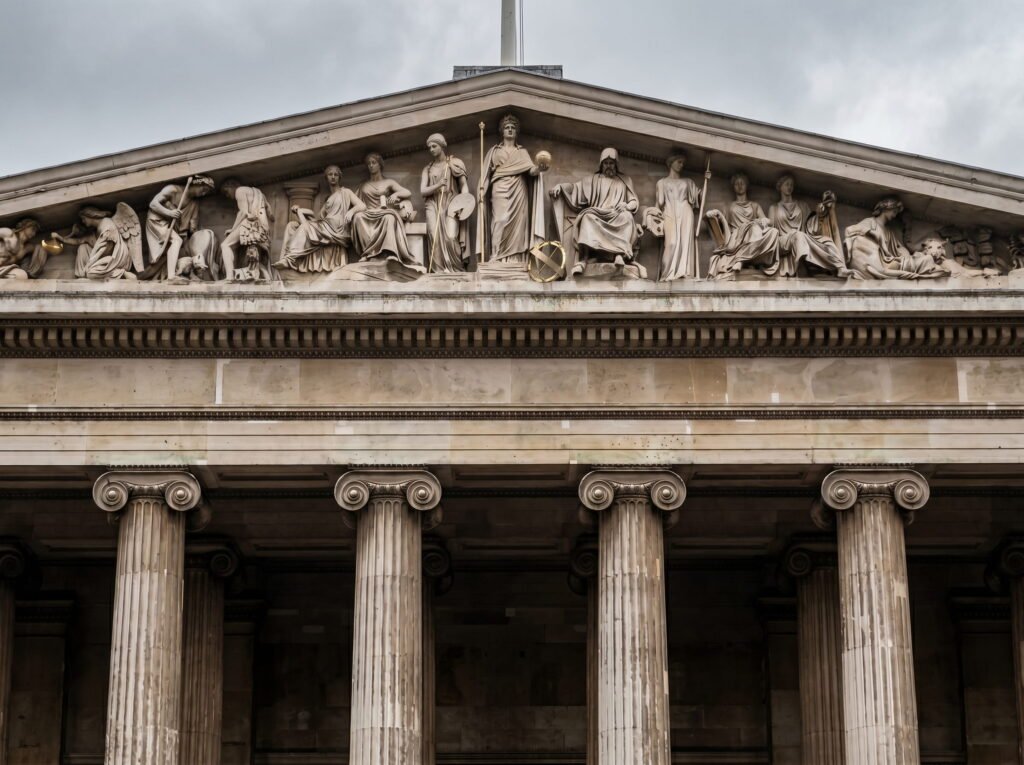
The British Museum

Free to enter. Open six days a week. Eight million objects spanning two million years of human history. Those three facts together make the British Museum one of the most extraordinary things available to a visitor in any city on earth.

I walked in here for the first time at twenty-two and spent five hours without sitting down once. The Rosetta Stone is smaller than you think and more moving than you expect. The Elgin Marbles fill an entire room and the debate about where they belong adds a layer of context that makes them more interesting, not less.

Read: Things to do in Zurnich

The Egyptian mummies pull crowds consistently because mummies pull crowds everywhere, but what surrounds them — the funerary objects, the canopic jars, the Books of the Dead — is the part worth slowing down for.

Go when it opens if you want the main galleries to yourself. The Rosetta Stone room is packed by mid-morning. Pick three or four things to see properly rather than trying to cover the whole museum in one visit — it cannot be done satisfyingly.

A guided tour is worth the money for first-time visitors. This is also one of the best free things to do in London with kids — the Egyptian section alone keeps children engaged longer than most paid attractions manage.

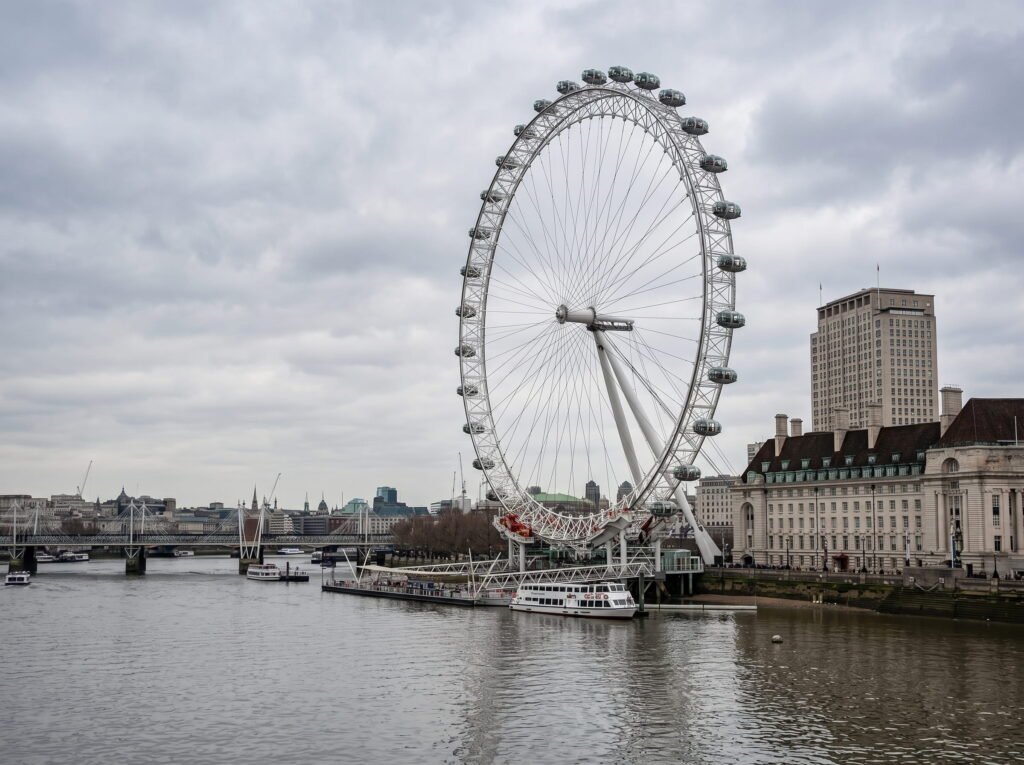
The London Eye

If you want to see all of London in just 30 minutes, visit the London Eye.

The London Eye opened in 2000 and became immediately iconic in the way that only a handful of structures manage — it is now as associated with London’s skyline as Big Ben or Tower Bridge.

The glass capsules hold around twenty-five people and rise to 135 meters above the Thames, high enough to look directly across at Big Ben and the Houses of Parliament, south to the Shard, west to Buckingham Palace on a clear day, and in every direction across a skyline that somehow becomes more comprehensible from above than it ever is at street level.

Tickets run around £30 for adults. Book online and in advance — the queue at the desk is entirely avoidable and the online price is usually slightly better. I went at sunset on a clear evening once and the light across the water toward Parliament was something I genuinely was not prepared for.

If you can time it for late afternoon on a good day, do it. It is one of those things that feels touristy right up until the moment you are up there, and then it just feels like London from the best possible angle.

Piccadilly Circus and the West End

You will end up here regardless. The city funnels you toward it.

Piccadilly Circus is technically a road junction — a meeting point of five major streets in the heart of the West End. In practice it is the beating center of tourist London, famous for its illuminated advertising screens that have been running in one form or another since the early 1900s and the bronze statue of Eros that appears in more holiday photographs than almost anything else in the city.

Read: Things to do in Tauranga

Regent Street curves north with its curved Victorian frontage. Soho starts just to the east, dense with restaurants and bars and the kind of independent businesses that make a neighborhood feel genuinely alive. Carnaby Street runs parallel with its fashion shops. South of Piccadilly, St James’s begins with galleries and clubs.

For things to do in London at night — for the full West End evening experience — this whole zone is where it happens. Leicester Square has the big cinemas, the TKTS booth for half-price theatre tickets, and the kind of crowd energy that picks up after dark and does not stop until late.

If you are choosing where to stay, being near Piccadilly Circus puts you within walking distance of most of central London without needing the Tube at all.

Walking the South Bank and Taking the River

The best free thing you can do in London takes about an hour, needs no ticket, and most people who visit never do it properly.

Walk the South Bank. Start at London Bridge and walk west along the river toward Westminster Bridge. You will pass Borough Market, the Tate Modern in its converted power station, the replica of Shakespeare’s Globe Theatre, the Millennium Bridge pointing directly at St Paul’s across the water, the National Theatre, the Southbank Centre, the London Eye, and then arrive at Westminster with Big Ben and the Houses of Parliament directly ahead.

Read: London’s most expensive night club

The whole route takes around an hour at a casual pace and costs nothing. Every hundred meters the view changes. Every landmark you have seen in photographs appears in sequence, and the river connects all of them.

For a different angle, take a boat. The Thames Clipper runs as an effective river bus the length of central London — tapping in with an Oyster card and standing on the deck as the city moves past is one of the most enjoyable things I have done in this city and it costs the same as a Tube journey.

The dedicated sightseeing cruises come with commentary and go slower. Both are good. A cruise from Westminster to Greenwich on a clear day, watching the city slide past from the water, is one of the things you will still be talking about on the way home.

London’s Markets

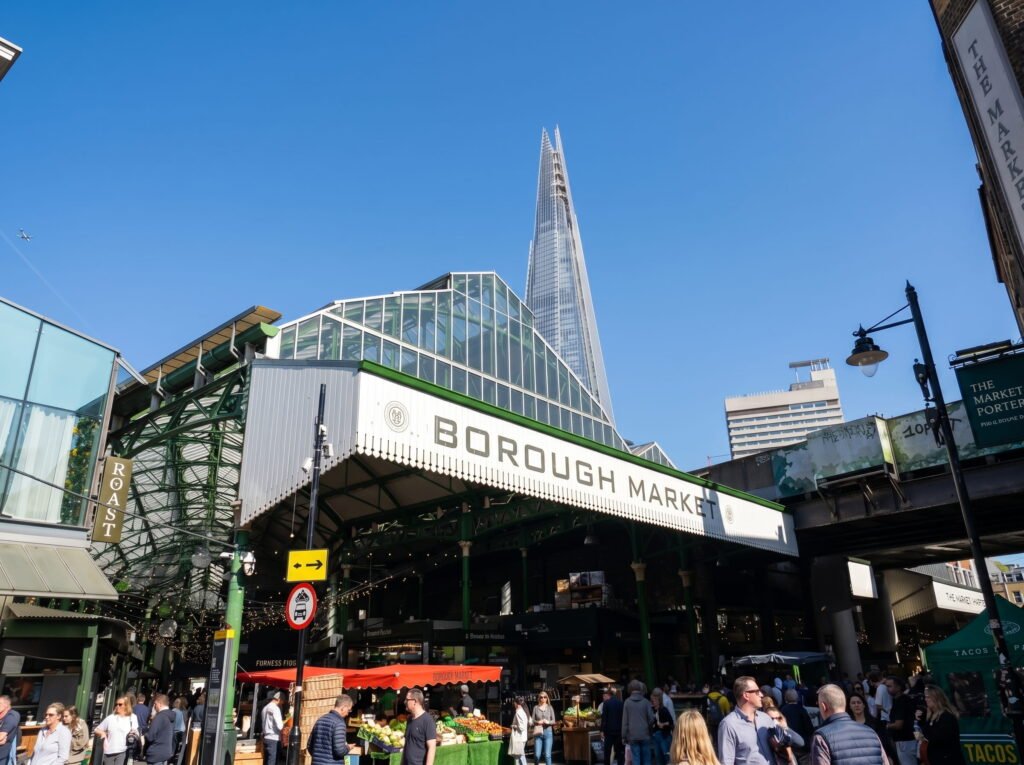
Borough Market first. Everything else after.

Borough Market on the South Bank has been operating on this site in one form or another since the 12th century. Today it is London’s premier food market — a destination in its own right rather than just a place to buy things. Fresh produce, artisan bread, cheese from across Britain and Europe, wild meat, fish landed that morning, hot food from every culinary tradition, and the kind of Saturday morning energy that makes you understand why Londoners are so protective of it.

I have never left without buying something I did not plan to buy and eating it standing on the pavement outside. Go Wednesday to Saturday for the full range of vendors.

Maltby Street Market nearby is smaller and quieter and serves a more local crowd — worth combining with Borough on the same trip.

Brick Lane Market on Sundays brings the whole of East London to one street: vintage clothing, street food, curry, bagels, and street art on the surrounding walls.

Camden Market is the most famous of all — sprawling, chaotic, genuinely excellent in the Stables section where the older covered market halls are — and best visited on a weekday morning before the crowds arrive. At Christmas the markets change completely. The Winter Wonderland in Hyde Park, the South Bank Christmas Market, and the Southbank Centre Winter Market are among the best free things to do in London this weekend from late November through December — free to enter, paid for individually once inside.

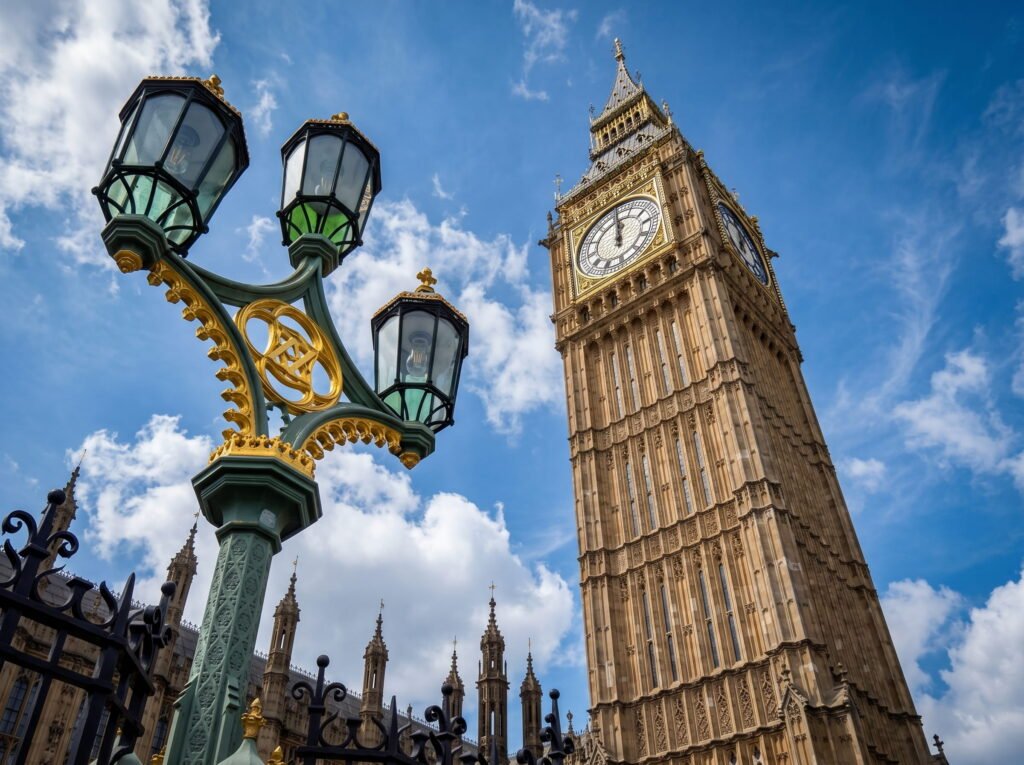
Big Ben and Westminster

Some views are earned by geography. This one is handed to you at the end of Westminster Bridge.

Stand in the middle of Westminster Bridge and look east. The Elizabeth Tower — the one everyone calls Big Ben, though technically Big Ben is the bell inside — rises 316 feet from the north bank of the Thames, backed by the Victorian Gothic facade of the Palace of Westminster. It was built in 1859. It is a UNESCO World Heritage Site.

It appears in so many images and films and news broadcasts that seeing it in person for the first time produces a mild cognitive dissonance — your brain insists you have been here before even though you have not. That is the experience. It is worth having.

The tower is not open for public tours in the traditional sense, but tours of the Houses of Parliament are available and cover the full palace — Westminster Hall, the Commons Chamber, the Lords Chamber, the lobbies. Book well in advance.

I love this club as well know as, Metropolis night club

Westminster Abbey sits directly beside the palace and carries its own extraordinary weight: every English and British monarch crowned since 1066 has been coronated in this building — forty monarchs over nearly a thousand years in the same place. The graves inside include Chaucer, Newton, Darwin, Dickens, Stephen Hawking, and the Unknown Warrior.

Tower Bridge and the Tower of London

Two of the most visited things in London, right next to each other, and completely different from each other.

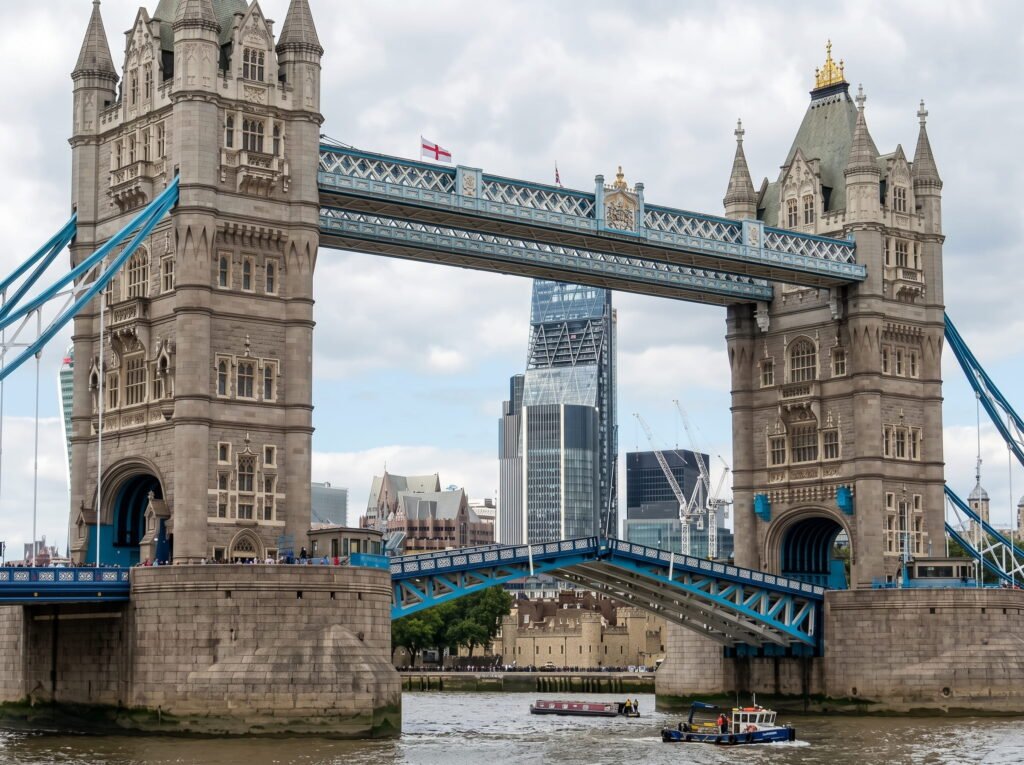
Tower Bridge is the one that opens. London Bridge — which is nearby, and ordinary, and not what anyone means when they picture a bridge — is the one that does not. Tower Bridge was built between 1886 and 1894, a Victorian Gothic structure over a steel bascule mechanism that allows the central span to lift for tall vessels.

It still opens several times a week. The glass-floored high-level walkways between the two towers give you a view straight down to the river and the traffic below — comfortable or not depending on your feelings about glass floors.

Right beside it, the Tower of London is something else entirely. Founded by William the Conqueror in 1066, it served as palace, prison, mint, and fortress across centuries of English history. The Crown Jewels are inside — the actual jewels, in person, including some of the largest diamonds in the world, displayed on a moving walkway that takes you past them at a pace determined by the volume of visitors around you. The Yeoman Warder tours are conducted by former senior military NCOs who have genuinely lived and worked here for years, and the stories they tell — about Anne Boleyn, about the Princes in the Tower, about the ravens who must never leave — are delivered with the confidence of people who know their material.

Book tickets in advance. This is consistently one of the most visited paid attractions in the country.

Hyde Park and London’s Parks

Three hundred and fifty acres of open parkland in the center of one of the most expensive cities on earth. Free to enter. Always.

I come to Hyde Park on every London trip and I always stay longer than I planned. There is something about the scale of it — the distance from one gate to another, the way the Serpentine lake sits in the middle with boaters on the water and swimmers in the lido — that makes the city fall away in a way that is harder to achieve than it sounds.

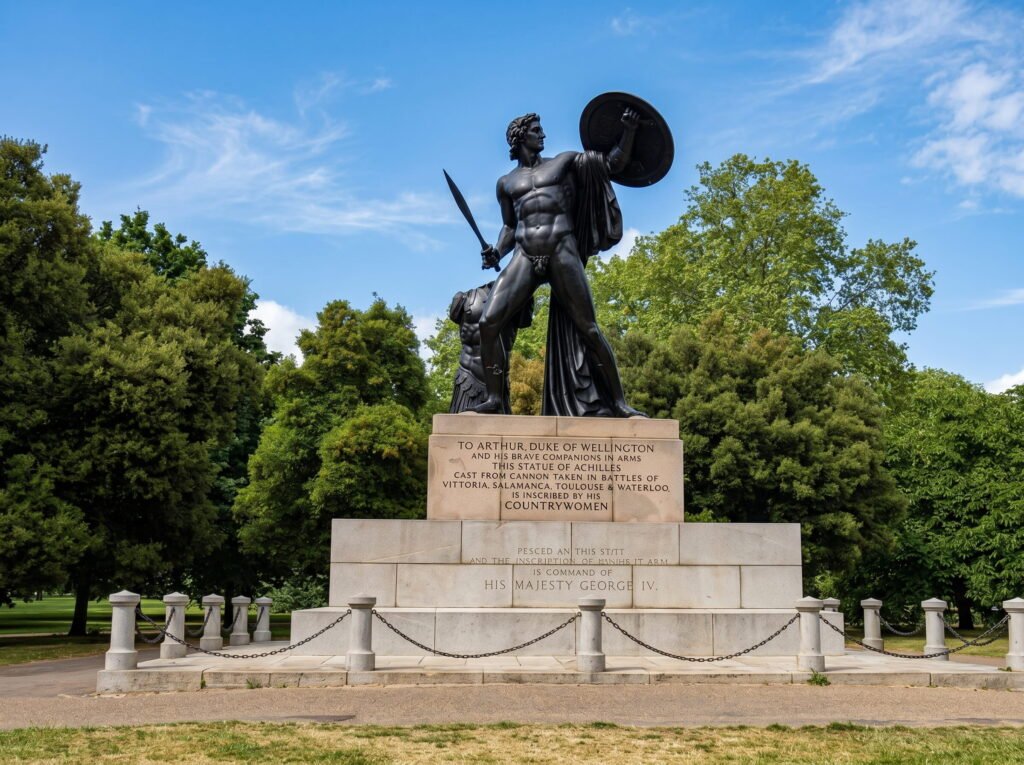
Speaker’s Corner at the northeast corner has been a site for public debate and passionate disagreement since the 19th century and still operates on Sunday mornings. The Diana Memorial Fountain, the Serpentine Bridge, the Albert Memorial — all within walking distance of each other in a park that feels like the city exhaling.

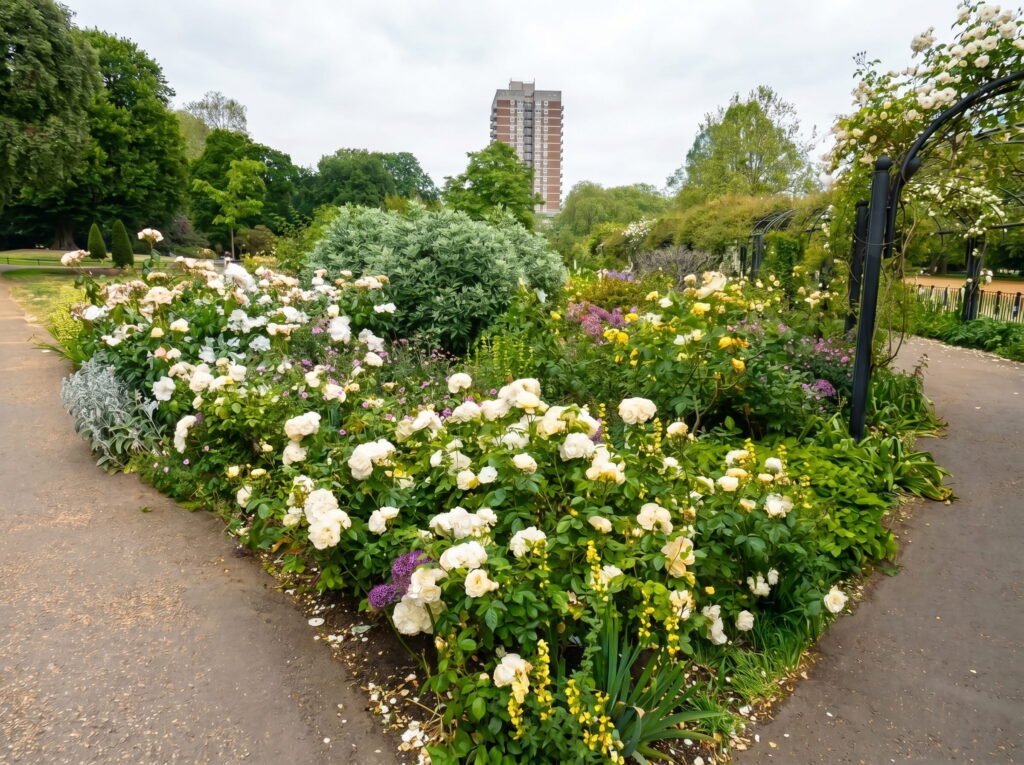
St James’s Park along The Mall is more formal and more beautiful in a different way, with its pelicans and its views toward Buckingham Palace and the Foreign Office. Regent’s Park has the rose garden in bloom through summer and London Zoo on its north edge. Victoria Park in East London has the genuine local energy of a neighborhood park rather than a tourist destination. And Greenwich Park, forty minutes by Tube or river boat, gives you a hillside with one of the best views over the city available for free anywhere.

Read: Why Russia is such Country

London’s parks are consistently the most underrated free things to do in London and the most satisfying things to stumble into when you are not quite sure what you want to do next.

The Natural History Museum

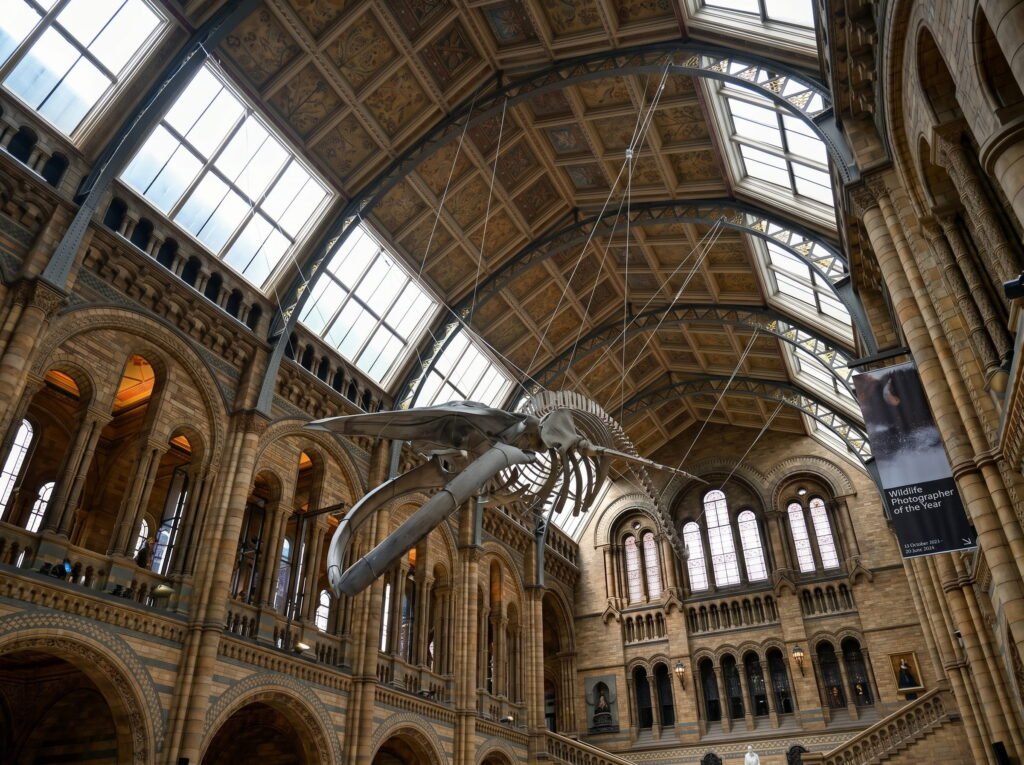
The blue whale stopped me the first time I walked through those doors. It stopped me again the last time, which tells you something.

Since 2017 the skeleton of Hope — the blue whale — has hung from the ceiling of Hintze Hall, the cathedral-like Victorian entrance gallery of the Natural History Museum in South Kensington. It is 25 meters long and looks completely impossible suspended above your head. The building itself is worth the visit on architectural grounds alone — ornate terracotta with animal carvings covering the columns and arches.

But behind the entrance hall there are dinosaur fossils, meteorites, the gem collection, the human biology gallery, a full blue whale heart specimen the size of a small car, and a dinosaur gallery that is the most popular single room in the museum for obvious reasons.

Learn about: London Living Wage

Plan three to four hours. The museum is free. It shares a postcode with the Science Museum — equally free, equally world-class — and the Victoria and Albert Museum, which holds the greatest collection of decorative arts and design on earth and is also free. Three of the most extraordinary museums in existence within five minutes’ walk of each other.

For free things to do in London with kids specifically this neighborhood makes more sense than almost anywhere else in the city.

The National Gallery and Tate Modern

Two of the world’s great art collections. Both free. Most visitors to London use neither.

The National Gallery holds over 2,300 paintings covering European art from the 13th to the 20th century — Van Gogh’s Sunflowers, Turner’s Rain Steam and Speed, Vermeer’s Lady Standing at a Virginal, Monet, Rembrandt, Caravaggio, Velázquez. The building is on Trafalgar Square and the collection spans twelve rooms on two floors.

Friday evenings the gallery stays open late and the crowds thin out significantly. That is the time to go if you want the paintings to yourself.

Tate Modern on the South Bank is the contemporary counterpart — housed in a converted power station that is one of the better acts of industrial repurposing in any European city. The Turbine Hall alone is worth visiting regardless of what is installed inside it, simply because of the scale.

The permanent collection covers Rothko, Warhol, Bourgeois, Picasso, and the full range of 20th and 21st century movements. Also free. Also easy to lose three hours in without noticing.

For genuinely unique things to do in London that most people skip: Sir John Soane’s Museum in Lincoln’s Inn Fields is the preserved home of a 19th-century architect who filled every room with antiquities, architectural models, and paintings — including Hogarth’s Rake’s Progress — crammed into a Georgian townhouse in a way that should not work and somehow works completely.

Free to enter. One of the strangest and most wonderful small museums in the city.

The Shard and Sky Garden

The best view costs £30. The second-best view costs nothing. Both are worth doing.

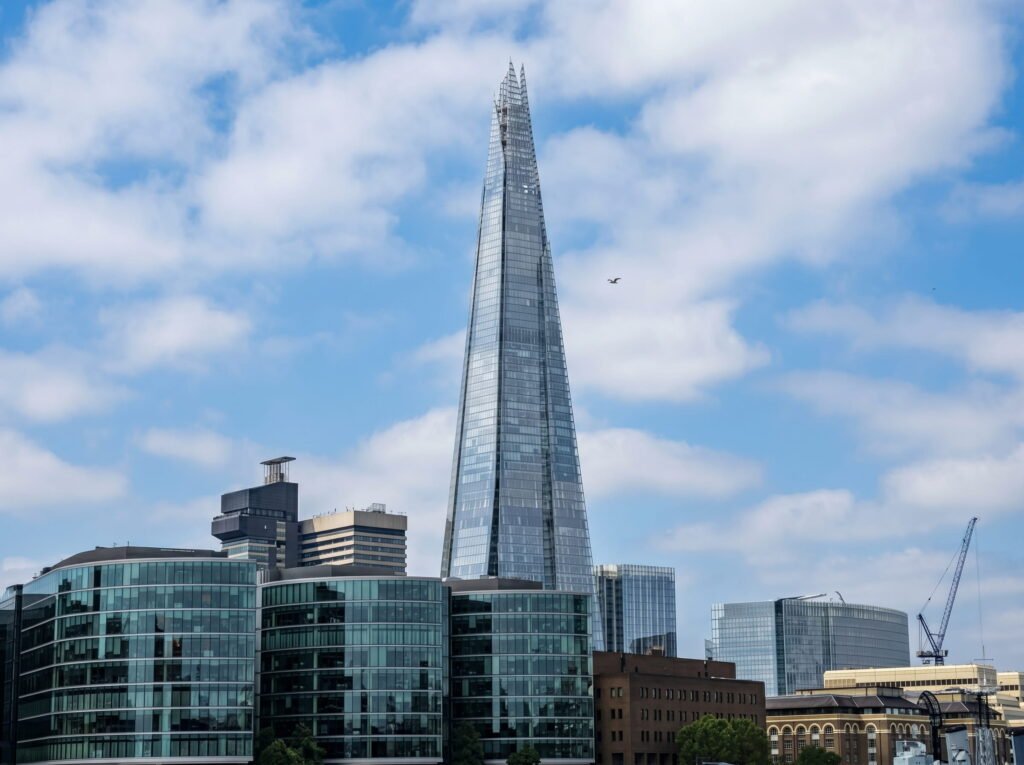
The Shard rises 310 meters above London Bridge station — a glass pyramid designed by Renzo Piano that is the tallest building in the United Kingdom and, from certain angles, appears to be dissolving into the sky. The View from The Shard observation deck occupies floors 68 to 72 and gives you a 360-degree panorama that on a clear day extends to the horizon in every direction.

Book online in advance for the better price. Walk-in tickets at the desk cost noticeably more.

Sky Garden at 20 Fenchurch Street — the building everyone calls the Walkie Talkie — is entirely free. An indoor tropical garden with an outdoor viewing deck at the top of one of central London’s most prominent towers, with unobstructed views of Tower Bridge, the Thames, St Paul’s, and the City. The catch is that the free time slots book out fast — weeks in advance during busy periods.

Do you know about these warm places of USA

Book yours as soon as you know your travel dates. The Horizon 22 viewpoint in the City is another free option that opened in 2023 and remains less crowded than Sky Garden because fewer people know it exists yet.

Covent Garden

Walk in without a plan. Something will pull you in and you will stay longer than you meant to.

Covent Garden is a historic district in the West End built around a Victorian market hall that still operates — the Apple Market inside sells craft and antiques depending on the day. Around it the streets are dense with restaurants, bars, boutiques, and near-constant performance.

Street performers audition for their spot in the main piazza, which means the standard is genuinely high — you might get a classical violinist, you might get a full comedy act, you might get an opera singer who stops the entire square.

It is free to watch.

The Royal Opera House sits on the eastern edge and the grand staircase and the amphitheatre bar are accessible without a ticket during the day, which is a detail most people do not know and worth using.

Read: Free places to visit without passport for USA citizens

The surrounding streets — Neal Street, Floral Street, the Seven Dials junction nearby — are among the best independent shopping in London. Nothing like the high street. The Blue Note jazz club opened in Covent Garden in spring 2026 in the basement beneath St Martins Lane hotel, bringing one of New York’s most legendary jazz venues to London for the first time.

For things to do in London at night that are genuinely memorable rather than just loud, a night there is worth booking ahead.

Greenwich

Forty minutes by river boat from Westminster Pier and you arrive somewhere that feels completely removed from the city you just left.

Greenwich is where time begins. The Prime Meridian — longitude zero, the line from which all world time zones are measured — runs through the Royal Observatory on the hill above Greenwich Park. You can stand with one foot in the western hemisphere and one in the eastern for a photograph that impresses people who understand what they are looking at. The Observatory itself has excellent astronomy exhibitions and gives you one of the best hilltop views over central London available anywhere.

Below the hill the Cutty Sark sits in dry dock — a Victorian tea clipper built in 1869 that was one of the fastest sailing ships ever built, now a museum you can board and walk through. The National Maritime Museum beside it is free and covers British naval history in a way that makes it genuinely engaging rather than obligatory.

Read: Things to do in Seattle

The Painted Hall inside the Old Royal Naval College is one of the finest baroque painted ceilings in Europe — comparable to the Sistine Chapel in ambition if not in fame — and is free to enter. Greenwich Market operates most days with food, antiques, and craft. This is one of the most complete half-day experiences available in London and most first-time visitors skip it entirely. That is a mistake.

Shoreditch and East London

The London that does not appear on the tourist map but is consistently where the most interesting things in the city are actually happening.

Shoreditch is the creative center of contemporary London. Brick Lane runs through the middle — curry houses that have been there for forty years, vintage clothing, the Sunday market, and street art covering entire building facades that changes month to month.

I make a point of walking the same streets on different visits just to see what has appeared since the last time. Boxpark on Shoreditch High Street is a food and retail complex built from shipping containers that somehow works. Columbia Road Flower Market on Sunday mornings — traders selling cut flowers and plants from stalls in a narrow Victorian street at full volume to a crowd that starts gathering before 8 AM — is one of the most visually spectacular free things to do in London and one of the most distinctly London experiences that exists.

Read: Foods to taste in PR

The bar and restaurant scene in Shoreditch is excellent and significantly more interesting than the tourist-facing West End. For things to do in east London at night — for the kind of evening that does not feel assembled for visitors — this is the neighborhood. Walking Shoreditch High Street, Curtain Road, and the surrounding streets with no particular plan is one of the best free things to do in London for anyone who wants something that feels real rather than performed.

Trafalgar Square

You will pass through this square more than once regardless of what your itinerary says, and every time it will be doing something different.

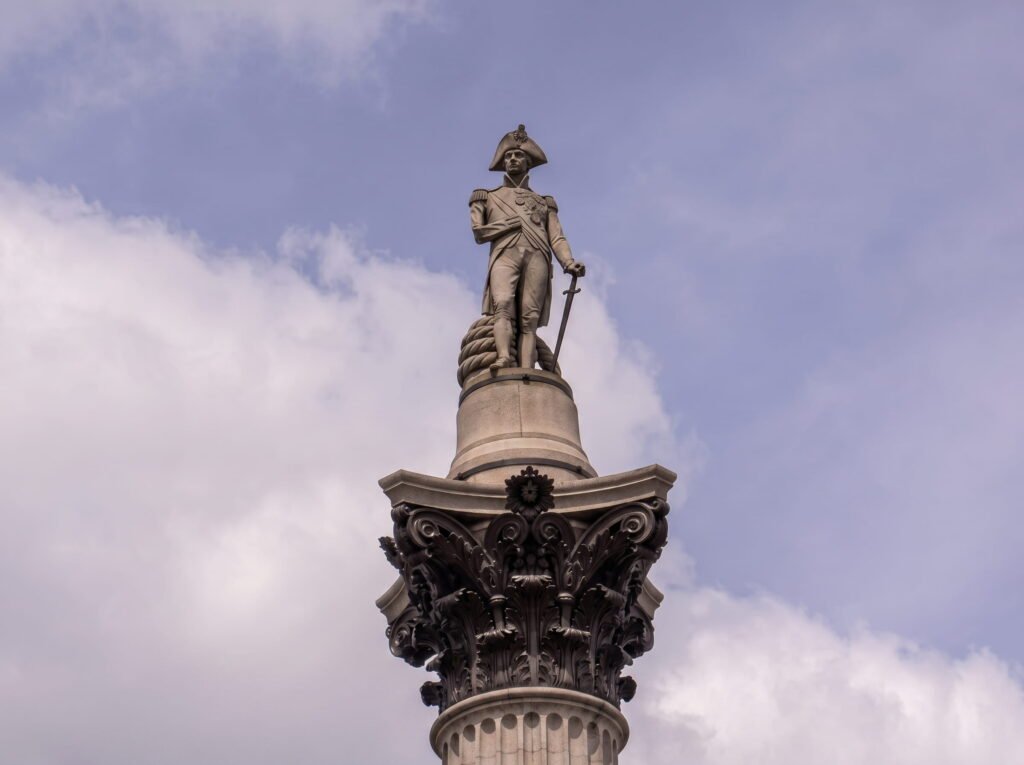
The square commemorates the Battle of Trafalgar in 1805 — the naval engagement in which Admiral Horatio Nelson defeated the combined French and Spanish fleets and died in the process. Nelson’s Column rises 169 feet from the center, four bronze lions at its base, the National Gallery running the full length of the northern edge. The square is free to be in and consistently one of the most animated public spaces in the city.

New Year’s Eve celebrations, Diwali, Pride, Chinese New Year, Eid — the major events of the London calendar pass through here. On a Tuesday afternoon in November it is still busy, still full of pigeons and tourists and people eating lunch on the steps.

Read: Cities of Puerto Rico

The Fourth Plinth at the northwest corner holds a rotating series of contemporary art commissions — a new work is installed every 18 months and each one generates its own conversation. Whatever is currently on the plinth is worth looking at, even briefly.

HMS Belfast and the River’s History

Moored permanently in the Thames between Tower Bridge and London Bridge, this is one of the more unexpectedly immersive things you can do in the city.

HMS Belfast is a Royal Navy cruiser launched in 1938 that saw significant action in World War II — the D-Day landings in June 1944, the sinking of the German battleship Scharnhorst in the Arctic, convoy escort duty across the North Atlantic. Decommissioned in the 1960s and opened as a museum in 1971, nine of its decks are now accessible to visitors. The gun turrets. The engine room. The mess decks. The operations room. The scale of what it took to crew and operate a ship like this becomes very clear when you are moving through the spaces where people actually worked and slept and ate and waited.

From the top deck you have one of the better views of Tower Bridge available from water level. Admission applies. Combined with a visit to Tower Bridge and the Tower of London — all within a few hundred meters of each other — this stretch of the South Bank is one of the most historically dense half-days in the city.

The London Underground

Getting around the city is itself worth paying attention to.

The London Underground is the oldest metro system in the world — opened in 1863 — and it now covers 270 stations across 400 kilometers of track. Not all of it is underground. The District Line along the Thames, the Overground across east London, the Elizabeth Line connecting Heathrow to the eastern suburbs — stretches of all of these run above ground and give you views the Tube maps do not hint at.

Read: Beaches in Seattle

The older central stations — Westminster, Baker Street, Gloucester Road — have a Victorian architecture in their tiles and signage that makes them worth looking at properly rather than rushing through.

Pay with an Oyster card or contactless bank card — tap in and tap out and the system calculates the cheapest fare automatically, applying daily price caps so you stop being charged after a certain number of journeys. The bus network uses the same payment method and covers ground the Tube does not. The flat bus fare of £1.75 makes cross-city bus travel genuinely useful, and sitting on the top deck of a double-decker crossing one of the main bridges is one of the best cheap things to do in London on a clear day.

What to Eat in London

The food here is not what its reputation once suggested, and the gap between that old reputation and the current reality is significant.

Start with a full English breakfast in a proper greasy spoon — sausages, back bacon, eggs any way, black pudding, baked beans, grilled tomato, mushrooms, and toast, served on a plate that requires both hands and costs around £7 to £10. I had one near Bermondsey on a cold morning that was as good a breakfast as I have eaten anywhere. Look for the cafes that have been there for decades, not the ones with clean interiors and twelve-word menu items.

Fish and chips from a proper chippy is the other non-negotiable. Deep-fried battered fish and thick chips, eaten from the paper with malt vinegar. The quality varies enough that a bad version and a good version of the same dish taste like different foods.

Borough Market is the best place in the city for quality — the range of cheeses, bread, prepared food, and fresh ingredients there is genuinely extraordinary. For something less expected: Brick Lane for Bangladeshi food, Kingsland Road in Shoreditch for Vietnamese, Southall in west London for the most authentic Indian food in the city.

And the pub — a proper London pub with a real ale on tap — is the institution that holds everything else together. Spending a few evenings in good London pubs is not a tourist activity. It is just how the city works.

Things to Do in London for Couples

London is more romantic than it looks on a tube map.

The South Bank walk at dusk from Tower Bridge to the London Eye — free, an hour, the city lit up on both sides of the river — is consistently one of the better evenings I have spent here and I have done it in different seasons and it is never the same twice. The Royal Opera House in Covent Garden runs world-class opera and ballet year-round and the tickets, while not cheap, are not uniformly expensive either — the amphitheatre seats give you an excellent view at a fraction of the stalls price.

Read: Beaches of El Salvador

A night river cruise on the Thames, watching the bridges light up as the city shifts from daylight to evening, is one of those things that sounds simple and turns out to be genuinely memorable.

For something more unusual: Dennis Severs’ House in Spitalfields — a Georgian townhouse frozen in different moments of the 18th and 19th centuries, candles burning, half-eaten meals on the tables, the impression of people who have just left the room — is one of the most quietly extraordinary experiences in the city and runs evening sessions that are particularly atmospheric. It is the kind of place you talk about afterward.

Christmas in London

I have been here in every month of the year. December is the one that makes me want to stay longer than I planned.

The city commits to Christmas in a way that feels earned rather than commercial. Hyde Park’s Winter Wonderland takes over 55 acres with a Christmas market, an ice rink, fairground rides, and a giant observation wheel — free to enter, paid activities inside.

Read: Things to do in Costa Rica

South Bank runs its Christmas market along the river from late November through December. Carnaby Street, Oxford Street, and Regent Street all install their annual light displays — different themes each year — and walking them after dark costs nothing and looks genuinely spectacular.

For things to do in London at Christmas specifically: the carol concerts in the city’s churches run through December and many are free. The TKTS booth in Leicester Square sells same-day West End theatre tickets at significant discounts. Skating rinks open at Somerset House, the Natural History Museum, and Hampton Court Palace. The whole city shifts into a gear that feels different from any other time of year.

That’s it. If you like the post. don’t forget to share with your friends and family. Thank a lot and good bye.

One Response

Leave a Reply

Your email address will not be published. Required fields are marked *

Related Posts